

When Moving Furniture Turns Costly
Many people do not notice the quiet danger that creeps in the moment a move begins, and that is where How Furniture Removal Can Damage your space becomes real. A calm day can shift fast when a tall shelf leans too far or a heavy sofa slips while you turn through a tight hall. One quick tilt or sharp corner hit can leave deep marks on your wall or floor that stay for years and change how your home looks each day.
Heavy furniture, tight halls, and improper lifting can cause far more damage than you expect. Scraped floors, torn paint, chipped trim, or cracked boards can happen quickly when you rush or lose your grip. These problems turn a simple task into long repairs, higher costs, and unnecessary stress. A smart diy furniture removal expert tip is to slow down, plan each move, and use proper tools to prevent these costly mistakes.
Scratched floors, dented walls, split corners, or cracked frames can turn a clean move into a costly fix job. One wrong shift can damage both the item and the home around it and leave marks you will see each day.
This guide shows how furniture damage forms and how property damage grows when moving furniture without care. It also gives you clear steps, smart tools, and safe tips to block harm and move with steady skill on your next task.
Common Causes of Furniture Damage
It is Not Just the Weight (It is the Way You Move)
Poor handling, sharp turns, and fast moves cause most furniture damage during a move. When you drag a shelf or tilt a sofa with no support, the weight shifts in ways you cannot see. This sudden shift makes edges scrape floors or bump walls. These moments cause moving heavy furniture to become a moving house risk quickly.
Rushing the task or skipping pads and wraps increases the risk of damage. A loose drawer, a sharp leg, or a rough base can scrape floors or hit walls when you move too quickly. Many people skip wrapping to save a few minutes, but this often leads to deep marks that take days to repair. Choosing professional residential junk removal can help prevent these problems with proper tools and careful handling.
Common Issues:
- Scratches on hardwood floors form when furniture legs drag without sliders. These lines cut deep into the wood and leave a trail that is hard to hide or fix.
- Chipped paint or plaster shows up when corners bump walls during tight turns. These marks spread fast and can crack the surface if the hit is strong.
- Broken corners or legs on furniture appear when weight is not shared or lifted well. A wrong move can twist the frame and cause breaks that may cost a lot to repair.
- Torn upholstery happens when chairs squeeze through narrow doors and rub against hard surfaces. The fabric can snag or stretch, leaving clear signs of stress.
How Furniture Removal Damages Your Property
Tiny Mistakes, Big Consequences
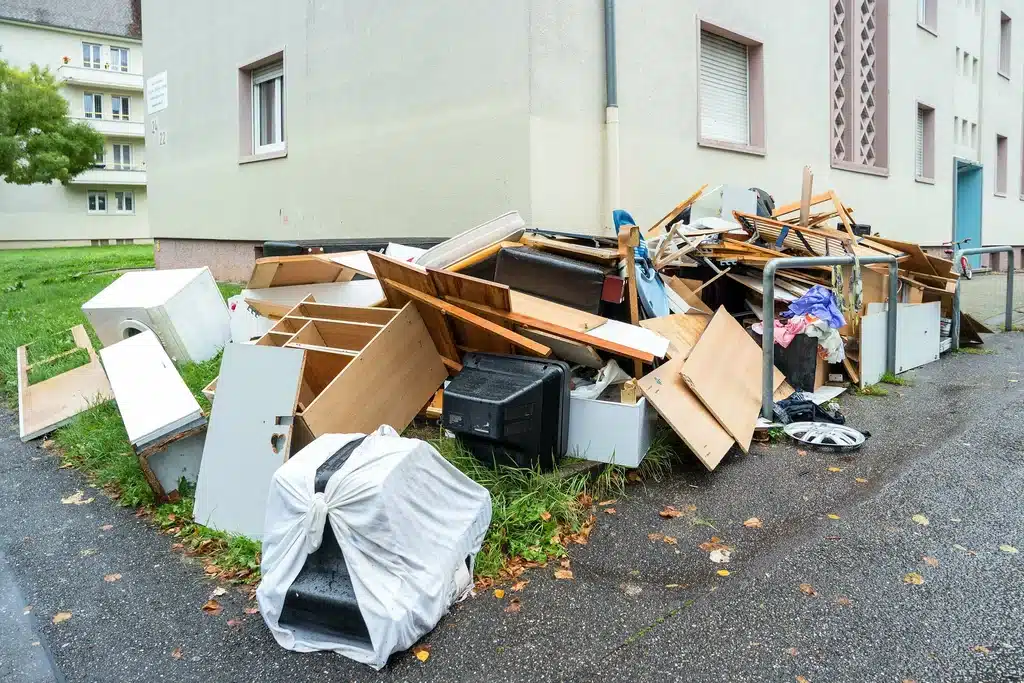
Dragging furniture across tile or hardwood may look easy, yet it shows clearly How Furniture Removal Can Damage floors and surfaces in ways that spread fast and grow worse with each new pass. Sharp legs and rough edges scrape the surface and leave long marks that sink deep into the floor, cutting through the finish and the grain. Once these lines form, they stay clear even after you clean or buff the area, and may need pro work to fix.
A quick turn in a tight hall can cause furniture to hit walls or corners, and these hits leave dents, cracks, or chipped paint that change how clean your home looks. Even a soft slip can cause harm when moving furniture without pads or guards, and these marks show up fast in bright light.
Carpet can tear or stain when heavy items drag across soft fibers. The weight pulls the threads, creates folds, leaves deep lines, or sets dark marks that are hard to lift even with strong, clean tools.
Door frames and stair rails take strong hits when wide items shift out of place or tilt too far. These impact points often show cracks, dents, or deep scuffs that spread with time and make each turn spot clear.
Tip: Use sliders, pads, and corner guards to cut down harm, slow sharp hits, and keep your floors and walls safe through each move.
The Hidden Risks of DIY Furniture Moving
When Doing It Yourself Costs More Than You Think
DIY tasks may look simple, yet they hold risks that grow fast once you start to lift or turn large items. With no pro tools or support, each move can strain your back or shoulders. A wrong step can shift weight to one side and cause the item to slip from your hands, and that slip can raise your furniture removal cost when damage occurs.
Risks:
- Back or shoulder injuries are common when you lift heavy goods without help. The weight pulls you down, and one sudden twist can make the pain last for days. This turns a short task into a long rest and lost time.
- Dropping furniture is another risk when you try to lift more than you can hold. A slip can crack tiles or dent walls. These moments create marks that cost a lot to fix.
- Cracked tiles, ripped walls, or damaged floors show up when you drag items or push them too hard. Many DIY movers see sharp scuffs on marble or wood due to rough moves. These marks stay clear and take professional work to repair.
Pro crews use strong tools, soft pads, and safe lift steps that keep harm low. Their skill and gear help you avoid DIY moving risks, build a safe furniture move, and cut harm when moving heavy furniture around your home.
How to Prevent Furniture Damage During Removal
Move Smart, Not Hard
Step 1: Plan the Path
Measure each door frame, hall, and stair to see what fits and what does not, and take notes so you know where tight turns or narrow gaps may slow your move. This step helps you map a clear route so large items do not twist or tilt in tight spots or scrape key edges. A planned path lowers the chance of wrong turns and helps you prevent furniture damage with calm, steady moves that keep both you and your space safe.
Move all small items or floor blocks out of the way before you lift anything to keep each zone clear and open. Clear space lets you move with ease and reduces slips, bumps, or rushed shifts that cause harm. This keeps each step smooth and safe and gives you more room to guide large items.
Step 2: Use the Right Equipment
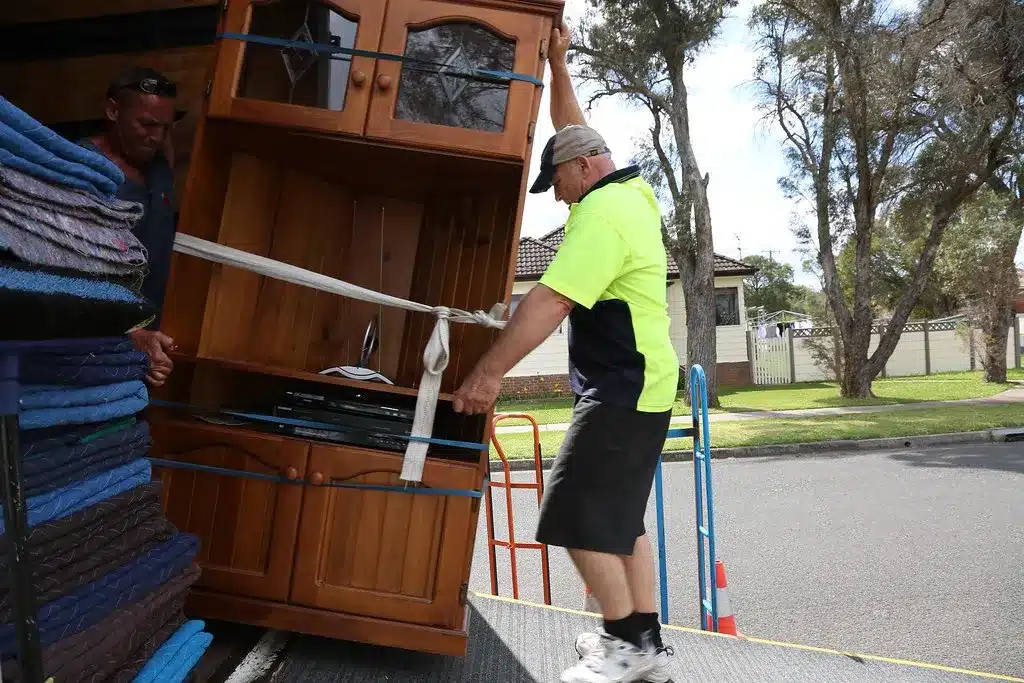
Use dollies, sliders, and soft blankets to guide each item without harsh hits or sudden drops. These tools keep weight steady and stop sharp edges from scraping floors or walls, and help you slow each turn with more control. They help you make a safe furniture move each time and save your strength.
Avoid dragging furniture across any floor, as this can cause deep marks that take a lot of work to repair. Drag marks can sink deep and change how your floor looks. Lift with care or use sliders when needed so each move stays smooth.
Step 3: Protect Your Property
Cover floors with mats, cloths, or thick cardboard sheets to stop scrape marks and shield your surface from sharp hits that often happen when large items shift without warning. These pads add a strong first layer of defense and help protect wood, tile, and carpet from dents, chips, and deep lines that stay visible long after the move, and this simple step also supports clean home waste removal by keeping dust and loose parts from spreading across the room.
Pad walls and rails with towels or soft guards to block harsh impact when items tilt or turn too close to the edge. This extra cushion defends spots that take more hits and keeps marks off narrow edges that show damage fast, especially in bright light.
Step 4: Wrap Furniture Properly
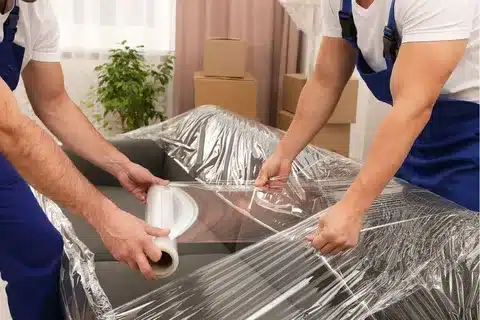
Use soft blankets, wrap film, or bubble sheets to guard each side of your item with full coverage, and make sure each layer sits tight so no edge stays bare during tough turns or long lifts. This wide shield helps stop dents, tears, worn spots, or torn parts during tight moves or fast lifts and keeps each surface clean, smooth, and well‑kept even when you pass through slim halls, sharp turns, or tight door frames that often cause slips. This careful step makes it much safer when you remove furniture from home, as each padded layer lowers the risk of sharp hits or harsh scrapes on both the item and the walls around it.
Secure loose drawers and glass panels so they do not slide, open, or fall at any point while you lift or shift the piece, and add soft pads on fragile sides to keep them firm. This small step helps each lift stay safe, steady, quiet, and free of sudden shakes that may cause sharp hits or cracks during tight moves.
Step 5: Lift Safely with Help
Team lifts help share weight and stop items from tipping, twisting, swinging, or slipping when the load shifts during tough turns, narrow steps, or low‑light areas. A slow, steady lift keeps your back safe and helps you guide each move with firm control, smooth balance, and clear sight, especially on stairs, sharp corners, or narrow paths.
Bend your knees, not your back, to avoid strain when moving heavy furniture, and keep your stance firm so each lift stays aligned, stable, and safe for both you and your space. Keep each lift smooth so the item stays aligned and stable.
Signs of Property Damage After Moving
Check Before It is Too Late
Look for wall scuffs, floor scratches, or dents in key corners right after you finish your move so you can spot signs of property damage early. Fresh marks are easier to clean or fix when they have not set into the paint, wood, or tile surface.
Inspect floors and carpets for deep drag lines, folds, or fiber pulls that form when heavy pieces slide without pads. These marks often hide under large items, so lift rugs or move light items to see the full area. Early checks help you see small issues before they grow.
Check door frames and baseboards for cracks or loose trim caused by sharp hits that happen during tight turns. These spots take a strong impact, so they show wear first. Fixing them early keeps the area clean and stable.
Note any broken switch plates or bent outlet covers near high-traffic zones. These break easily when furniture shifts too close. Addressing these issues fast helps reduce long-term harm and protects both your home and your items from added furniture damage.
These break easily when furniture shifts too close, especially when sharp edges or firm corners press against them during a quick turn or sudden slip. Even light pressure can crack the plate or bend the cover, and the damage may spread if left unfixed.
Addressing these issues fast helps reduce long‑term harm and protects both your home and your items from added furniture damage, since early fixes stop loose parts from pulling wires, adding stress, or creating new marks as you move more items through the same space.
Repair and Recovery Tips
Fix It Before It Gets Worse
Patch and repaint wall dents as soon as you spot them, so the marks do not spread across the surface. Early fixes help keep paint smooth and prevent small cracks from turning into wide gaps that cost more to repair.
Use filler for minor floor scratches and sand the spot with care before applying a light coat of polish. These quick steps can hide small lines and stop them from growing into long marks that draw more attention.
Call a pro for deep scuffs on hardwood, tile, or stone since these need strong tools and skill to restore the shine and smooth texture. A clean, even finish makes your space look fresh again and keeps long‑term wear under control.
Clean upholstery fast to lift stains or marks from rough moves, and use soft cloths with mild soap to avoid harming the fabric. Quick action helps remove fresh dirt before it sets.
DIY repair kits work well for small dents, loose trim, or light scrapes, but for big or clear marks, hire a specialist who can restore the look with pro‑grade tools. This step helps stop property damage from getting worse and lets you prevent furniture damage on your next move.
Smart Tips for Future Moves
Protect Your Home Before the Next Move
Always plan your move in stages so each step stays calm, clear, and steady. This slow and smart pace lowers stress, cuts down slip risks, and keeps both your home and your items safe from harm during tight turns or narrow paths.
Invest in strong packing tools, sturdy wraps, and safe lift gear that hold weight well and reduce strain during long or complex moves. Quality tools support each lift, ease pressure on your body, and help stop marks that often form when items shift without guidance.
Label all fragile furniture so you know what needs soft pads, slow turns, or extra hands. These labels help guide safe moves and prevent sudden hits that form deep marks or sharp dents.
Rent moving pads, corner covers, and door shields for large items so you can guard walls, rails, and floors from harsh contact. These pads add a strong layer of defense and help stop moving house risk before it forms.
Store disassembled parts with care, wrap each piece fully, and keep screws in small bags so nothing gets lost or damaged during the move. Smart storage keeps items firm and safe.
A bit of planning goes a long way. Good prep and careful steps help ensure a safe furniture move and protect both your home and your items from harm.
Conclusion
Protect Your Home from Hidden Moving Damage
Plan each move with care so you can avoid the silent harm that builds up from small slips, sharp bumps, or tight turns. When you take time to guide each step with calm focus, you keep both your home and your items secure from cracks, dents, or marks that cost more to fix later.
Preventing furniture damage is always easier than repairing it once the move is finished. With the right pads, wraps, sliders, and safe lifting techniques, you can protect floors, walls, and frames from deep marks and harsh scrapes that change the look of your home. Simple prep and smart tools reduce risk and keep your space clean, especially when you rely on the careful handling offered by Explicit Junk Service.
Always use soft pads, steady lifts, and strong gear to prevent furniture damage and keep your home safe from harm. A planned path, good grip, and safe gear help you move with less stress and more control.
“Before your next move, follow these tips to prevent costly damage your home and furniture will thank you.”
FAQs
The most common cause of furniture damage is dragging heavy items without using sliders or pads. When weight shifts fast, sharp legs scrape floors and corners hit walls with more force than expected. Many people rush the move, skip wraps, or lift without help, which increases the chance of harm. Planning the path and using soft gear keep each step safe.
Yes, it can, especially when heavy items slide across tile, wood, or stone. Even a small drag can leave deep marks or scratches that stay long after you clean the floor. Tiles may chip or crack when hard edges hit them during tight turns. Using sliders, wraps, and lift tools helps lower the risk and prevents long-term property damage.
Move slow, plan the path, and use sliders so your items glide without harsh pressure. Wrap sharp corners, use pads on walls, and cover floors before you lift anything. Keep your stance firm, bend your knees, and lift with care. Never rush, and take breaks when you feel strain. These steps help you avoid both furniture damage and property damage.
Look at corners, walls, door frames, and baseboards first, as these get hit most during a move. Check floors for drag marks or dents and carpets for folds or tears. Make sure outlets, plates, and rails are not cracked or loose. Early checks let you fix small issues fast and keep your home in strong shape.