
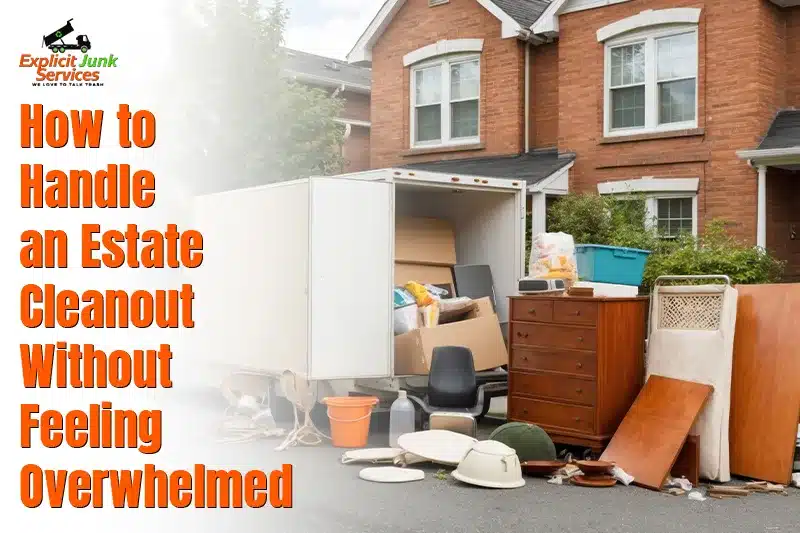
Clearing an inherited home can feel like a huge task. Rooms may hold furniture, papers, photos, and years of personal belongings. If you are learning how to handle an estate cleanout, rushing can lead to lost documents, family disputes, or missed valuables.
A better approach is to work in clear stages. Start by securing important items and reviewing the property. Then sort belongings for family, sale, donation, recycling, or removal. This guide explains each stage and shows how to prepare the property after the cleanout.
What Makes an Estate Cleanout So Overwhelming
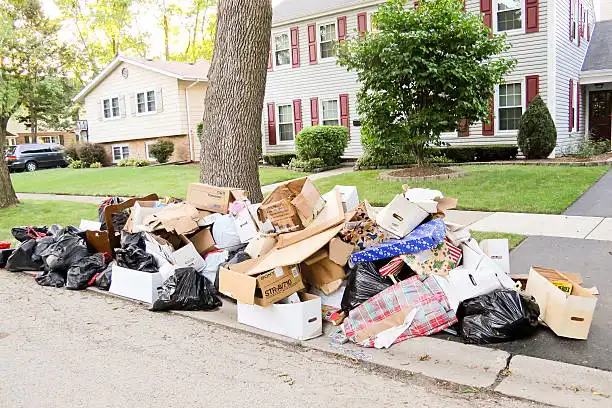
An estate cleanout involves more than removing unwanted items. You may need to review legal papers, family heirlooms, furniture, photos, and valuable objects. Each item can require a different decision. For larger properties or business-related spaces, a commercial property cleanout may involve additional planning, sorting, and removal requirements.
The handle on an estate cleanout process can also become harder when several relatives are involved. Setting clear rules can reduce conflict. Breaking an inherited home cleanout into smaller tasks also makes the work easier to manage.
Key Insights for Handling an Estate With Less Stress
- Protect important items first: Secure documents, jewelry, photos, and family heirlooms before general sorting begins.
- Create clear categories: Separate items for keeping, selling, donating, recycling, and disposal.
- Give family members clear rules: Agree on who can select personal belongings and when choices must be made.
- Check valuable items: Research antiques, collectibles, artwork, and jewelry before giving them away.
- Plan removal early: Book donation pickups and junk removal before the property becomes crowded.
- Use an undecided area: Keep difficult items in one place until a final decision is made.
- Allow extra time: Unexpected documents, valuables, or hidden storage areas can extend the estate cleanout process.
How to Assess the Property Before Removing Anything
Start with a complete walk-through of the property. Check bedrooms, closets, cabinets, the attic, basement, garage, shed, and outdoor areas. Make notes about large furniture, appliances, boxes, and areas that may need special attention. For homes with ordinary household belongings, residential junk removal can help handle bulky furniture, appliances, and unwanted items that are difficult to move independently.
Take photos of rooms before moving items. This gives you a simple record of the property’s starting condition. It also helps when discussing the project with family members or requesting estimates for estate cleanup services.
How to Protect Important Documents and Heirlooms
Important papers should be separated before ordinary sorting begins. Look for wills, deeds, insurance records, bank documents, tax records, property papers, and other legal documents. Keep them in a secure place during the cleanout.
Family photos, jewelry, artwork, collectibles, and heirlooms also need special care. Create a separate area for these belongings. Digital records and account details should also be handled with care and kept secure.

Practical Methods for Handling Estate Belongings
There is no single way to handle every item in an estate. A useful plan gives each belonging a clear destination. This reduces repeated sorting and helps the cleanout move forward. When multiple rooms or properties require coordinated removal, commercial junk removal can be considered for larger-scale hauling needs.
Method One: Keep and Distribute Family Belongings
Start by asking family members which personal belongings they want. Set simple rules so everyone gets a fair chance to choose. Photos, keepsakes, furniture, and heirlooms may have strong emotional value.
Method Two: Sell Items With Real Market Value
Some belongings may have meaningful resale value. Furniture, antiques, jewelry, artwork, tools, and collectibles may be worth researching before removal. An estate sale, auction, consignment service, or private sale may fit different items.
Method Three: Donate Usable Items Responsibly
Clean and useful belongings may be donated to charities or local donation centers. Always check what the organization accepts before arranging a drop-off. This can give unwanted items another useful purpose.
Method Four: Recycle Materials That Can Be Reused
Some materials can be separated for recycling. Electronics, metals, cardboard, and certain appliances may have recycling options. Check local rules and provider requirements before sending these items for processing.
Method Five: Remove Remaining Junk Professionally
Damaged furniture, bulky items, and large amounts of household junk can be difficult to handle alone. Professional junk removal can save time and reduce the physical work involved in clearing the property.
How to Decide What Belongs in Each Category
- Keep: Items you or your family want to retain.
- Family distribution: Belongings selected by relatives.
- Sell: Items with reasonable resale potential.
- Donate: Clean and useful items accepted by charities.
- Recycle: Materials accepted by local recycling programs.
- Dispose: Broken or unusable items without practical reuse options.
- Undecided: Items needing more discussion or research.
When Should You Start Selling Estate Items First
Selling should usually begin before general disposal. Once valuable items leave the property, recovering them may not be possible. Look carefully at antiques, jewelry, artwork, collectibles, tools, and quality furniture.
Not every item needs an appraisal or estate sale. If an item appears valuable or unusual, getting a specialist opinion may help. Low-value items may not justify the time and effort required for individual sales.
How to Organize Family Decisions During the Cleanout

Family decisions can become difficult when several people want the same belongings. Agree on selection rules before sorting begins. Give everyone a clear deadline and use labels or shared lists to track choices.
Photos can also help relatives who cannot visit the property. Create an undecided category for items that need more discussion. This prevents rushed decisions and gives family members time to consider sentimental belongings.
A Step-by-Step Estate Cleanout Process That Works
A clear order can make an estate cleanout much easier. Start with important belongings and finish with general property cleanup. Estate cleanouts can involve sorting, distributing, selling, donating, recycling, and removing remaining items, so working through each stage systematically helps prevent unnecessary delays.
Begin With Sorting and Protecting Priority Items
Secure legal documents, valuables, family heirlooms, photos, and important personal belongings first. Place them in a safe area where they will not be mixed with general household items.
Move Items Into Their Chosen Destinations
Send sold items to buyers, donations to approved centers, and recyclable materials to suitable programs. Family belongings can be distributed according to the agreed plan. Keep disposal items separate until removal.
Finish Removal Before Starting Final Cleanup
Complete major furniture and junk removal before deep cleaning begins. Once the property is empty, inspect floors, walls, closets, cabinets, garages, attics, and outdoor areas before starting the final cleanup.
Should You Donate, Sell or Remove Unwanted Furniture
Furniture in good condition may be worth selling if there is local demand. Quality pieces can also work well for an estate sale or consignment service. However, selling every inexpensive item can consume valuable time.
Donation may be better for clean furniture that has limited resale value. Damaged, stained, broken, or unwanted pieces may need removal. Consider condition, demand, transportation, and the time available before deciding.
How Long Does a Complete Estate Cleanout Take
The timeline depends on the size of the property and the amount of personal belongings. A small home with limited contents may take much less time than a large property with years of accumulated items.
Selling decisions can also extend the estate cleanout process. Donation schedules, family availability, disposal volume, and property deadlines matter too. Allow extra time for hidden storage areas and unexpected discoveries.
How to Know When Professional Help Is Needed
Professional help can make sense when the property contains large amounts of furniture or heavy items. It can also help when heirs live far away, or the property must be cleared within a short deadline. In situations involving severe clutter or long-term accumulation, hoarder cleanouts may require additional planning, careful sorting, and specialized removal support.
Different professionals handle different needs. Organizers can help with sorting. Estate liquidators can manage sales. Junk removal companies can handle unwanted items. Estate cleanup services may help prepare the property after removal.
Common Mistakes That Make Estate Cleanouts Harder
- Throwing away documents too early: Important records may be mixed with ordinary papers.
- Discarding valuable belongings: Antiques and collectibles may need research first.
- Starting without family rules: Unclear decisions can create disagreements.
- Trying to sell everything: Low-value items may take more time than they are worth.
- Ignoring storage areas: Garages, attics, sheds, and closets often contain forgotten belongings.
- Removing heavy items alone: Large furniture can create safety risks.
- Forgetting donation schedules: Delays can leave the property crowded longer.
- Waiting until the last minute: Tight deadlines can increase stress and disposal costs.
How to Prepare the Property After the Cleanout
Once the belongings are gone, inspect the entire property again. Clean floors, walls, windows, cabinets, closets, and other surfaces. Look for odors, minor damage, or areas that need repair.
The next steps depend on the property’s purpose. A home being sold may need deeper cleaning and small repairs. A rental may need a different level of preparation. Finish with a full walkthrough of indoor and outdoor areas.
Final Thoughts on Handling an Estate Cleanout
Knowing how to handle an estate cleanout starts with making thoughtful decisions instead of rushing to empty the property. Protect important documents, valuables, family heirlooms, and personal belongings before sorting everything else. Explicit Junk Services can help make the cleanout process more organized and manageable.
From there, separate items for family, sale, donation, recycling, and disposal. Professional help can reduce the physical workload when the property is large or the deadline is tight. If you need help with property cleanup or junk removal, consider requesting a quote or scheduling an estate cleanup service.
Frequently Asked Questions About Estate Cleanouts
Handling an estate cleanout can involve many practical and emotional decisions. These questions cover sorting, timing, selling, furniture, and professional help. Use them to plan your inherited home cleanout with greater confidence.
Start by securing legal documents, valuables, family heirlooms, and important personal belongings. Then assess every room before beginning general item sorting.
Consider sentimental value, usefulness, family interest, and future needs. Create separate categories for keeping, selling, donating, recycling, disposing, and undecided belongings.
The timeline depends on property size, item volume, family decisions, selling needs, and removal requirements. A large estate may take several weeks to complete.
Selling works best for items with meaningful market value. Donating may be easier for clean, usable items with limited resale value and little demand.
Try selling or donating usable furniture first. Damaged or unwanted pieces can usually be handled through a suitable junk removal service.