
Old furniture can take up space fast. Yet many people are unsure what to do next. If you wonder how to dispose of old furniture, you have several choices. You can donate it, sell it, recycle it, or arrange pickup. The right choice depends on its state, size, and your time. Local rules can also affect your options.
Simply leaving furniture outside may not be allowed. Taking it to a dump may also take more work. Start by checking the item before choosing a method. Look at its size, its state, and its parts. Then think about how much work you can manage. This makes furniture disposal safer and much easier to plan.
Start by checking the furniture condition and size

Before you choose a disposal method, check the furniture first. A clean sofa may still have use for another home. A worn table may need repair before you discard it. Size also matters when you plan old furniture removal. Large items need more room during transport. They may also need extra help during pickup.
Look for stains, cracks, pests, and signs of water damage. Check if the frame still feels safe and firm. Then measure the item from end to end. Include its height and width as well. These details can help you plan transport. They also help you sort reusable furniture from items that need disposal.
Check Whether the Furniture Can Still Be Used
Start with a close look at the item’s main parts. Check the frame, cushions, drawers, doors, and other moving parts. Minor wear does not always mean the item is waste. A clean item with small marks may still help someone else. This can make furniture disposal less wasteful and more useful.
Think about whether you would give the item to someone. If yes, then it may still have value. Clean dust and small marks before making that choice. Be honest about any faults or damage. Clear details help others judge the item. They also make reusable furniture easier to pass on.
Measure the Item Before Choosing a Removal Method
Measure sofas, beds, tables, wardrobes, and other large pieces. Note their height, width, and depth before moving them. Then check the doors and halls along the planned route. Stairs can also affect how an item leaves your home. Good measurements can make old furniture removal much easier.
Think about the truck or vehicle you plan to use. A large wardrobe may need more room than expected. A wide sofa may not fit through some doors. Measure lifts if you live in a tall building. These checks can prevent delays during large furniture disposal and pickup.
Separate Reusable Items From True Junk
Make simple groups before you move anything. Use groups for keeping, donating, selling, recycling, and disposing. This helps you see what should happen next. It also keeps useful furniture away from true waste. You may find that some items need furniture donation instead of disposal.
Try not to send every unwanted item to waste. A spare table may help a neighbor or local group. A sound chair may also be worth giving away. Keep damaged items in a separate group. This makes the next step much clearer and supports better unwanted furniture disposal.
Look for Damage That Changes Disposal Choices
Some damage can change where furniture can go. Water damage can weaken wood and other parts. Pest signs may also make donation unsafe. Heavy mold can create added health concerns. Broken frames may make an item unsafe to move. These issues can affect damaged furniture acceptance.
Check for loose parts, sharp edges, and unstable frames. Take note of anything that may break during transport. Some groups may refuse items with serious damage. Recyclers may also have limits on certain materials. Ask before moving the item. This can prevent wasted trips during furniture disposal.
Choose the Best Way to Dispose of Old Furniture
The best method depends on the item’s state and size. Good furniture may suit donation or resale. Useful items can also go to friends or local groups. Some materials may suit recycling. Large loads may need a removal crew. When deciding how to get rid of old furniture, think about time, effort, and transport.
A single chair needs a different plan than a full room. A large cleanout may also need more than one pickup. Think about your deadline and access to the item. Then check local rules for each option. This simple check can make furniture recycling or donation much easier to arrange.
- Good condition: Consider donation or resale.
- Useful but unwanted: Give it away or sell it.
- Repairable: Repair or reuse it first.
- Recyclable material: Check local recycling options.
- Heavy or multiple items: Consider professional removal.
- Unusable furniture: Check local disposal facilities.
Prepare Furniture Before Donation or Recycling
Basic prep can make pickup or drop-off easier. Start by cleaning the item and checking its parts. Remove loose items from drawers and shelves. Take photos if you plan to donate or sell it. Good prep can support furniture donation and make the next step simpler.
Do not assume every group accepts every type of furniture. Some may have size or condition limits. Recycling sites may also accept only certain materials. Call before loading the item into your vehicle. This can save time and avoid a wasted trip. It also helps with furniture recycling plans.
Clean and Inspect the Furniture Before Pickup
Give the furniture a basic clean before pickup. Remove dust, dirt, food marks, and loose debris. Check for pests, strong smells, and visible damage. Look inside drawers and under cushions too. These checks can help during furniture donation and resale. They also show the true state of the item.
Do not try to hide damage with quick fixes. Share any major issue before a pickup. A charity may need to refuse unsafe furniture. A buyer may also need clear details. Honest prep makes the process easier for everyone. It also supports safer furniture removal from your home.
Remove Loose Items and Prepare Small Components
Empty every drawer, shelf, cabinet, and storage area. Check under cushions and inside hidden spaces. Keep small parts with the main item when useful. Screws and fittings can help if the item needs to be rebuilt. This can make furniture recycling and reuse more useful.
Place small parts in a bag and label it. Keep the bag with the main furniture piece. Do not leave loose glass or sharp parts inside. Check the item again before pickup. This simple step can reduce lost parts. It can also make furniture donation easier for the next owner.
Disassemble Only When It Makes Removal Easier
Some furniture is easier to move after basic removal. Bed frames, tables, and shelves may have parts that come apart. Follow the maker’s guide when one is available. Keep all useful fittings together. This can help with old furniture removal in tight homes.
Do not force parts that will not come apart. Avoid cutting frames unless there is a clear reason. Sharp edges can make moving much less safe. Stop if the work feels risky or unclear. Ask for help when needed. Safe prep matters during furniture removal services.
Confirm Acceptance Rules Before Transport
Call the group or site before you move the furniture. Ask about its size, condition, and main materials. Check if they accept the item at all. Also ask if pickup is offered in your area. These details can vary between furniture donation centers.
Recycling sites may have their own rules as well. Some take wood, metal, or glass only. Others may not accept whole furniture pieces. Ask about drop-off times and size limits. This can help you avoid an extra trip. It also makes furniture recycling easier to plan.
Know Which Furniture Donation Items May Be Refused
Donation can be a good route for furniture that still works. Yet each group can set its own acceptance rules. Some may refuse items with serious damage or heavy stains. Others may have limits based on current needs. Always check first with local furniture donation centers.
Furniture with pest signs may also be refused. Strong smells and mold can create added concerns. Missing key parts may make an item hard to use. Unsafe frames can also lead to refusal. Check the rules before arranging furniture donation pickup for any large item.
Common reasons for refusal can include:
- Serious structural damage
- Heavy staining or strong odors
- Pest infestation
- Water or mold damage
- Missing key parts
- Unsafe or broken parts
- Items outside current needs
Use Local Pickup and Curbside Collection With Care
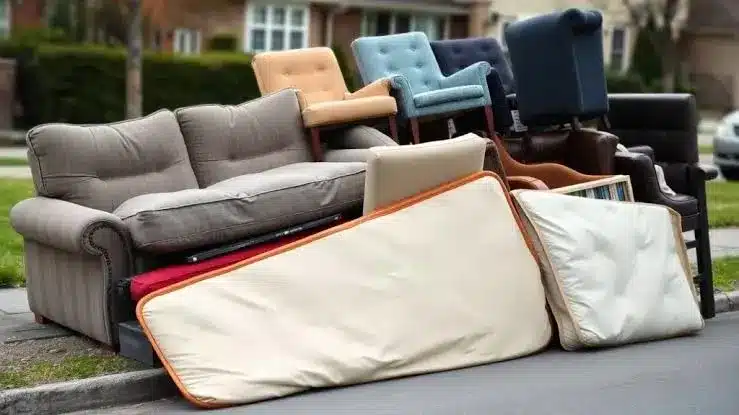
Curbside pickup can help when local waste rules allow it. Some areas offer set dates for bulky item pickup. Others may need a request before collection. There may also be size or item limits. Check the rules before placing furniture outside. This helps with curbside furniture pickup and prevents avoidable issues.
Do not assume a regular trash day covers large furniture. Your area may use a separate service for bulky items. Some services may charge a fee as well. Seasonal pickup may also be available in some places. Check local disposal regulations before moving large items to the curb.
Handle Large and Heavy Furniture Without Risk
Large furniture can be hard to move without help. Sofas, wardrobes, desks, and cabinets can be awkward to grip. Stairs can add more risk during a move. Tight doors can also damage walls and frames. Think about safety before planning large furniture disposal on your own.
Clear the path before moving any large item. Protect floors and door frames where needed. Ask another person to help with heavy pieces. Stop if the item feels unstable or hard to control. Professional furniture hauling may make more sense when the risk is high.
- Clear the walking route.
- Protect floors and door frames.
- Use safe lifting methods.
- Ask for help with heavy items.
- Do not move unstable furniture alone.
- Keep children and pets away.
Make the Furniture Easier to Move Through the Home
Start by checking every part of the planned route. Measure narrow hall doors, stairs, lifts, and outdoor exits. Remove cushions, drawers, shelves, and other loose parts when safe. This can reduce weight and improve grip. Good prep can make furniture hauling easier and safer.
Check the route before you begin moving. Look for sharp turns and low ceilings. Make sure doors can open wide enough. Protect areas that may get scratched. If the path is too tight, then stop. A furniture removal service may have better tools and help.
Protect Floors, Walls, and Door Frames During Removal
Furniture can leave marks when it moves through tight areas. Wood floors can scratch under heavy pieces. Walls can also get dents from wide furniture. Door frames may suffer damage during sharp turns. Take simple steps before starting old furniture removal.
Use basic covers on floors when needed. Keep the path clear of small objects. Lift when possible instead of dragging heavy pieces. Move slowly around corners and doorways. Ask for help with wide items. These steps can reduce damage during furniture hauling.
Decide When DIY Moving Becomes Unsafe
DIY moving can work for small and light items. It becomes harder when furniture is heavy or unstable. Stairs can also raise the risk of falls. Poor grip can make control harder. These signs can mean large furniture disposal needs more help.
Do not focus only on saving money. A small mistake can damage your home or cause injury. Ask for help when the item feels too heavy. Consider a removal crew for difficult pieces. This can make furniture removal services a safer choice.
Prepare a Safe Outdoor Handoff Area
A clear handoff area can make pickup much easier. Remove car boxes, plants, and other objects from the route. Keep the area dry when possible. Protect furniture from rain if the pickup needs to wait. These steps support smoother curbside furniture pickup.
Make sure the crew can reach the item safely. Keep children and pets away from the work area. Do not block public paths without permission. Check local rules before leaving furniture outside. Good planning helps with large furniture disposal and pickup.
Find Useful Ways to Sell or Give Furniture Away
Furniture that still works may have value to someone else. You can list it online or share it locally. Friends, neighbors, and community groups may also want it. Clear photos can help people understand the item’s state. This can reduce the need for junk furniture removal.
Give honest details about size, age, and damage. State if the buyer must collect the item. You can also offer it for free. Free pickup may reduce the work you need to do. Always use care when meeting strangers. This makes unwanted furniture disposal safer and simpler.
Recycle Furniture by Separating Its Main Materials
Furniture recycling depends on what the item contains. Wood, metal, plastic, and glass may follow different routes. Mixed furniture can be harder to recycle as one piece. Some sites may ask you to separate parts first. Check local furniture recycling options before taking anything there.
Look at the main materials before choosing a site. A wood table may have a clear recycling route. A sofa can include fabric, foam, wood, and metal. Some damaged items may have fewer options. Ask the site what it accepts. This helps make eco-friendly disposal more realistic.
Identify the Materials Used in the Furniture
Look at the frame and outer surfaces first. Check if they use wood, metal, plastic, or glass. Many pieces contain more than one material. A chair may have wood legs and fabric covers. This mix can affect furniture recycling choices.
Do not assume one recycling route fits the whole item. Some sites may take only certain parts. Others may accept the full piece. Ask before you take it apart. This saves work and helps you find useful furniture recycling options.
Separate Materials When the Facility Requires It
Some recycling sites may ask for parts to be sorted. This can include metal, wood, plastic, or glass. Only take items apart when the work is safe. Keep sharp parts away from loose waste. This can support safer furniture recycling at the right site.
Do not force parts apart with unsafe tools. Stop if the frame becomes unstable. Keep screws and small parts in a safe place. Ask the facility about its rules first. This can prevent wasted work and support better furniture disposal.
Find a Facility That Accepts the Specific Item
Not every recycling site takes whole furniture pieces. Some focus on certain materials or item types. Others may have limits on size or weight. Call before you load the furniture into your vehicle. This is useful when seeking local disposal facilities.
Ask what materials they accept and how items must arrive. Check if drop-off times apply. Some sites may need items taken apart first. Others may refuse mixed materials. These simple checks make furniture recycling options easier to compare.
Choose Recycling When It Clearly Beats Disposal
Recycling can be useful when the material has a clear route. Yet transport and labor still need thought. A long drive for one small item may not make sense. A nearby site may offer a simpler choice. Consider the full plan for eco-friendly disposal.
Look at the item’s size, condition, and material mix. Then check nearby sites and their rules. If the process is safe and practical, recycling may fit. If not, consider another suitable route. The goal is responsible furniture recycling without added waste or risk.
Compare Furniture Disposal Methods for Your Needs
Different furniture pieces call for different disposal plans. A useful sofa may suit donation or resale. A broken mixed piece may need recycling or removal. Curbside pickup can help with accepted bulky items. Landfill use may be needed when no other route works. Compare each option before choosing furniture disposal.
Think about condition, effort, transport time, and local rules. A full-service crew can handle lifting and loading. A curbside service may require you to move the item. Recycling may need extra sorting. These details matter when comparing furniture removal services and other routes.
| Method | Best For | Main Effort | Cost Level | Eco Value |
| Donation | Usable furniture | Low to medium | Low | High |
| Selling | Valuable furniture | Medium | Low | High |
| Giving Away | Usable unwanted items | Low to medium | Low | High |
| Recycling | Suitable materials | Medium | Low to medium | High |
| Curbside Pickup | Accepted bulky items | Low | Low to medium | Varies |
| Junk Removal | Heavy or many items | Low | Medium to high | Varies |
| Landfill | Items with no better route | Medium | Medium | Low |
Use a Junk Removal Service for Difficult Furniture
Professional removal can help when furniture is heavy or hard to move. It can also help when several items need removal at once. Full-service crews may handle lifting, loading, and hauling. This differs from curbside service, where you may need to move items yourself. Compare furniture removal services before booking.
Ask what the company accepts and how it sets prices. Check if labor and hauling are included. Ask about recycling, donation, and disposal too. You should also ask about stairs and indoor pickup. Clear answers can help you choose furniture hauling with fewer surprises.
Check What the Removal Company Will Accept
Every removal company can set its own item rules. Some may take sofas, beds, tables, and cabinets. Others may have limits on certain damaged items. Mattresses may also have separate rules. Ask before booking junk furniture removal for any unusual item.
Tell the company what you need removed. Mention heavy pieces and large items before pickup. Share details about stairs or tight access too. This helps the crew plan the job. It also reduces problems during furniture removal services.
Ask How the Service Charges for Furniture Removal
Ask how the company sets its removal price. Some services may use load size or volume. Others may use item rates or minimum charges. Extra fees may apply in some cases. Clear details can help you compare furniture removal services.
Ask if labor, hauling, and disposal are included. Check if stairs or indoor pickup change the price. Ask about extra items added on pickup day. These questions can help you understand the full service. They also make furniture hauling easier to plan.
Compare Full Service and Curbside Removal
Full service means the crew handles more of the physical work. They may move furniture from inside your home. Curbside service can require you to move items outside first. This difference matters when planning furniture removal services.
Think about your furniture size and home layout. A small chair may be easy to move yourself. A large sofa on stairs may be much harder. Choose the option that fits your needs and limits. This can make junk furniture removal less stressful.
Confirm Where the Furniture Goes After Pickup
Ask what happens after the furniture leaves your home. Some items may go to reuse or donation. Some may go to recycling. Other pieces may need regular disposal. The answer can help you choose a furniture removal service that fits your goals.
Ask if the company sorts usable furniture first. Check if recycling is part of its normal process. Also ask about items that cannot be reused. Clear answers can help you understand the full path. This supports more informed furniture disposal choices.
Consider Landfills Only When Other Options Fail
Some furniture cannot be reused or recycled. In those cases, a local disposal site may be needed. Before you travel, check its rules and hours. Ask if it accepts your item type. Also check any size or load limits. This can make local disposal facilities easier to use.
Think about the transport needed for the trip. A large sofa may need a suitable vehicle. Some sites may charge based on the load. Others may have rules for certain materials. Check before leaving home. This helps you plan unwanted furniture disposal with fewer delays.
Avoid Common Furniture Disposal Mistakes and Fines
Furniture disposal rules can differ by local area. A method allowed in one place may not work elsewhere. Always check local rules before leaving furniture outside. The same applies to drop-off sites and dumpsters. This can help prevent problems with disposal regulations.
Avoid these common mistakes:
- Leaving furniture outside without arranging pickup
- Assuming every charity accepts every furniture type
- Taking furniture to a site without checking first
- Ignoring size or weight limits
- Moving heavy furniture without enough help
- Using a dumpster without checking its rules
- Failing to ask about added removal charges
- Sending usable furniture to waste too soon
Make Your Furniture Disposal More Eco-Friendly
Reuse can give suitable furniture a longer life. Donation can help when an item remains safe and useful. Repair may also make some pieces useful again. Recycling can help when local sites accept the right materials. These choices can support eco-friendly furniture disposal without adding extra steps that make no sense.
Start with the condition of the furniture. Then look at its material and size. Check local options before making a choice. A nearby reuse group may fit one item. A recycling site may fit another. This simple approach can support furniture recycling and better reuse.
Estimate the Time and Effort Before You Choose
Disposal can take more time than expected. One sofa may need a quick handoff. A full room can involve many items and more trips. Access can also change the work. Think about stairs, doors, and vehicle space before planning old furniture removal.
Compare the effort of each option. Donations may need cleaning and pickup checks. Recycling may need sorting and transport. Selling can take time for photos and messages. A removal crew can reduce the lifting work. Consider the full process when choosing furniture hauling.
Plan a Simple Old Furniture Removal Day at Home
A clear plan can make removal day much easier. Start by choosing the right disposal method. Then prepare the furniture and clear the route. Confirm pickup details before the crew arrives. This helps reduce delays during old furniture removal.
Keep small parts with the right furniture piece. Check doors, halls, stairs, and pickup areas. Keep children and pets away from the work zone. After removal, inspect the space for loose waste. These steps can make curbside furniture pickup much smoother.
Choose the Disposal Method and Book It Early
Decide if the furniture will be sold, donated, recycled, or removed. Check the rules for your chosen method. Book pickup when timing matters. Tell the service how many items you have. Share size details when needed. This makes old furniture removal easier to plan.
Prepare the Furniture and Clear the Access Route
Empty drawers, cabinets, and shelves before pickup. Clean the item when required. Remove loose parts only when safe. Clear hall doors, stairs, and outdoor paths. Check for tight turns along the route. These steps can make furniture hauling safer and faster.
Confirm Rules, Fees, and Collection Details
Recheck the pickup time before the scheduled day. Confirm the accepted items and access needs. Ask about any added fees that may apply. Keep the booking details where you can find them. This can prevent issues with curbside furniture pickup.
Check the Space After the Furniture Leaves
Look around the area once the furniture is gone. Check for loose parts or small waste. Look at floors, walls, and door frames for damage. Clean the space before you finish. A final check helps close out the old furniture removal job.
Final Thoughts on How to Dispose of Old Furniture
Knowing how to dispose of old furniture starts with checking the item. Look at its condition, size, material, and access needs. Then compare donation, resale, recycling, pickup, and other local choices. Reusable furniture may deserve another home. Explicit Junk Services can help you consider suitable furniture removal options. Damaged pieces may need a different route. Local rules should also guide your final choice.
Do not rush straight to disposal when reuse is possible. At the same time, do not risk moving unsafe furniture alone. Choose a method that fits your item and your time. If the job feels too hard, ask about furniture removal services. A clear plan can make furniture disposal safer and simpler.
FAQs About the Right Way to Dispose of Old Furniture
These questions cover common furniture disposal concerns. They focus on condition, size, pickup, and local rules. Use them to plan your next disposal step.
The easiest option depends on the furniture condition and size. Donation pickup works for usable items. Professional removal helps with heavy pieces you cannot move yourself.
You can take unwanted furniture to donation centers, recycling sites, resale groups, or local waste facilities. Always check their rules first to confirm they accept your item.
Yes, some damaged furniture can be recycled. Wood, metal, plastic, and glass may have separate recycling routes. Check local facilities before taking mixed or damaged furniture there.
Some charities offer home pickup for usable furniture. Pickup rules vary by group. Check item size, condition, service areas, and scheduling needs before arranging furniture donation.
If furniture is too large to move safely, ask for help or use a removal service. Clear the path first and avoid moving heavy items alone.