
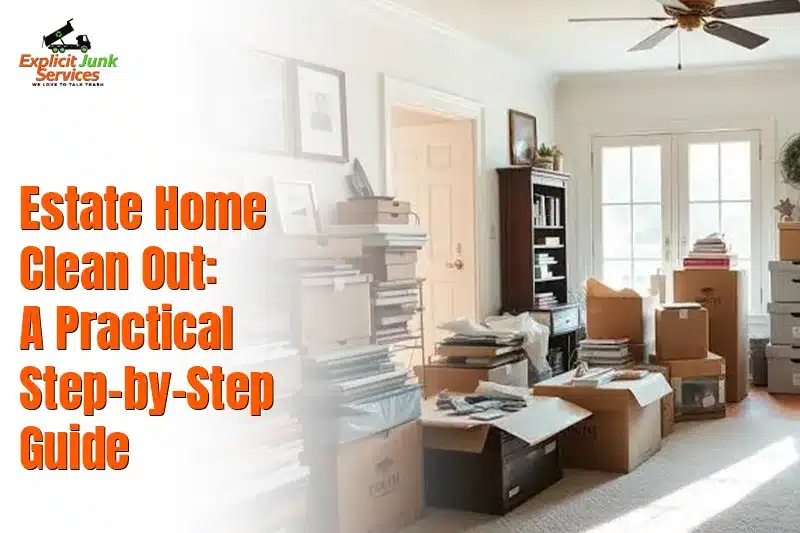
An estate home cleanout means clearing a property after sorting important documents, valuables, keepsakes, sale items, donations, recycling, and waste. A practical approach is to sort first and remove second. That order helps families protect meaningful belongings, avoid costly mistakes, and prepare the property for sale, transfer, rental, or another use.
Clearing an estate can feel heavy because every room may hold years of belongings. It differs from a normal move because decisions about ownership, value, donation, disposal, and cleanup come first. A clear plan reduces rushed choices, repeat work, and confusion between family members.
What an Estate Home Clean Out Really Includes
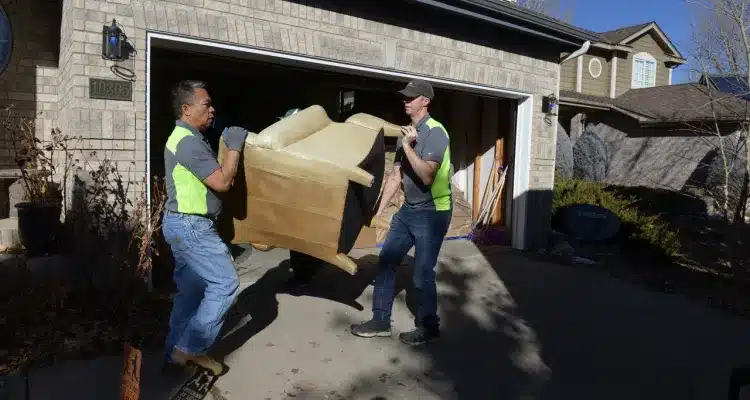
A full estate home cleanout usually starts with sorting, not hauling. The goal is to decide what should stay, what may have value, what can be donated, and what must leave. Following an estate cleanout checklist can help families keep track of important items and avoid missing areas during the process.
The work may cover bedrooms, kitchens, garages, attics, basements, sheds, closets, cabinets, and outdoor storage. Some homes also contain records, tools, electronics, furniture, appliances, collectibles, or family keepsakes.
A complete house cleanout may include:
- Finding and securing important records
- Separating sentimental items
- Identifying goods that may be sold
- Sorting items for donation
- Setting aside recyclable materials
- Removing furniture and bulky items
- Handling unwanted possessions
- Completing final property cleanup
The process is finished only after hidden areas have been checked and the home is ready for its next stage.
Handle Important Items Before Anything Leaves
The first task is protecting items that should never enter a junk pile.
Start with documents. Look for wills, deeds, insurance papers, tax records, bank information, vehicle titles, identification, keys, and property records. Check desks, drawers, filing cabinets, boxes, closets, safes, and storage bins.
Next, separate valuables and personal items. Jewelry, cash, photographs, letters, collectibles, artwork, and family keepsakes may need careful review.
If several relatives are involved, create one secure area for protected items. This can prevent confusion during estate belongings removal and make a home estate cleanout easier to manage from the beginning.
Sort Belongings With a Clear Keep or Let Go System
Sorting works better when every item has a defined path. Use labels, separate rooms, or marked areas.
A practical system includes:
- Keep: Items family members want to retain
- Sell: Furniture, tools, art, or collectibles with resale value
- Appraise: Items with unclear or potentially high value
- Donate: Usable clothing, furniture, and household goods
- Recycle: Electronics, metals, paper, and accepted materials
- Dispose: Broken, unsafe, or unusable items
- Undecided: Items needing more family discussion
Keep the undecided group small. Set a deadline for final decisions so the cleanout does not stall.
Follow This Estate Home Cleanout Process Step by Step
A room-by-room process keeps the project organized and reduces missed items. Good estate cleanout planning also helps families set priorities, organize decisions, and work toward the property’s next stage without unnecessary delays.
1. Set the Goal for the Property
Decide what the home must look like at the end. Is it being sold, rented, transferred, renovated, or returned to a landlord?
List every room and storage area, including the garage, attic, basement, shed, and patio. Add any sale or transfer deadline to the plan.
2. Secure Documents, Money, and Valuables
Remove legal papers, financial records, cash, jewelry, photographs, and valuable possessions first.
Store them away from the main sorting areas so they cannot mix with donations or waste.
3. Separate Family Keepsakes
Photographs, letters, heirlooms, awards, and personal objects often need family input.
Give relatives a clear way to claim items. A list, photo record, or labeled box can help. Set a deadline if the cleanout has a fixed schedule.
4. Review Items That May Need an Appraisal
Some antiques, artwork, jewelry, coins, and collections may have value that is not obvious.
If an item could be valuable, consider a qualified appraisal before selling or discarding it. Rushing this stage can cause preventable loss.
5. Group Donations and Recyclables
Move usable goods into a donation area and keep recyclables separate.
This lowers the amount of material entering the final junk load and makes hauling easier.
6. Remove Furniture and Remaining Unwanted Items
Large pieces should leave after important and reusable items are separated.
Beds, sofas, cabinets, tables, and appliances may need extra labor. Stairs, narrow halls, and tight doors can make furniture removal harder.
7. Complete the Final Property Cleanup
After removal, check cabinets, closets, drawers, shelves, garages, attics, and outdoor spaces again.
Sweep or clean basic areas as needed. Look for damage, forgotten items, or repairs that may affect the next property step.
Decide What to Sell, Donate, Recycle, or Dispose Of
Not every unwanted item belongs in the trash.
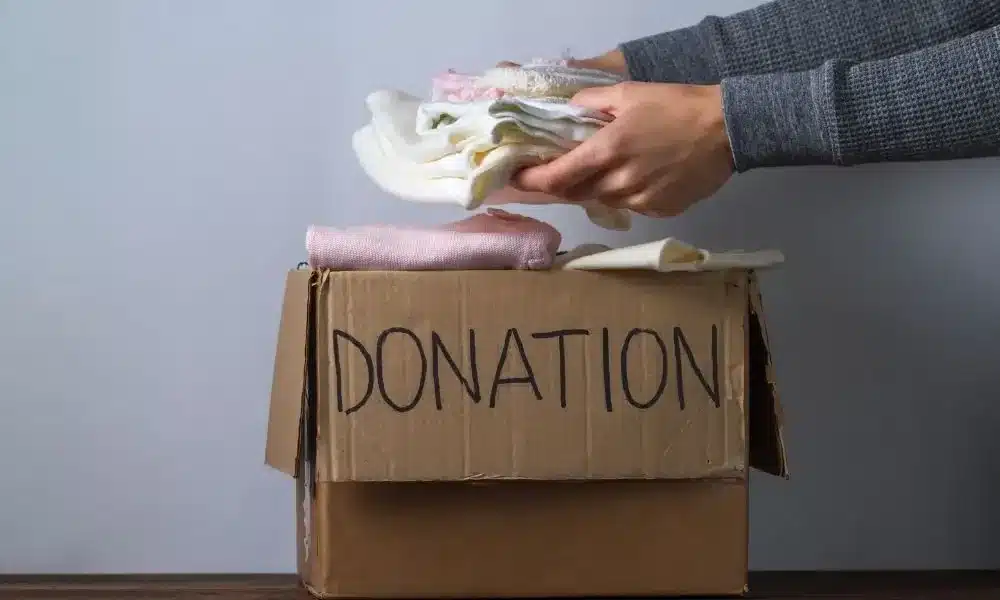
Items with resale value may be sold through estate sales, local buyers, consignment shops, or other suitable channels. Donation may fit clean, usable goods that do not justify the time needed for selling.
Recycling may work for electronics, metals, paper, certain appliances, and other accepted materials. Learning how to sort recyclable household waste can help keep reusable materials separate from items that require disposal.
Local rules matter. Paint, chemicals, batteries, electronics, fuel, and some appliances may need special handling. Check local disposal requirements before adding these materials to normal household waste.
Make Furniture Removal Safer
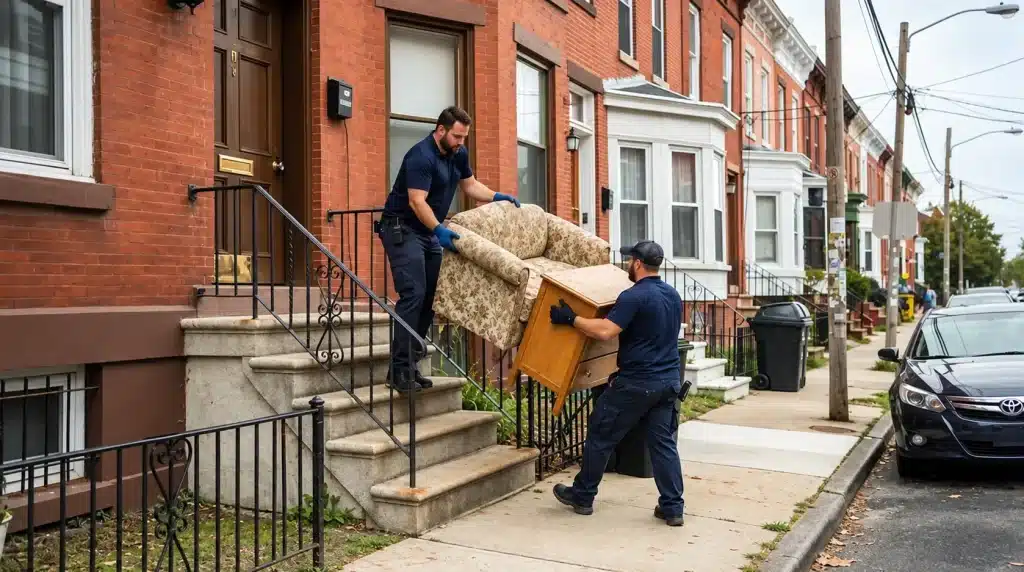
Furniture removal can become one of the hardest parts of a home estate cleanout.
Heavy items can damage walls, floors, doors, or stair rails. They can also cause injury without enough help.
Before moving large pieces:
- Clear the walking path
- Empty drawers and cabinets
- Remove loose shelves
- Measure doorways if needed
- Use enough people
- Protect floors and walls
- Take furniture apart when practical
Estate junk removal or house cleanout services may help when the property contains many bulky items.
DIY Cleanout vs. Professional Estate Cleanout Help
Both options can work. The right fit depends on property size, item volume, access, deadlines, and available help.
| Factor | DIY Cleanout | Professional Cleanout |
| Labor | Family or friends do the work | Crew handles physical removal |
| Sorting | Managed by the family | May include organized removal support |
| Furniture | Requires lifting and transport | Crew can handle bulky items |
| Disposal | Owner arranges disposal | Service may handle hauling and disposal |
| Time | May take days or weeks | Physical removal may move faster |
| Convenience | More hands-on work | Less physical work for the family |
DIY work can suit a smaller property with limited belongings and enough help. Professional residential junk removal may fit larger homes, tight schedules, or situations where the family needs assistance with bulky items.
What Professional Estate Cleanout Services May Cover
Service scope varies by provider, so ask what is included before booking.
A company may handle removal from bedrooms, kitchens, garages, attics, basements, sheds, and outdoor areas. Some providers may also assist with furniture removal, hauling, recycling, donation drop-off, and disposal. Estate cleanout services can vary by provider, so families should confirm what is included before arranging removal.
Ask:
- Is labor included?
- Are appliances accepted?
- Can the crew remove large furniture?
- Is sorting help available?
- How are donations handled?
- What items are restricted?
- Are disposal fees separate?
- Does the service include a final sweep?
These questions make it easier to compare services by actual scope.
How Long Does a Complete Estate Home Cleanout Take?
There is no fixed timeline for every estate house cleanout. The schedule depends on home size, item volume, family decisions, selling plans, access, disposal needs, and available labor. Estate cleanout planning is important when the property has a fixed deadline.
Selling or appraising belongings can also extend the process. Professional help may shorten physical removal, but family decisions still need enough time.
Prepare the Home for Its Next Stage
Removing belongings is not always the final task.
Once the property is empty, check for small repairs, wall damage, floor issues, leftover debris, or areas needing cleaning.
If the home will be sold, a clear property is easier to inspect and prepare. If it will be rented, repairs and deeper cleaning may follow.
Complete one final walkthrough. Check every cabinet, closet, storage shelf, attic corner, garage wall, and exterior area. Final property cleanup should leave no forgotten possessions behind.
Common Estate Cleanout Mistakes to Avoid
A rushed cleanout creates extra work and can lead to lost items or disputes.
Avoid these mistakes:
- Throwing items away before sorting
- Skipping drawers, attics, sheds, or hidden storage
- Mixing keepsakes with donation boxes
- Removing valuables before checking ownership
- Making disposal decisions without family agreement
- Lifting heavy furniture without enough help
- Ignoring local rules for restricted waste
The better order is simple. Protect important items, sort carefully, then remove what remains.
Final Thoughts for a Smoother Estate Home Cleanout
A successful estate home cleanout starts with decisions, not disposal. Secure records and valuables first. Then sort keepsakes, sale items, donations, recycling, furniture, and waste into clear groups. For additional help with the removal process, Explicit Junk Services can help make the property cleanout more organized and manageable.
Move through the property in a planned order and leave enough time for family decisions. Use professional help when the volume, lifting, or schedule becomes difficult to manage.
The goal is simple: protect what matters, remove what does not, and leave the property clean, clear, and ready for what comes next.
FAQs About Estate Home Cleanout and Property Cleanup
A full cleanout may include sorting, furniture removal, donation, recycling, junk disposal, hauling, and final property cleanup. The exact scope depends on the property and provider.
Create clear categories, record who wants specific items, and set deadlines. Valuable or sentimental items should be handled before general removal begins.
The timeline depends on home size, item volume, family decisions, selling plans, access, and labor. Sorting often takes longer than hauling.
Professional help may be useful for large homes, tight deadlines, heavy furniture, limited family help, or a high volume of unwanted items.
Yes. Clean, usable items may be suitable for donation, while approved materials may be recycled. Local programs and accepted materials vary.