
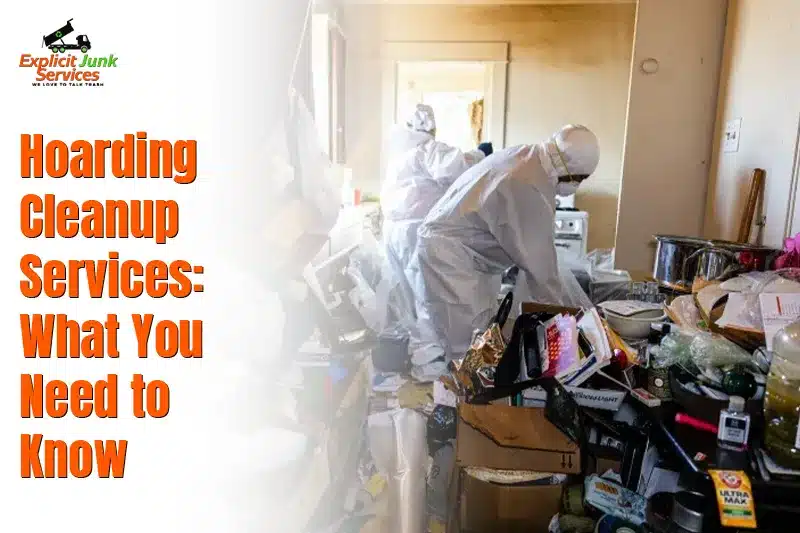
Hoarding cleanup services help clear severe clutter, sort belongings, remove waste, clean affected areas, and address sanitation or odor problems. The work often goes beyond normal house cleaning because blocked rooms, unstable piles, pests, mold, or contaminated materials can create safety concerns. A professional service can assess the property and organize cleanup in safer stages.
Heavy clutter can make rooms hard to use and may hide damage until items are removed. A complete cleanup can include sorting, hauling, deep cleaning, odor control, sanitation, and property restoration. The right approach depends on the home’s condition, the type of material inside, and how safely each area can be reached.
Why Hoarding Cleanup Is Different From Routine Cleaning
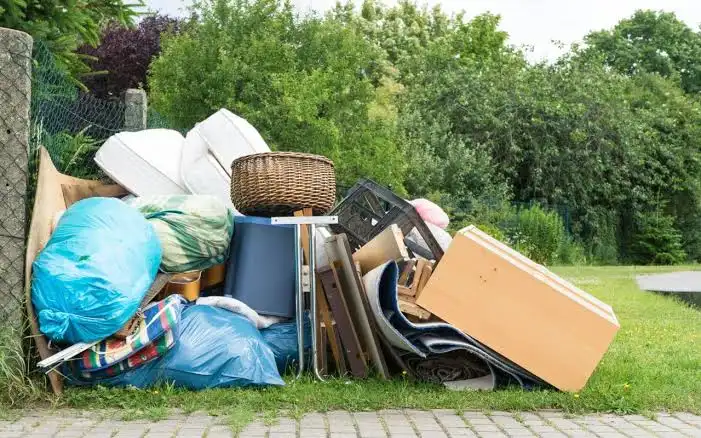
Normal home cleaning deals with dust, spills, and everyday clutter. Professional hoarding cleanup often starts with access. Doors, hallways, kitchens, bathrooms, or exits may be partly blocked by belongings or household waste.
That changes the order of work. Removal may need to happen room by room before floors, walls, cabinets, and fixtures can be cleaned. Hoarded house cleanup may also uncover food waste, pests, moisture, mold, or damaged materials.
The goal is not only to clear space. It is to make the property usable again and identify areas that need cleaning, sanitation, odor treatment, or repair.
Signs Expert Cleanup Help May Be Needed
Professional hoarding cleaning services may be appropriate when clutter affects safety, movement, or sanitation. Common warning signs include:
- Blocked exits or doors
- Unsafe or narrow walking paths
- Unstable piles
- Strong, lasting odors
- Rodents or insects
- Visible mold or heavy moisture
- Large amounts of household waste
- Unusable kitchens or bathrooms
- Heavy items that cannot be moved safely
- Suspected sewage, chemicals, sharps, or other hazards
How Hoarding Cleanup Services Usually Work
A complete cleanup normally happens in stages. The exact order depends on the property, but most projects follow a similar path.
Start With a Property Assessment
The crew first reviews clutter levels, access, odors, waste, visible damage, and possible hazards. This helps define the cleanup plan.
Put Safety Before Large-Scale Removal
Workers may use protective clothing, gloves, masks, or controlled access. Unstable piles, damaged flooring, pests, mold, sharp objects, and contaminated materials may change how a room is cleared.
Sort Belongings Before Hauling
Not every item is trash. Belongings can be grouped into keep, donate, recycle, sell, dispose, or review categories. Important papers, medication, photos, valuables, and personal items should be identified early when possible.
Clean and Restore Exposed Areas
After surfaces are uncovered, crews can address residue, odors, sanitation concerns, and visible damage.
DIY Hoarding Cleanup vs. Professional Service
The right choice depends on clutter volume, waste type, access, safety risks, and the people available to help.
| Cleanup Factor | DIY Approach | Professional Service |
| Assessment | Owner judges the condition | Crew reviews clutter and risks |
| Heavy removal | Family handles lifting | Crew manages larger loads |
| Safety | Owner manages hazards | Safety procedures guide the work |
| Sorting | Family makes decisions | Crew can support organized sorting |
| Disposal | Owner arranges hauling | Hauling may be included |
| Deep cleaning | May need separate work | Cleaning may follow removal |
| Odor control | Household products may be limited | Source treatment may be available |
| Restoration | Separate help may be needed | Some providers offer repair support |
DIY clutter removal can work when access is safe, and the material is mostly ordinary belongings. Professional hoarding cleanup is often more suitable when there are unsafe paths, strong odors, sanitation problems, heavy loads, or suspected hazards.
How to Prepare Before a Cleanup Crew Arrives
Do not enter an unsafe area just to prepare it. If easy to reach, set aside documents, keys, medication, valuables, and photos. Tell the hoarding cleanup company which items must stay.
Move pets away from the work area and agree on basic sorting rules before the crew arrives.
Main Safety Risks During Severe Clutter Cleanup
Severe clutter can create fall risks, blocked exits, unstable piles, damaged flooring, sharp objects, pests, mold, or contaminated waste.
Keep children, pets, and vulnerable residents away from active cleanup areas. Sewage, bodily fluids, chemicals, sharps, and contaminated items may need special handling. Do not disturb an unknown material simply to keep work moving.
How Belongings Are Sorted
Sorting is one of the most sensitive parts of hoarding property cleanup. The goal is to create order without assuming everything has no value.
A simple system uses six groups:
- Keep: Needed or meaningful items.
- Donate: Usable items others can use.
- Recycle: Materials accepted by local programs.
- Sell: Items with practical resale value.
- Dispose: Broken, spoiled, unsafe, or unwanted items.
- Review: Items that need a later decision.
The review group should stay limited. Otherwise, clutter can simply move from one room to another.
What Happens After Clutter Is Removed
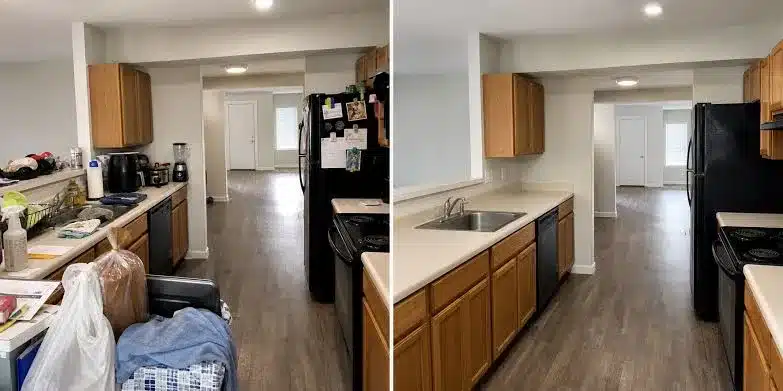
Removal opens the property, but it does not finish the job. Hidden floors, walls, ceilings, cabinets, carpet, and furniture may still need cleaning.
Once exposed, these areas can reveal stains, moisture damage, pest evidence, and odor sources. Property restoration may follow when cleaning alone cannot fix damaged carpet, drywall, flooring, cabinets, or other materials.
When Hazardous Materials Need Special Handling
Possible hazards can include sewage, bodily fluids, chemicals, sharps, contaminated fabrics, or containers with unknown contents. These materials may require different protective equipment, containers, or disposal methods.
Suspected hazards should not be handled as ordinary household waste. Specialist support may be needed before work continues.
Why Odor Removal Must Address the Source
Strong odors can remain after visible clutter is gone. Moisture, spoiled food, animal waste, smoke, mold, and contaminated materials can hold smells for a long time.
Masking the odor does not remove the cause. The source needs to be cleaned, treated, or removed. For example, odor trapped in carpet padding or damaged drywall may remain after surface cleaning.
Odor removal works best when it is tied to sanitation and deep cleaning rather than fragrance alone.
Deep Cleaning After Hoarding Removal
Deep cleaning begins once surfaces are reachable. Work may include floors, walls, ceilings, cabinets, bathrooms, kitchens, carpets, appliances, and furniture that will remain. Deep clean hoarding areas may require more detailed work than ordinary household cleaning.
Cleaning needs depend on what the clutter was hiding. The aim is to prepare the space for normal use and identify materials that cannot be cleaned effectively.
How to Choose the Right Hoarding Cleanup Company
A good company should explain what its service includes before work starts.
Check Relevant Experience
Routine house cleaning is different from severe clutter cleanup. Ask whether the company has handled blocked rooms, large waste volumes, difficult access, odor problems, or sanitation concerns.
Confirm the Service Scope
Some companies focus on hauling. Others may also provide sorting support, deep cleaning, odor treatment, or restoration. Ask exactly what is included.
Ask About Safety Procedures
Discuss what happens if workers find mold, pests, sewage, sharps, chemicals, or another unexpected condition. Clear procedures matter.
Review the Estimate Carefully
A useful estimate should explain expected labor, removal volume, disposal, cleaning scope, and possible extra work. Compare what each quote covers, not price alone.
How Long Can Hoarding Cleanup Take?
There is no single timeline for hoarding cleanup services. Project length can change based on:
- Property size
- Amount of clutter
- Number of affected rooms
- Access and parking
- Sorting decisions
- Waste type
- Safety concerns
- Damage found after removal
- Deep cleaning needs
A severe cleanup may require several stages instead of one visit. An on-site inspection usually gives a better estimate than a phone description, especially when the property must meet a moving, sale, inspection, or repair deadline.
Mistakes That Can Make Cleanup Harder
Several common mistakes can add time, stress, or safety problems:
- Rushing sorting: Important items may be discarded.
- Starting in unsafe rooms: Unstable piles or blocked paths can cause injuries.
- Treating everything as trash: Records, valuables, or useful belongings may be lost.
- Underestimating waste volume: Disposal plans may fail halfway through.
- Ignoring sanitation: Removal alone may not make the home usable.
- Cleaning only visible areas: Hidden residue and damage can remain.
- Poor family communication: Conflicting decisions can stop progress.
A written plan, clear sorting categories, and early discussion about risks can prevent many of these problems.
What to Expect From Hoarding Cleanup Services
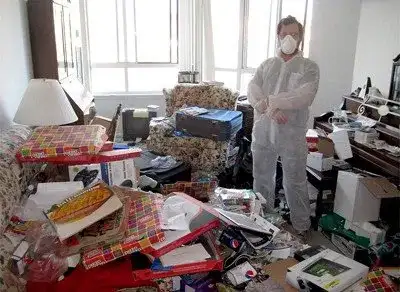
The first visit often begins with a property review. Work may then include access planning, sorting, removal, hauling, cleaning, odor control, and a final inspection.
Not every project needs every service. Before booking, ask how belongings are handled, what waste is accepted, what cleaning is included, and how unexpected hazards are managed.
Final Thoughts for a Safer Hoarding Cleanup
Hoarding cleanup works best when the process follows a clear order: assess the property, control safety risks, sort belongings, remove waste, clean exposed areas, and address damage.
Clutter removal is only one part of restoring a heavily affected home. Sanitation, odors, hidden damage, and hazardous materials may need separate attention. If the job is too large, unsafe, or complex to manage alone, Explicit Junk Services can provide a professional assessment to help show which hoarding cleanup services are needed and what should happen first.
FAQs About Hoarding Cleanup Services
Services may include assessment, sorting, clutter removal, hauling, deep cleaning, sanitation, odor treatment, and restoration support, depending on the provider.
Professional help may make sense when clutter blocks exits, creates unsafe paths, hides waste, causes strong odors, or involves pests, mold, or hazards.
Items are commonly grouped into keep, donate, recycle, sell, dispose, or review categories so personal or useful belongings are not removed by mistake.
Timing depends on property size, clutter volume, sorting decisions, access, hazards, damage, and cleaning needs. Larger projects may require several stages.
Many hoarding cleanup companies offer hauling and disposal, but service scope differs. Ask which waste types and disposal tasks are included.