
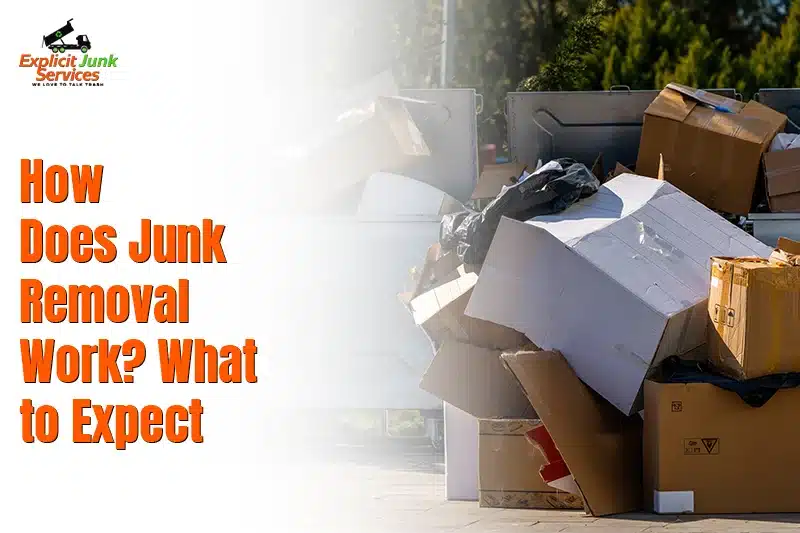
Old sofas, broken appliances, stacked boxes, yard debris, and years of household clutter are hard to move on your own. They take up space, they are heavy, and a regular trash pickup will not take most of them. Many people put the job off because they are not sure who to call or what the visit will involve.
If you have wondered how junk removal works, the process is more straightforward than it looks. Knowing what happens before, during, and after a pickup helps you prepare and avoid surprises. A typical service involves scheduling, estimating, preparation, loading, hauling, sorting, recycling, donation, and disposal, and this guide walks through each stage.
How Does Junk Removal Usually Begin?
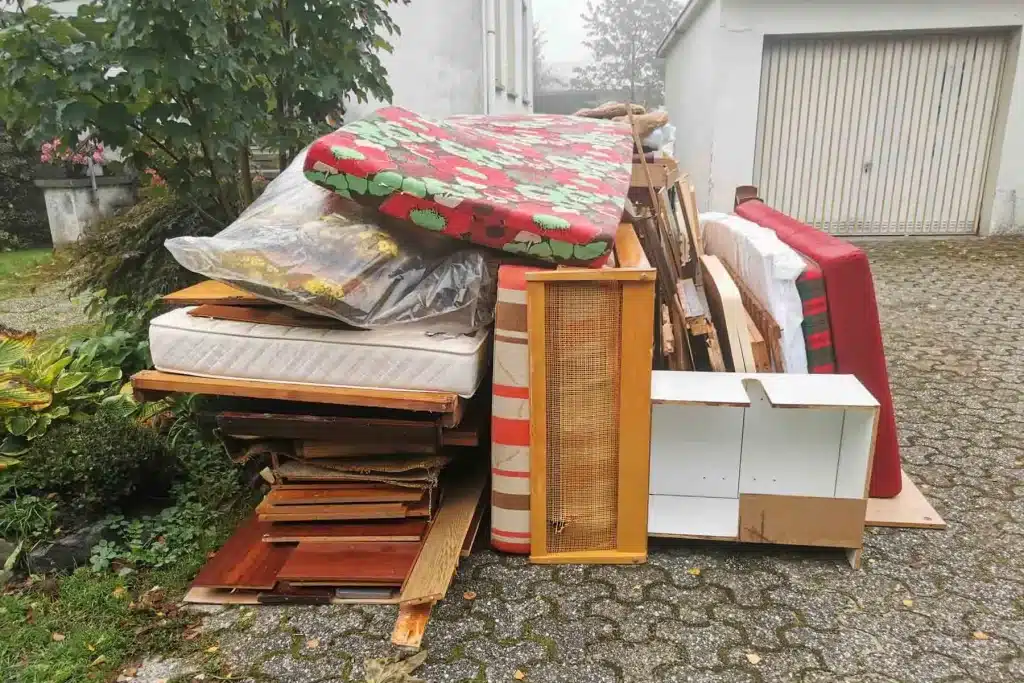
The process starts when you look around your home and identify what you no longer want. That might be a single mattress or a full garage. Once you know roughly what needs to go, you contact a service to schedule a pickup, either by phone or through an online form.
To get an estimate, most companies ask a few basic questions. They want to know what types of items you have, how much there is, where the items are located, and whether there are stairs, gates, or tight spaces to work around. Photos can speed this up, especially for large or unusual items. This early step shapes the entire junk pickup process, because the details you share decide how many crew members are sent and what size truck is needed.
Service details vary by provider, quantity, item type, and access conditions. One company may offer same-day visits while another books a few days out, and some may have limits on certain materials. Asking these questions early keeps expectations realistic.
What Happens During the Junk Removal Process?
The professional junk removal process usually follows six stages, from the first call to the moment the truck pulls away.
Schedule a Pickup and Share What Needs Removal
You arrange a date and time window, then describe the type, amount, and location of the items. Be specific about anything heavy, fragile, or awkward, and mention if the items are inside, in a garage, or outdoors.
Get an Estimate Before the Removal Begins
The company reviews the volume, item types, accessibility, and any special handling needs before confirming details. Some give a quote from your description or photos, while others confirm it on site before any work starts. Because pricing depends on these factors, it helps to understand junk removal cost drivers ahead of time so the final number makes sense.
Prepare Unwanted Items for the Crew
Before the crew arrives, decide exactly what is going and what is staying. Keep hallways, driveways, and doorways clear so the team can move freely. Preparation does not need to be perfect, but a clear path saves time.
Meet the Removal Crew at the Property
When the crew arrives, they typically confirm the items with you, review access routes, and note any special handling needs. This is the moment to point out anything that must stay and to mention fragile flooring or tight corners.
Watch the Loading Process Take Place
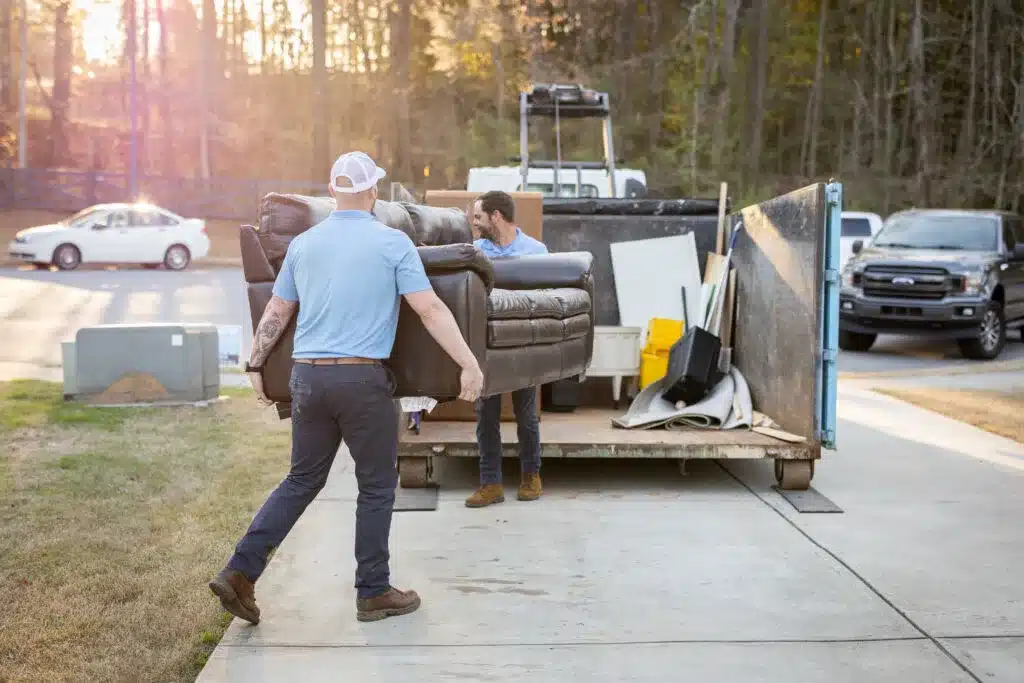
Full-service crews generally handle the physical loading, so you do not need to carry everything outside. They lift, carry, and stack items in the truck while you stay clear of the work area.
Finish the Hauling and Leave the Area Clear
Once everything is loaded, the crew transports the material away and finishes the physical removal stage. Reputable crews check the area and leave the space clear of the items you asked them to take.
What Should You Do Before Junk Pickup?
You can help the appointment go smoothly without doing much heavy work. A few simple steps make a real difference:
- Separate what goes from what stays. Set aside items to remove, and move anything you want to keep out of the work area.
- Identify restricted materials. Paint, chemicals, and other hazardous items usually need special disposal, so set them aside and mention them.
- Clear pathways. Open doors, remove obstacles, and make room in hallways and stairways.
- Protect items that should stay. Cover or move fragile furniture, artwork, and decor near the removal route.
- Prepare each area. In garages and basements, group items near the exit. In attics, bring lighter items down if it is safe. Outdoors, gather debris into one accessible spot.
What Can a Full-Service Junk Crew Handle?
From the customer’s perspective, full-service junk removal means the crew does the lifting. They carry items out, load the truck, haul everything away, and take care of the next disposal or recovery stage. Most people worry that they will have to move everything outside first, and in most cases they do not. Crews are set up to work from wherever the items are, including inside the home.
That includes the difficult spots. Stairs, garages, basements, large furniture, and bulky household items are routine for a trained crew. They use straps, dollies, and teamwork to move heavy pieces safely. Your main job is to point out what should go and to mention any access issues ahead of time.
How Does the Removal Crew Load Everything?
Loading is more than tossing items into a truck. Crews plan the order, moving heavier and bulkier pieces such as furniture and appliances first, then filling gaps with boxes, smaller debris, and loose items. This keeps the load stable and uses truck space well.
Item size, weight, location, stairs, narrow doorways, and general accessibility all affect how quickly and safely the work goes. A couch on the ground floor is a quick job, while the same couch on a third-floor walk-up takes more effort. That is why homeowners should identify anything that must remain at the property before loading begins, so nothing is removed by mistake.
How Does Junk Get Sorted After Pickup?
Not every collected item goes straight to a landfill. After hauling, many providers sort the material to find what can be reused, recycled, or disposed of. Sorting separates items that still have value from those that do not.
The final destination depends on the item type, its condition, the material, local requirements, and available recovery options. This is where recycling and donation come in, along with the need for responsible junk disposal when an item cannot be recovered. Practices differ between companies, so it is fair to ask how yours handles this step.
What Happens to Junk After It Leaves Your Home?
After the truck leaves, the material moves through a practical workflow from transportation to sorting to final handling. Some items are reused, some are donated, some are recycled, and some are disposed of. No provider can promise that every item will be recycled or donated.
Materials Are Separated During the Sorting Stage
Collected items can be separated by material, condition, type, and disposal requirements. Wood, metal, cardboard, and electronics may each go to a different place.
Usable Items May Be Directed Toward Donation
Suitable furniture, household goods, and other reusable items may be considered for donation when a charity accepts them and their condition is appropriate. Acceptance depends on the receiving organization.
Recyclable Materials Can Enter Recovery Streams
Certain metals, cardboard, electronics, and other materials may be sent to recycling options. If you want to see how households can approach this on their own, this guide on how to sort recyclable household waste explains the basics.
Items Requiring Disposal Are Handled Accordingly
Some materials cannot be reused or recycled, such as heavily damaged or contaminated items. These go to appropriate disposal facilities based on local rules.
Special Materials May Need Different Handling
Hazardous, regulated, or otherwise restricted materials may require specialized disposal rather than ordinary junk hauling. These are often excluded from standard pickups.
The Final Destination Depends on Item Type
Where an item ends up varies with its material, condition, local rules, and the facilities available. Two items from the same room can take completely different paths.
How Long Does a Typical Junk Pickup Take?
There is no universal answer, because jobs vary widely. A single item might take minutes, while a full-home cleanout can take hours. Several factors determine the timeline: the volume of junk, the number and size of items, property access, stairs, the distance from the items to the truck, how complex the loading is, and how well you prepared.
It also helps to separate the time at the property from the overall handling process. The crew may be at your home for an hour or two, but sorting, recycling, donation, and disposal continue afterward without any involvement from you. Ask the provider for a realistic window based on your specific job rather than relying on a general estimate.
How Does Residential Junk Removal Differ?
The residential junk removal process focuses on household situations, which vary a great deal from home to home. An apartment cleanout, a house with a basement, and a move-out with a full garage each present different challenges, and the property layout influences how the crew works.
Household Cleanouts Often Involve Mixed Items
Residential jobs often combine furniture, boxes, appliances, electronics, and miscellaneous clutter. A typical pickup might include an old dresser, a broken television, several boxes of donations, and a worn rug.
Garage Removal Can Include Bulky Stored Items
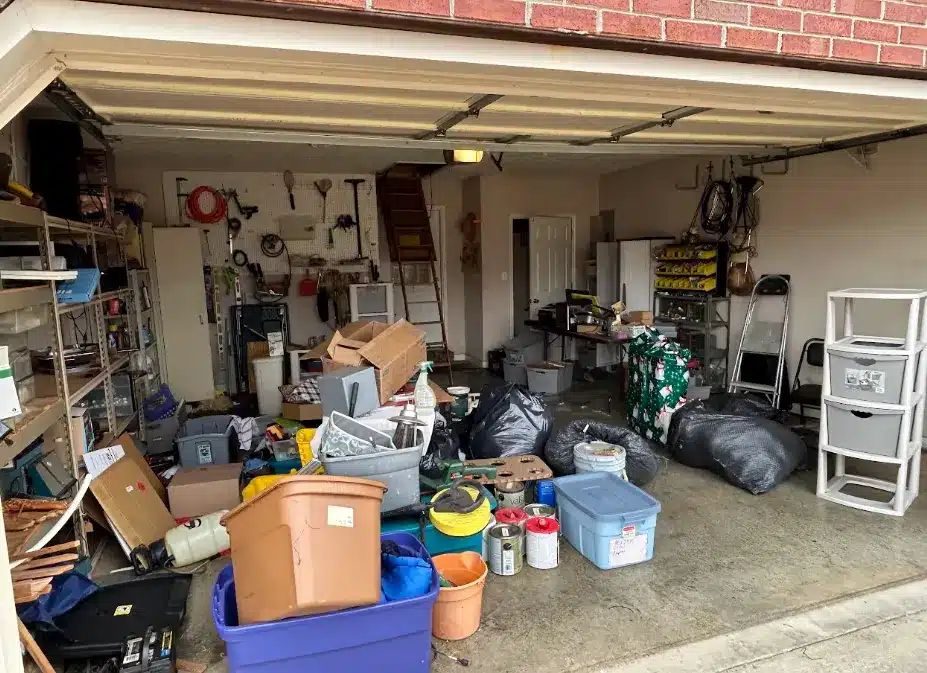
Garages tend to hold old tools, shelving, equipment, boxes, and unwanted belongings that have built up over years. Because these items are often heavy and disorganized, many homeowners rely on a professional for a garage cleanup rather than tackling it alone.
Basement and Attic Jobs May Require Extra Handling
Stairs, tight spaces, and limited access change how crews approach these areas. Items may need to be carried by hand rather than rolled out, which affects both time and crew size.
Move-Out Pickups Can Involve Larger Loads
Moving or downsizing often creates a bigger mix of furniture, household goods, and unwanted items. Planning for a larger truck or more than one trip can help.
Outdoor Residential Cleanup Adds Different Materials
Yard debris, old outdoor furniture, and other exterior items can become part of a residential pickup. These may be handled differently from indoor items depending on weight and material.
Access Conditions Can Affect the Crew’s Workflow
Driveways, parking, stairs, elevators, gates, and narrow passages all influence the removal process. Letting the provider know about them in advance helps the crew arrive with the right plan.
What Can Make a Junk Removal Job More Complicated?
Most jobs follow the normal workflow, but some factors change it. Unusually heavy items such as safes or pianos, difficult access, very large quantities, restricted materials, and items that need special handling can all complicate a job. The standard junk removal company process still applies, but the crew may need extra people, tools, or time.
This is why you should mention unusual circumstances when scheduling rather than assuming every job is the same. For example, a refrigerator in a basement with a narrow staircase, a load that includes construction debris, or a pile that has grown well beyond what you first described are all worth flagging early. A few sentences at the start can prevent delays, added charges, or a second trip.
What Should You Confirm Before Booking Junk Removal?
Asking the right questions helps you choose and schedule a service with confidence. You do not need to compare companies against a ranking; just confirm the details that matter for your job.
- Which materials are accepted, and which are restricted?
- What does the estimate include, and can it change on site?
- What will the crew handle, and what should I do myself?
- Are there access concerns the crew should know about, such as stairs or gates?
- How should I prepare items before the crew arrives?
- What are the cancellation and rescheduling policies?
- What happens to the items after pickup, including recycling and donation?
Describe large or unusual items accurately, because an incomplete description is one of the most common reasons an estimate changes on pickup day.
How Can You Make Junk Pickup Go More Smoothly?
The best preparation comes down to a few habits. Separate items for removal ahead of time so the crew does not have to guess, and clear pathways from the items to the exit. Secure belongings that should remain by moving them to another room or marking them clearly, and communicate any special circumstances when you book.
You generally should not attempt risky lifting or dismantling just to make the crew’s job easier. Trying to carry a heavy appliance down stairs or take apart a large piece of furniture can lead to injury or damage. Good preparation reduces confusion and makes loading more organized, and the crew can handle the heavy work safely.
Junk Removal Compared With Doing the Cleanup Yourself
Professional removal and doing it yourself both work, and neither is right for everyone. The difference comes down to who handles each responsibility.
| Factor | Professional Junk Removal | DIY Removal |
| Lifting | Crew may handle heavy items | Homeowner handles lifting |
| Loading | Crew performs loading | Customer loads items |
| Transportation | Service handles hauling | Customer arranges transport |
| Sorting | Provider may sort materials | Customer handles sorting |
| Recycling | Provider may direct eligible items | Customer finds recycling options |
| Disposal | Provider handles appropriate disposal | Customer arranges disposal |
A DIY approach can make sense for a small amount of light junk, especially if you own a truck and have time. Professional help tends to be more useful with bulky items, large quantities, limited transportation, or difficult access. It also removes the extra steps of finding a recycling center or landfill and paying for disposal separately. Weigh your time, physical ability, and the size of the job when deciding.
What Happens After the Junk Is Picked Up?
For most customers, the visible part of the process ends once the items are loaded and the truck leaves. Behind the scenes, the provider may continue sorting and processing the materials.
Collected items can go to donation, recycling, reuse, or disposal. A solid wooden table might be donated, a metal frame might be recycled, and a water-damaged mattress might go to disposal. Customers should not assume that every collected item follows the same path, because the outcome depends on the item and the facilities available. If a specific outcome matters to you, such as donation or recycling, ask the provider about it before the appointment.
Final Thoughts on How Junk Removal Works
The journey begins when you schedule a pickup and get an estimate, moves through preparation, crew arrival, loading, and hauling, and continues with sorting, recycling, donation, and disposal. Each stage has a clear purpose, and knowing them makes the whole process easier to trust.
The exact process can vary by provider, property, item type, quantity, and local requirements. Be sure to communicate unusual items and access conditions before the appointment, since that is the best way to keep the day on track. When you are ready to clear your space, contact a junk removal service like Explicit Junk Services to discuss your items and arrange a pickup.
FAQs About How Junk Removal Works
Junk removal can involve several stages, and homeowners often want to know exactly what happens before scheduling a service. These questions cover additional concerns about pickup, preparation, handling, and what happens after removal.
Yes, most full-service crews carry items out from inside the home, including from bedrooms, basements, and attics. Let the provider know about stairs or narrow access when you schedule.
Often they can, with the right crew size and equipment. Describe the item, its size, and its location beforehand so the provider can prepare properly.
Practices vary. Some companies quote from your description or photos, while others confirm the estimate on site. Asking for an estimate first helps you avoid surprises.
The crew will typically leave those items behind and let you know why. Hazardous or regulated materials usually need a specialized disposal option, such as a local waste facility.
Often yes, if the truck has space and the items are accepted. Adding items may change the final price, so it is better to mention everything when you book.