
Clutter grows fast and slowly takes over the living space at home. Many people feel stressed when rooms fill with unused items and random piles. Now, let’s see a clear path to fix this problem. The Explicit Junk Service guide to efficient home decluttering shows a simple way to regain space and control. It explains practical home junk removal strategies that help people remove unwanted items and create a calm living area.
You might notice that clutter often spreads from one room to another. This guide helps stop that cycle with clear and useful steps. It introduces a step-by-step home declutter guide that makes the process easier to follow. It also shares room-by-room home organization methods. These ideas support effective clutter management techniques that help keep homes clean and simple long after the first cleanup.
Why Efficient Home Decluttering is Important
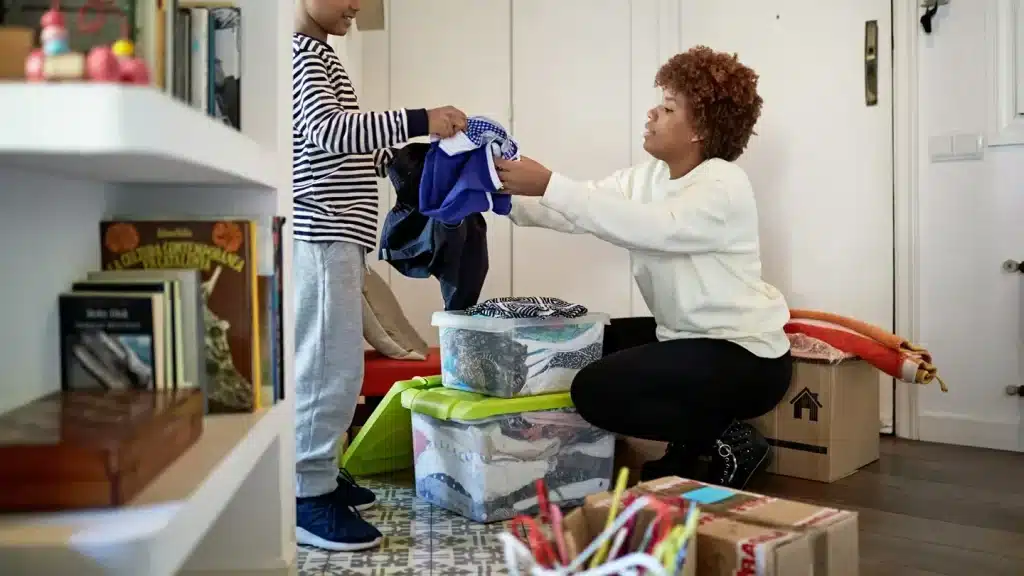
A messy home can slowly affect mood and daily focus. When rooms feel crowded, people often feel tired or stressed. Now let’s see why simple changes matter. The Explicit Junk Service guide to efficient home decluttering shows how clearing space helps people think better and move with ease. Clean areas support better routines and calm daily life.
Clutter also reduces the space people need for daily tasks. Items pile up and block shelves, floors, and storage areas. Over time, the problem grows harder to fix. Good residential decluttering solutions help remove unused items before they build up again. You might notice that a clear home feels lighter, easier to manage, and more comfortable to live in.
Preparing for a Home Declutter
A good plan makes decluttering easier and faster. Start by choosing the areas that need the most work. Focus on one room or small space for effective home clutter removal first. This step-by-step home declutter guide helps break the task into simple parts. Clear goals help you stay calm and avoid feeling overwhelmed during the process.
Next, gather boxes, trash bags, and labels before you begin. These simple tools help sort items quickly. You might notice that preparation saves time and effort later. Smart home junk removal strategies help remove large piles without delay. With the right setup, the whole process feels smooth and far less stressful.
Essential Tools and Supplies
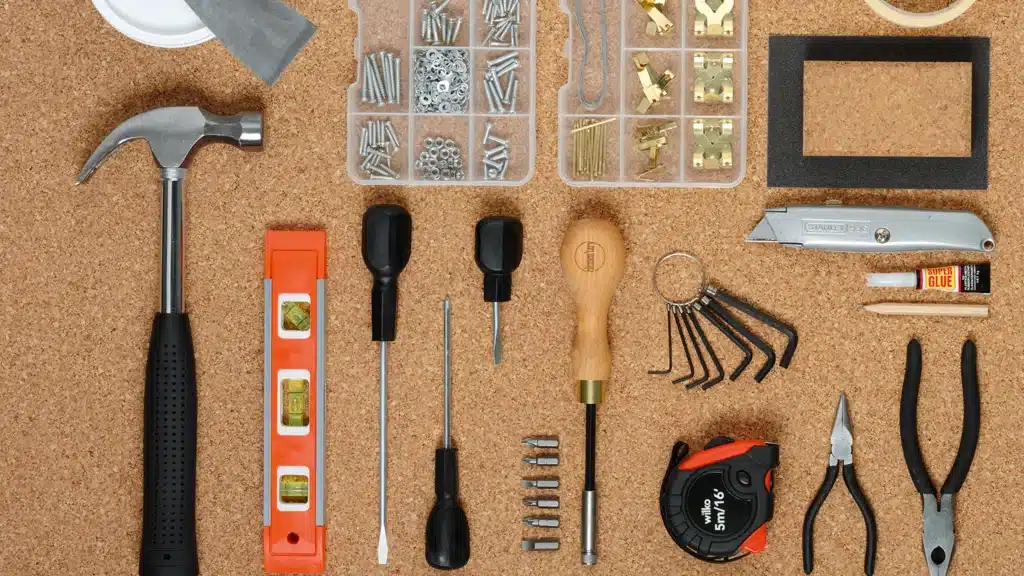
Before you start, it helps to gather a few simple tools. Boxes and strong trash bags hold items you plan to remove. Storage bins keep useful items safe and sorted. Gloves protect your hands during work. These tools support the Explicit Junk Service guide to efficient home decluttering and help keep the process safe and clear.
Labels also play a key role during sorting. Mark each box with keep, donate, or remove. This step keeps items easy to track later. Basic cleaning tools help clear dust after items leave the space. When tools stay close, the work moves faster. A step-by-step home declutter guide becomes easier when supplies are ready from the start.
Room by Room Decluttering Methods
Start with one room and stay there until the task ends. This simple step keeps the process clear and calm. Many people begin with the living room or bedroom. You might notice quick progress in these spaces. Room-by-room home organization methods help break a large job into small, easy steps especially when clearing outdoor clutter like driveway junk cars.
Now move slowly through the rest of the home. Focus on kitchens, bathrooms, and storage areas next. Each space holds items that need sorting and removal. Good residential decluttering solutions help manage these spaces without stress. When every room gets attention, the whole home feels lighter, cleaner, and far easier to maintain.
Sorting Items Efficiently
Sorting items is a key step in any cleanup plan. Begin with four clear groups: keep, donate, recycle, and discard. This simple system helps you decide fast. You might notice less stress when choices stay simple. The Explicit Junk Service guide to efficient home decluttering supports this method and helps people stay focused.
Labels also help keep every group easy to track. Mark each box so items do not mix later. Storage bins keep useful items safe and neat. Smart home junk removal strategies help move unwanted items out quickly. When sorting stays clear, the whole home starts to feel open and easier to manage.
Managing Difficult or Sentimental Items
Some items are hard to part with, like gifts, photos, or bulky furniture. These need careful thought and patience. The Explicit Junk Service guide to efficient home decluttering shows how to decide what really adds value. Focus on items that bring joy or serve a clear purpose in your home.
Use a step-by-step home declutter guide to handle these tricky items slowly. Take breaks and revisit decisions if needed. You might notice that letting go of a few things creates more space and calm. Sorting carefully ensures your home stays organized without losing what truly matters.
Incorporating Minimalism and Clutter Management
Minimal living helps people keep homes calm and easy to manage. The idea is simple. Keep items that serve daily life. Remove items that stay unused for long periods. These habits support effective clutter management techniques and keep rooms open. Fewer items also make daily clean tasks quick and simple especially when clearing outdoor clutter through junk car removal.
Smart buying habits also prevent new clutter. Think before bringing new items into the home. Choose items that serve real use. Keep storage areas simple and easy to manage. These residential decluttering solutions help people maintain neat rooms and avoid clutter returning again.
Maintaining a Clutter-Free Home
A clear home stays neat with simple daily habits. Set short times each week to review rooms. Return items to their place after use. Remove items that no longer serve daily life. The Explicit Junk Service guide to efficient home decluttering shows clear ways to keep rooms calm and open.
Strong habits keep clutter from building again. Use shelves, bins and clear spaces for daily items. Check storage areas every few months. Remove items that sit unused. These room-by-room home organization methods help each space stay neat and easy to manage for long periods.

Common Mistakes to Avoid
Many people start home clean tasks with good plans. Some habits slow the work and create more clutter later. Clear steps help people stay focused and finish each room well. The Explicit Junk Service guide to efficient home decluttering helps people avoid these common errors.
Mistakes to Avoid
- Waiting too long before starting the declutter task
- Trying to store too many items in small spaces
- Skipping sorting steps during the clean process
- Ignoring storage areas like shelves bins and cabinets
- Keeping broken or unused items for many years
- Mixing trash donate and keep items in one pile
- Not using clear home junk removal strategies during sorting
Conclusion
Clear homes start with a simple plan and steady action. The Explicit Junk Service guide to efficient home decluttering shows practical ways to sort items and free space. Small daily habits keep rooms neat and easy to manage Explict Junk Service. When people follow clear steps they finish tasks faster and keep order longer.
Long term results come from steady review and smart choices. Remove items that no longer serve daily life. Store useful items in clear places that stay easy to reach. These residential decluttering solutions help homes remain tidy and calm. Good habits keep clutter from returning and support smooth home living.
FAQs
Using residential decluttering solutions, it is best to declutter every few months. Regular check-ins prevent buildup and keep your home neat and calm
Follow a step-by-step home declutter guide. Focus on one room or small area at a time and take breaks when needed.
Use effective clutter management techniques. Prioritize items that bring value, sort slowly, and store meaningful items safely to reduce stress.
Apply room-by-room home organization methods. Use storage bins, shelves, and labels to keep items tidy and easy to access.
Use home junk removal strategies. Clear surfaces first, remove unnecessary items, and maintain routines to keep busy areas open and functional.