

You have a car that is rusted and not in operation which is not just an eyesore. It not only can reduce property value but also draws pests spills destructive fluids, as well as cause legal issues in certain regions. The good news? It may be much easier and less expensive than you think to remove a rusted car from your premises. In most instances, it is even free of charge.
This guide takes the hassle out of determining the optimum ways to remove junk cars through legal and eco-friendly solutions, ensuring that garage cleanout decisions are simple, responsible, and stress-free—so you never have to worry about which option to pick.
Why a Rusted Car Can Quickly Turn Into a Property Risk
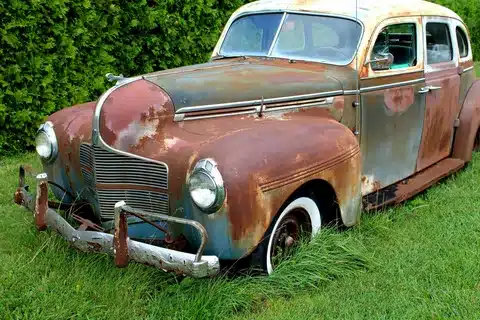
Firstly a rusted car might not seem to be a big issue but as time goes by, it can gradually become a very big source of legal environmental and safety issues. Most property owners do not think about how fast an abandoned and run-down car would be noticed by the neighbors local police or even the environmental organization.
When metal corrodes it creates sharp edges. Fluid is released and rodents or insects tend to invade and cause oil brake fluid and coolant to be released into the soil which eventually damages the soil permanently. It is also known that an abandoned car on property may instigate zoning violations or code enforcement notices in many locations and areas, particularly where people can see the car.
This instruction manual is aimed at assisting you in removing a rusted car the proper way. You will learn how a vehicle is legally defined as junk, what paperwork is required, and which affordable, eco-friendly alternatives are available making professional commercial cleanout a smooth, compliant, and cost-effective process.
In case you are wondering how to get rid of an old car without experiencing stress or being caught up with finesthis step-by-step guide would guide you through the process without incurring any fines in the most legal way possible.
1. How to Identify If the Vehicle Is Junk or an Abandoned Car on Property
It is worth the while to identify how the vehicle is to be considered according to local and state laws before acting. This difference influences the legal proceedings that directly impact the legal steps that you have to take.
Signs a Vehicle Is Officially Junk
A car is typically said to be junk when it exhibits several indications of neglect over a long period of time, including:
- An engine that is not running or that has been seized.
- Large rust holes on structural integrity.
- The lack of such necessary components as the wheels doors or the transmission.
- No license plates or expired registration.
Municipalities tend to utilize these indicators in the implementation of abandoned vehicle laws.
Why Classification Matters
When you own the vehicle, it is normally easy to remove it provided that the paperwork is in place. Nevertheless in the case of an abandoned car on your premises, if it is not yours, other legal measures will be used. Classification is necessary so that you can take the right legal junk car process without liability problems.
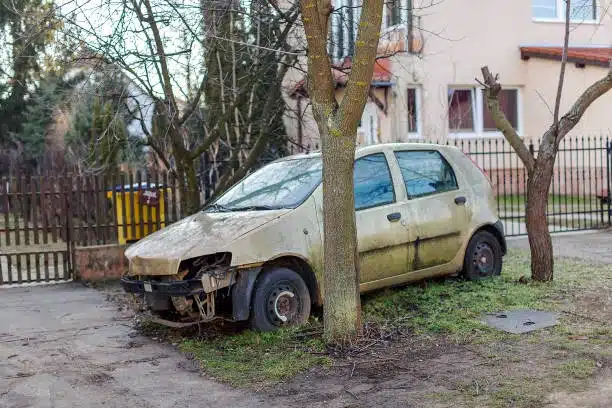
2. Why Checking Ownership and Junk Car Paperwork Comes First
The concept of paperwork is considered one of the least important yet important steps in the plan to remove a rusted car from your property. Failure to do so would postpone removal or even lead to fines.
Important Documents to Review
Start by gathering and reviewing:
- The vehicle title
- Registrations that are either current or out of date.
- Any document of lien or loan.
Learning about vehicle title specifications in your state will assist in avoiding any disagreements and legal transfer or disposal.
What If the Title Is Missing
The lack of paperwork does not imply that it cannot be removed. Options often include:
- Refusing to obtain a duplicate title at your local DMV.
- Using a bonded title process
- Adherence to the state-specific vehicle transfer regulations.
The issue of junk car paperwork is to be addressed properly to gain credibility and to avoid legal claims in the future.
Proper handling of junk car paperwork builds credibility and protects you from future legal claims.
3. How to Remove a Rusted Car From Your Property Legally
After securing ownership, you can decide among several legal disposal options based on the condition of the item and your financial means, making dispose old devices a practical, compliant, and cost-effective choice.
Options That Do not Involve Towing Fees
Most property owners would want to use solutions that enable them to remove a car without incurring any towing charges among others:
- Disposing of scrap cars privately by utilizing licensed recyclers.
- Donation programs for rusted cars.
- Dropping off by proprietors in designated facilities.
These junk car removal services will save a few dollars without violating the process.
What to Avoid
To stay within the law avoid:
- Dumping of waste that is illegal on uncultivated land.
- Parking the vehicle on the streets.
- Outsourcing illegal towing companies.
Unethical disposal may easily lead to penalties or even prosecution.
4. How to Prepare a Rusted Car for Removal
Preparation improves safety and reduces environmental risk during removal.
Safety Checklist
Before removal take time to:
- Drain all fluids if possible
- Remove personal belongings
- Secure or remove looserusted metal pieces
These steps reduce hazards during transport.
Environmental Considerations
Responsible rusted car disposal includes:
- Eliminating the oil and fuel leakage.
- Conserving the soil in the vicinity.
- Reproducing materials to be recycled.
The selection of environmentally friendly ways of disposing of cars promotes scrap metal recycling and less wastage in landfills.
5. How to Remove Non Running Car Without Damage
A non-operational vehicle presents additional challenges.
Common Challenges
When you need to remove a non running car you may face:
- Flat or missing tires
- Seized brakes
- Broken axles or frames
Smart Solutions
Effective solutions include:
- Winching systems
- Ready-up of flatbed transport.
- Wheel dollies for limited mobility.
These practices dominate the offer of junk car removal by professionals.
6. What to Do After the Car Is Removed
Removal is only part of the process. Post-removal cleanup protects your property value.
Property Cleanup Steps
After removal focus on:
Cleaning rust or oil stains
Conducting soil contamination.
Sealing the surface using gravel or pavement.
The process of old car disposal goes full cycle with these steps.
Preventing Future Issues
To avoid repeat problems:
- Adhere to vehicle storage guidelines in the locality.
- Undertake property routine inspections.
- Established property boundaries.
This will stop future cases of abandoned cars on the property.
7. What Mistakes you consider to Avoid When Removing a Rusted Car
Even well-intentioned property owners can make costly mistakes.
Costly Errors
Common issues include:
- Ignoring paperwork requirements
- Violating disposal laws
- Causing environmental damage
What to Do
A compliant approach means:
- Carrying out the right legal procedure.
- Keeping documentation
- Application of authorized rusted car disposal pathways.
It is always done right to safeguard not only your land but also your reputation.
How to Prevent Rust and Save Money in the Long Run
- Avoid expensive repairs: Early prevention of rust prevents structural damage which may need a costly bodywork repair or mechanical repair.
- Prolong the life of your car: Rust protection ensures your car is roadworthy and it lasts longer before it becomes necessary to remove a rusted car.
- Keep the value: A car that is in good condition without any rust is more valuable and it will lessen the financial burden if you later sell or trade the vehicle.
- Keep off disposal expenses which are urgent: Rust prevention will also save you the hassles of having to get disposal urgently.
- Disposal that will be eco-friendly: In case of rust, which can no longer be repaired, there are scrap car disposal, old car disposal, and rusted car disposal that can help to recycle scrap metal and to effectively dispose of the car ecologically.
- Handle non-running vehicles efficiently: It is easy to dispose of an old vehicle safely through solutions such as removing a car without towing fees.
- Adhere to state regulations: The correct junk car paperwork and understanding of the requirements of a vehicle title or the abandoned vehicles law make sure that the process of disposal is legal.
- Recover value: Scrap value can be derived even in cases where the car is heavily rusted and this will offset the cost of disposing of it.
- Calmness: The lack of rust will save the stress of having to tackle a neglected car on the land or how to dispose of an old car.
Final Thought
It is not merely about clearing space on your land, but about protecting your property, avoiding legal hassles, and responsibly disposing of a rusted car. By spending the time necessary to acquaint yourself with ownership regulations, understanding the proper junk car legal process, and selecting safe, approved disposal systems, Explicit Junk Service helps you dispense with an old vehicle smoothly without needless anguish or hidden expenses.
This guide is a one stop list of how to remove a rusted car with ease within the confines of the law as well as in the most effective manner.
FAQ
You may qualify for a duplicate or bonded title depending on state laws.
Yes, but ownership verification and legal notice requirements apply.
Licensed recyclers use environmentally approved disposal methods.
Yes, with proper equipment and preparation but safety is essential.
Typically, a title ID and release forms are based on ownership status.