

We get it. This topic is tender and real. Homes hold stories and pain. Stuff can feel safer than change. You may feel stuck and judged. Let us look with care and curiosity. No blame here, only calm help and facts. Why Do People Hoard can feel like a hard ask. Hoarding is not laziness or a flaw. It is a complex health issue. The brain seeks relief from fear and loss. The heart clings to links and memories. The mind dodges hard choices and regret.
The home and environment can feed the habit. A deal bin can shout “take me home now,” and left-alone clutter can grow like a slow vine. You are not alone many people face the same maze at home. With care and skill, this path can change. Therapy and gentle cleanup can bring real relief. We will explore why people hoard with true understanding and share clear, practical steps, including how to quickly recycle and dispose of items, so you can start making progress right away.
What Is Hoarding Disorder?
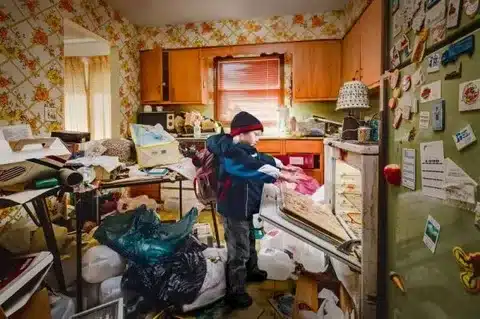
Hoarding disorder means a hard time letting go of stuff. Items pile up and form heavy clutter over time. The person feels a strong need to keep things. Sorting feels scary and slow. The space fills, and life gets tight. Normal rooms start to fade under stuff.
Daily tasks get hard, like cooking or sleeping. Exits can be blocked, and fire risk can rise. Falls happen, and pests can spread. It is a real health issue. Health experts and clinics now name and treat it. It appears in DSM guides for care.
Why Do People Hoard?
Some items hold deep stories and calm the heart. A ticket or card can feel like a friend. Letting go can feel like losing that friend. So they keep more to guard those feelings. The pile becomes a shield for grief or worry.
This tie grows with stress or lonely nights. The brain links a safe mood with that item. That link can pull in more and more items. It is a coping tool, yet it backfires. Better bonds and support can ease that need.
Fear of Losing Something Valuable
People fear they may toss a thing they need. What if I need that part next week? This fear can freeze any choice to discard. So items wait in stacks and bags. Risk feels big and gain feels small. The mind avoids the risk of regret.
This fear can rise with money stress. Tight funds make waste feel very wrong. Old gear then feels like a lifesaver. A plan for needs can calm that fear. Lists and bins help real needs stand out. That builds smart keep or toss rules.
Past Trauma or Sudden Loss
A hard loss can change the way we keep. A death or split leaves a deep ache. Items feel like a link to a dear time. The pile grows to hold that pain. Stuff seems safer than opening that wound. This is a trauma shield for the heart.
Memories can blur and feel mixed with things. Sorting then feels like a threat to love. Grief care and support can ease that link. Safe groups and gentle talk can help heal. Time and therapy can build new calm paths.
Anxiety and Control Issues
Anxiety makes the world feel wild and fast. Stuff can feel like a small control zone. More items mean more control, or so it seems. Order feels tied to the pile of things. Then the pile rules the day. Stress loops and grows with each stack.
This issue can start with past chaos. It may link to perfection goals or fear. Simple wins can give some real control back. Use small zones and clear steps for tasks. Praise each win and keep the pace kind. That calms anxious loops over time.
Learned Habits from Family or Environment
We learn how to keep stuff in our first home. If piles were normal, you may copy them. You might notice you save like your folks. Old habits stick hard under stress. Then stacks grow with each sale or deal.
The local culture can shape or toss rules. Some towns prize thrift and reuse a lot. That helps, but it can bend into large piles. Skills like sort and donate can reset things. A coach can teach ways that last.
Key Signs and Symptoms of Hoarding
Visible Clutter and Blocked Spaces
You see piles on floors and odd paths in rooms. Chairs hold bags, and tables hold stacks of mail. Doors stick or stay closed from stuff. Windows and vents can block and trap air. This is not just a mess; it harms safety.
Difficulty Discarding Anything
Letting go feels like a loss or a threat. Each item seems useful or dear in some way. Bags and boxes sit for years without sorting. Trash day feels hard and heavy. Help with choices can ease this pain. A clear plan builds skill with the toss steps.
Emotional Stress When Cleaning
Cleaning sparks fear, sadness, or anger at times. Heart pounds and hands shake during sort time. The mind floods with what-if thoughts. Breathing and breath work can help calm waves. Kind support keeps the work on track. Small wins build trust in the process.
Avoidance and Isolation
Many avoid guests due to shame or stress. They dodge visits and calls to hide the home. Work and school can start to suffer. Lonely days can make saving stuff feel safer. A friend or group can help break that wall.
Health and Safety Risks
Stacks can fall and cause trips and falls. Mold and pests can spread in hidden spots. Fires start fast when exits are blocked. Dust can harm lungs and skin. Quick fixes fail, so plan real safety steps. A check by a fire crew can guide care.
Hoarding vs Collecting: What Is the Difference
Collecting has a clear goal and plan. A set has rules and a place for items. A collector tracks finds and keeps records. They show and share the set with pride. The space stays safe and clean. This is an organized hobby.
Hoarding grows from stress and deep emotion. There is no set plan or endpoint. A stamp collector sorts and displays a neat set. A hoarder saves heaps of mail and flyers. The home becomes unsafe due to the piles. That is the core difference.
What Do People Usually Hoard
Common items include papers, clothes boxes mail food and old tech. They start as save-it-for-later piles. Soon, the stacks spread across rooms and halls. You might keep boxes from big buys or moves. Junk drawers grow into junk walls.
Food can spoil and draw pests into the home. Old parts and wires can cause fires. Rooms get blocked, and baths get hard to reach. Then the home turns unsafe or not livable. This is where help makes a big change.
Different Types of Hoarders
Shopper Hoarders
They buy deals and extras due to fear of need. Bags stay sealed and pile in spare rooms.
Food Hoarders
They store more food than they can use. Dates pass, and waste grows with smell.
Trash Hoarders
They keep items most would call trash or scrap. Bags and bins stack high in each room.
Animal Hoarders
They keep many pets beyond safe care. Homes and pets both suffer from this.
Information Hoarders
They save papers, books, files, and news for later. Stacks of block desks, and the mind feels lost.
What Causes Hoarding Behavior
Family History and Genetics
Hoarding can run in some families. Traits like anxiety or risk fear may be passed on. Genetics can shape how the brain sorts reward. A parent model can teach save rules too. Know your pattern and plan early to help. This insight brings hope for change.
Trauma or Life Change
A loss or shock can start fast saving. New fear finds a home in stuff. Moves or divorce can shake the daily order. Items seem to hold the last safe time. Care for trauma helps calm the drive. Then sorting gets much easier.
Mental Health Conditions
Linked issues can fuel hoarding habits. OCD, ADHD, and mood issues can push it. Anxiety keeps risks high and focus low. Depression drains drive and slows tasks. Treatment for these helps reduce piles. Work with a therapist for the best results.
Brain Function or Memory Problems
Some brains sort more slowly or lose track of steps. Short-term memory issues can halt choices. Focus jumps and tasks feel too hard. Simple guides and cues can help a lot. Use labels, photos, and checklists to support. Break tasks into short steps for wins.
Impulse Buying Habits
Sales and deals can spark fast grabs. The rush feels good for a bit. Then regret hits, and items stay put. Block ads and apps that lure buy. Use a list and a wait rule for buys. Budget plans can cut the urge.
How to Help a Hoarder the Right Way
Show Respect and Patience
Start with care and real respect. See the person, not the pile. Ask before moving or touching any item. Use calm words and keep the pace slow. Trust grows when they feel safe and heard. This is the base for change.
Offer Help Without Pressure
Give support, not force or shame. Share choices and let them lead the pace. Set small goals that feel fair. You can sit and sort side by side. They keep control of their fear. That keeps hope alive. Praise effort more than speed.
Work in Small Steps
Break rooms into zones and tasks. Set a timer for short work blocks. Use boxes to keep, toss, and donate. Track wins to build a habit loop. Rest before you get tired to avoid burnout. Small steps add up fast.
Focus on Safety First
Clear exits, hallways, and cook tops early. Stop tip risks and fire risks first. Check for mold pests and bad cords. Use gloves, masks, and safe bags. Call the local fire department for a home check if unsure. Safety lowers stress for all.
Encourage Professional Support
Suggest therapy or group help with care. CBT can build new habits and thoughts. A doctor can check meds if needed. Pro crews can help with safe cleanups. Stay kind and steady through the ups. Change takes time, yet it comes.
Professional Help and Cleanup Options
Therapy and cleanup work best as a team. A therapist helps with thoughts and stress. A cleanup crew handles heavy sort and haul. You gain skills while the space gets safer. This mix cuts relapse and builds new habits. Think of it as care for the mind and the home.
Good teams are licensed, insured, and experienced. They bring gear masks and safe plans. They sort with you and respect your pace. They can link you with local support. Check reviews and proof of care. Trust and skill matter in this work.
Why Pick Our Hoarding Cleanup Services
We move fast and treat you with deep respect. Your story stays private and safe. Our team uses clear steps and fair rates. We sort, donate, and recycle with care. We offer hoarding cleanup services USA with pride. Your peace of mind is our aim.
You set the pace and make all choices. We work with your therapist or case worker. We use clean trucks and safe bins. Our crew is friendly, trained, and background checked. We leave the space ready for a fresh start.
Conclusion: Why Do People Hoard
Change feels heavy, yet real help exists. You deserve calm days and rest. Your home can be safe and clear again. We see the person, not the pile. We move with care and respect. Steps are small yet steady and real. We honor the hard ask. Why Do People Hoard? Feelings and thoughts often drive this pain. We use clear steps that build confidence.
You keep control of each choice and task. Safety comes first, and new habits can grow from there. Call Explicit Junk Services today to start fresh with care and respect. Your next step can be simple and kind. We provide real support with full privacy, giving you peace of mind, a clean start, and a safe home. There’s no shame and no rush ever. Share your goals with us, and we’ll guide you. Together, we create lasting change.
Frequently Asked Questions
Yes, it is a real health disorder. Why Do People Hoard varies, but care and therapy help.
Be kind and go slow. Offer help with safety and small steps.
Yes, when mixed with therapy, it helps most. Crews make space while you learn new skills.
It varies by home size, piles, and goals. We set a plan after a clear walk-through.
We sort, donate, recycle, and dump according to local rules. You decide what stays and what goes.