Cleaning a heavily cluttered home is nothing like ordinary house cleaning. Piles can hide broken glass, spoiled food, damp materials, and blocked exits, and a simple walk through a room can become risky. Many families do not realize how many hazards are sitting behind the clutter until they are already inside.
If you are trying to work out how to clean a hoarder house, the safest approach is to slow down. Trying to remove everything at once can create new risks, especially when mold, pests, unstable piles, sharp objects, or contaminated materials are present. This guide follows a safe progression: assess the property, prepare protective equipment, sort belongings, remove clutter, address hazards, sanitize the home, and decide when professional help is the right call.
How Do You Prepare a Hoarder House for Cleaning?
Preparation should happen before any major clutter removal begins. A careful look at the property, its access points, its utilities, and its problem areas keeps hoarded home cleanup controlled instead of rushed and unsafe.
Assess the Home Before Removing Any Clutter
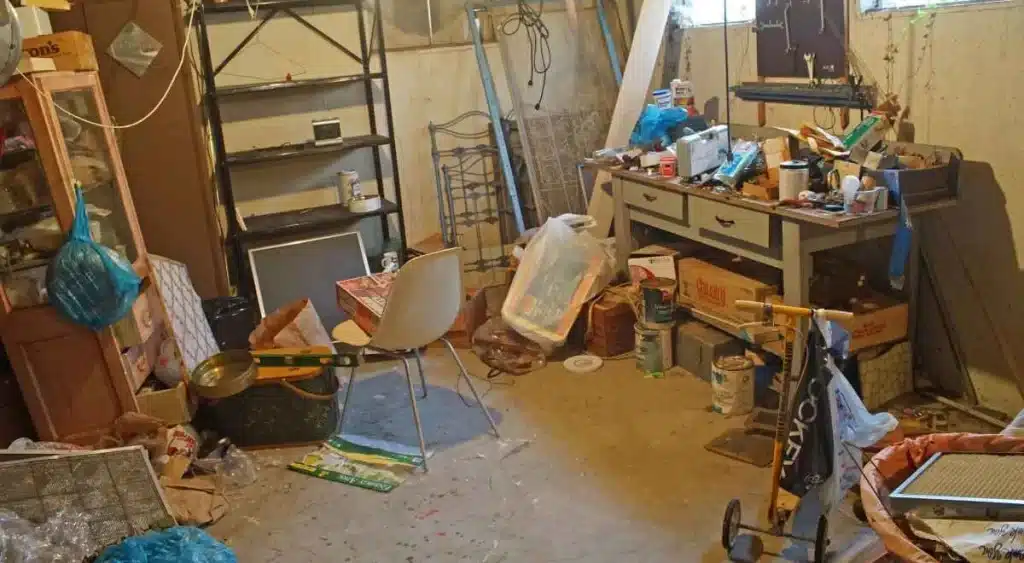
Walk through the rooms, walkways, entrances, stairs, and ceilings to understand the scale and condition of the property. Note where piles are tall, where floors look weak or wet, and which rooms cannot be entered at all. Take photos so you can plan the work and remember what you started with.
Identify Immediate Safety Hazards Around the Property
Look for unstable stacks, blocked exits, sharp objects, exposed wiring, structural concerns, and slippery surfaces. These hazards should be recognized before any cleanup starts, because a shifting pile or a hidden hole in the floor can cause serious injury.
Gather Protective Equipment for the Cleanup
Depending on conditions, you may need heavy gloves, eye protection, a mask or respirator when appropriate, sturdy closed-toe footwear, and protective clothing. Dusty or moldy spaces call for more protection than a lightly cluttered room. For more guidance, these cleanup safety tips explain how to protect yourself while working in a cluttered home.
Create Safe Access Routes Through the Home
Clear a path to entrances, exits, bathrooms, utilities, and work areas first. A controlled route makes it easier to carry items out, keeps emergency exits open, and reduces the chance of trips and falls.
Decide Which Areas Need Specialized Attention
Visible mold, suspected biological waste, heavy pest activity, hazardous materials, or severe contamination may require qualified professionals rather than ordinary cleaning. Mark these areas early and avoid disturbing them until you know how they will be handled.
How Should You Sort Items Before Removing Clutter?
Whenever the condition of the property allows it, sorting should come before disposal. A simple system keeps severe clutter cleanup organized and protects belongings that matter to the people who live there.
Separate Items That Need to Be Kept
Set aside personal belongings, important papers, sentimental possessions, photographs, valuables, and anything else that should not be discarded by accident. Hoarded homes often hide documents, cash, and keepsakes inside piles, so check boxes, bags, and pockets before removing them.
Create a Separate Group for Donations
Usable clothing, household goods, furniture, and other suitable items can be set apart for donation once their condition is checked. Items that are damp, moldy, or pest-damaged generally should not be donated.
Identify Items That Can Be Recycled
Paper, cardboard, metal, electronics, and other recyclable materials can be pulled aside instead of being mixed with general waste. If you are unsure how to divide these, this guide to recyclable household waste covers the common categories.
Set Aside Unwanted Items for Removal
Broken, unusable, or unnecessary possessions can be grouped for efficient clutter removal once important items are secured. Keeping this pile separate from the rest makes hauling faster and reduces mistakes.
Keep Uncertain Items Out of the Disposal Pile
If you are not sure about an item, place it in a temporary review area. Questionable belongings should not be discarded until their value or importance is understood, especially when the homeowner is still involved in the decisions.
What Safety Hazards Should You Check Before Cleaning?
Severe or extreme clutter can carry health and safety risks that ordinary cleaning never faces. Checking for them first tells you whether a normal cleanup approach is still appropriate.
Check for Mold and Excess Moisture
Visible mold, musty smells, leaks, and prolonged moisture can change the cleanup requirements and may call for specialized remediation. Do not brush or shake moldy items, since that can spread spores through the air.
Look for Pest Activity and Infestations
Watch for droppings, nests, insects, rodents, gnawed materials, and contaminated areas. Signs of infestation may require pest-control assistance before the clutter is moved.
Watch for Biological or Contaminated Waste
Bodily fluids, animal waste, heavily contaminated materials, and unknown biological substances should not be handled like ordinary household trash. They carry health risks and need trained handling.
Identify Chemicals and Other Hazardous Materials
Unknown chemicals, leaking containers, fuels, sharp materials, and other potentially hazardous substances need careful handling and appropriate disposal. Do not mix or open unlabeled containers.
Keep Exits and Critical Areas Accessible
Doors, windows, stairways, electrical panels, and heating equipment should stay safely accessible throughout the cleanup. Blocked exits are a serious danger if something goes wrong.
How Do You Remove Clutter From a Hoarded Home?
Once the property has been assessed and sorted, the actual removal can begin. Working systematically reduces unnecessary movement and keeps cleaned areas from filling up again. A hoarder house cleanout goes best when each step has a clear purpose.
Start With Clear Pathways and Essential Areas
Remove enough clutter to create safe movement before tackling harder storage areas. Open the main routes, the bathroom, and the kitchen first so the rest of the work is safer.
Work Through One Controlled Area at a Time
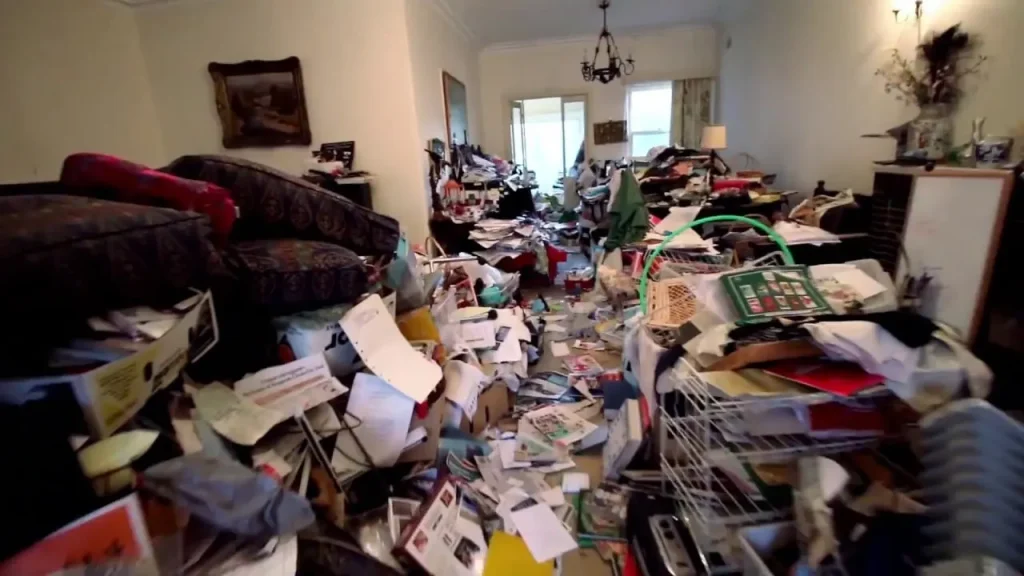
Room-by-room or zone-based removal keeps the cleanup from becoming chaotic. Finish one area, confirm it is clear, and then move on. This approach is also the backbone of extreme clutter cleanup on larger properties.
Move Sorted Items to Their Proper Destinations
Donations, recyclables, belongings, and disposal items should remain separated the entire time. Label bins or designate spots so nothing gets mixed back together during hauling.
Remove Heavy and Bulky Items Carefully
Furniture, appliances, and other large possessions call for safe lifting, clear pathways, and the right equipment, such as dollies or straps. Avoid lifting heavy items alone, and call for help with pieces on stairs or in tight spaces. Many families choose hoarding house cleanout services for this stage because the physical work is so demanding.
Complete a Final Clutter Check Before Cleaning
Revisit corners, cabinets, closets, spaces under furniture, and storage areas to find remaining clutter. Sanitation should not begin until the last of the clutter is out, or cleaned surfaces will only be covered again.
How Should You Handle Waste and Hazardous Materials?
Waste sorting matters even more in a hoarding cleanup than in a typical cleanout, because not everything in the home is ordinary household waste. Separating materials correctly protects the people doing the work and keeps dangerous items out of the regular trash stream.
- Ordinary household waste: Packaging, paper, and broken household goods can usually be bagged and removed as regular trash.
- Recyclables: Cardboard, metal, glass, and clean paper should be kept apart from general waste where local programs accept them.
- Biological waste: Bodily fluids, animal waste, and heavily soiled materials need trained handling and should not be moved by untrained helpers.
- Hazardous materials: Paint, solvents, fuels, batteries, and unknown chemicals often require a designated disposal site.
- Contaminated belongings: Items soaked with waste, mold, or pest residue may need to be discarded rather than saved.
Do not try to handle biological waste or unknown chemicals yourself just to finish sooner. When you are unsure what something is or how dangerous it may be, treat it as hazardous, keep it separate, and ask a qualified professional or your local waste authority how to dispose of it.
When Is Professional Hoarding Cleanup Necessary?
Some situations are too risky or too large for a family to manage alone. Severe clutter, contamination, structural concerns, pest infestations, mold, hazardous materials, and homes that cannot be safely entered are all signs that professional hoarding cleanup is the better choice. Professional cleaners and specialized teams bring training, equipment, and procedures that ordinary cleaning cannot match.
Consider Professional Help for Severe Clutter
When the volume of belongings makes ordinary household cleaning impractical or unsafe, trained crews can work faster and with fewer injuries. They also know how to move through unstable piles.
Use Specialists for Biological Contamination
Biological waste and heavily contaminated areas may require trained professionals who follow proper procedures and use appropriate equipment. This is not a job for household gloves and paper towels.
Bring in Qualified Help for Mold or Pests
Mold remediation and pest control often involve specialized services beyond standard hoarding cleanup. Address these before or alongside clutter removal so the problem does not return.
Get Assistance With Hazardous Materials
Unknown chemicals, dangerous substances, and other hazardous materials should not simply be placed in ordinary trash. Professionals can identify them and route them to the correct disposal channels.
Choose a Cleanup Team for Large Property Projects
For extensive projects, professional hoarding cleanup can coordinate sorting, removal, hauling, sanitation, and final cleanup in one plan. That saves the family from managing several vendors during an already stressful time.
How Long Can a Hoarder House Cleanout Usually Take?
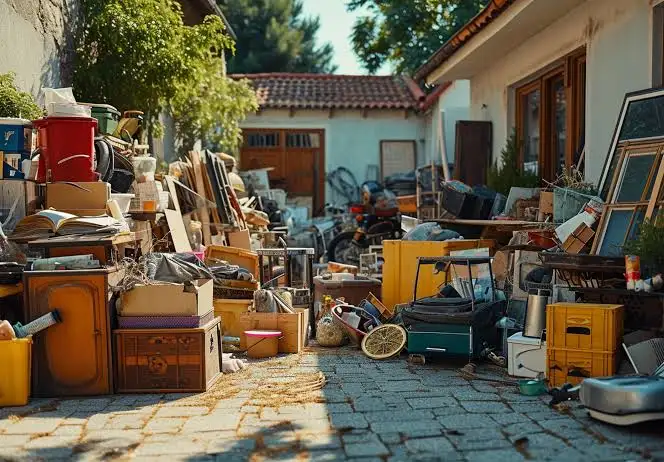
There is no universal timeline for a hoarder house cleanout. A small cluttered apartment may take a day or two, while a severely hoarded home can take days or even weeks. The difference comes from property size, clutter volume, the number of rooms affected, how severe the conditions are, whether contamination is present, how many sorting decisions have to be made, disposal requirements, and whether professionals are involved.
A property with light to moderate clutter is a very different project from one where rooms are full from floor to ceiling and walkways have disappeared. It helps to get an assessment before setting a schedule. Because the size of the crew and the length of the job both affect price, it also helps to understand typical hoarding cleanup costs before you commit to a plan.
What Should You Avoid During a Hoarding Cleanup?
Some common mistakes make the job more dangerous and less efficient. Careful planning reduces most of them.
- Rushing. Hurrying leads to missed hazards, lost belongings, and injuries.
- Working without protective equipment. Gloves, eye protection, and proper footwear are basic requirements, and respiratory protection may be needed in dusty or moldy spaces.
- Disturbing contaminated materials. Moving soaked, moldy, or waste-covered items can spread contamination.
- Mixing sorted belongings. Once keep, donate, recycle, and discard items are combined, the sorting work is wasted.
- Blocking exits. Piling bags or bins in doorways and hallways creates new hazards.
- Attempting hazardous work without expertise. Biological waste, mold, and unknown chemicals need trained handling.
How Do You Sanitize the House After Clutter Removal?
Removing clutter does not make a home clean or sanitary. Dust, odors, residue from pests, hidden moisture, and stained surfaces are often left behind once the piles are gone. Hoarding house cleaning and sanitation follow clutter removal and should be treated as a separate stage.
Standard cleaning is appropriate for surfaces that are not contaminated, such as dusty shelves, countertops, and floors. Areas with biological waste, heavy pest residue, or mold may need specialized remediation instead. If the odor or contamination is severe, treat the space as a professional job. A sensible order looks like this:
- Ventilate the home by opening windows and using fans when it is safe to do so.
- Remove dust from ceilings, vents, walls, and shelves before cleaning floors.
- Clean and disinfect kitchens, bathrooms, and other high-contact surfaces.
- Address pest residue and droppings using appropriate protective gear or a pest-control provider.
- Inspect for mold and moisture, and call a remediation specialist if either is found.
- Deal with lingering odors last, since they often fade once sources are removed.
How Does Hoarding Cleanup Differ From House Cleaning?
Ordinary house cleaning is about maintaining a livable space. A hoarding property cleanup is a much larger project that involves safety planning, sorting, waste handling, and often specialized help. The table below shows the main differences.
| Factor | Ordinary House Cleaning | Hoarding Property Cleanup |
| Clutter volume | Light to moderate | Severe, often room-filling |
| Safety assessment | Rarely needed | Required before starting |
| Sorting | Minimal | Detailed sorting of belongings |
| Waste handling | Standard household trash | Separated waste, recyclables, and hazardous items |
| Protective equipment | Basic gloves, if any | Gloves, eye protection, respirators, sturdy footwear |
| Sanitation | Routine cleaning | Deep sanitation, possible remediation |
| Hazardous materials | Uncommon | Possible chemicals, biological waste, mold |
| Professional involvement | Optional | Often recommended |
The table shows why the two are not interchangeable. A cleaning routine works when a home is basically in order. A hoarding cleanup starts with safety and planning, then moves through removal and sanitation in stages.
How Can You Clean a Hoarder House More Efficiently?
A large cleanup stays manageable when it is organized. Preparation comes first: gather bags, bins, gloves, and labels before starting, and decide who will be involved. Work in zones so that one area is fully finished before the next begins, which makes progress visible and prevents scattered effort.
Labeled sorting areas keep keep, donate, recycle, and discard items from mixing. Scheduled removal, such as regular trips to a donation center or planned pickups, stops bags and bins from piling up again inside the house. Progress checks at the end of each day help you spot missed items and adjust the plan. Families managing the project themselves should also agree on roles, take breaks, and treat the homeowner with respect throughout, since the process can be emotionally difficult.
What Should You Avoid After the Main Clutter Is Gone?
A cleanup is not finished just because the rooms look empty. Sanitation, hidden waste, mold, pests, and damaged areas can remain after the piles are removed, and skipping them can bring the problem back. A room that looks clear may still have contaminated flooring, damp walls, or pest activity behind furniture.
Check spaces that were inaccessible before, such as behind large furniture, inside closets and cabinets, under beds, and in corners that were buried for years. Look for soft floors, water stains, and odors, and address damage before calling the job complete. Rushing to declare the cleanup done can leave hazards in place that only show up later.
How Can You Maintain a Clean Home After Cleanup?
Maintaining the home after an extreme clutter cleanup helps prevent the same conditions from developing again. The goal is practical habits, not perfection. Realistic organization, regular disposal, scheduled cleaning, accessible storage, and early action when clutter starts to build up all make a difference.
Set a simple routine, such as taking out trash and recycling weekly, and give belongings clear homes so they do not spill into walkways. Choose storage that is easy to reach rather than deep or hidden, and check in periodically so small piles do not grow. Long-term change is easier with support, and learning more about understanding hoarding disorder can help families respond with patience rather than pressure. If clutter begins to return, reach out early to a trusted family member, counselor, or cleanup provider.
Final Thoughts on Cleaning a Hoarder House Safely
The safest approach to cleaning a hoarder house is to assess hazards, prepare protective equipment, establish access, sort belongings, remove clutter, separate waste, address contamination, and sanitize the areas that need it. Each step protects the people doing the work and the belongings that matter, and skipping ahead usually creates more problems than it solves.
Mold, pests, biological waste, hazardous materials, and serious sanitation problems can require specialized professionals, and trained cleaners are valuable when the property is severely cluttered or unsafe to handle independently. Safety should come before speed, so avoid rushing just to finish faster. If you need help with a large-scale hoarding cleanup or a hoarder house cleanout, contact a professional team such as Explicit Junk Services to discuss the property and plan the next step.
FAQs About Cleaning a Hoarder House Safely
This section addresses common practical concerns readers may still have after reviewing the cleanup process. The questions focus on safety, equipment, sorting, professional assistance, timing, and difficult cleanup conditions.
Heavy-duty gloves, eye protection, sturdy closed-toe footwear, and protective clothing are the basics. Dusty, moldy, or contaminated spaces may also require a properly fitted respirator. The right level depends on conditions, so assess the home before choosing gear.
Avoid handling them with bare hands, and do not shake or scatter them. Heavily contaminated items are often discarded, and a professional can advise on anything that may be salvageable.
Small, surface-level spots may be manageable with proper protection, but widespread mold or mold tied to moisture problems usually needs a remediation specialist. If you are unsure how far it has spread, call a professional.
Stop, keep the material separate, and do not mix or open unknown containers. Contact your local waste authority or a qualified cleanup provider to arrange safe disposal.
Look for clear exits, stable floors, working access to the entrance, and no signs of severe contamination, strong fumes, or structural damage. If you see any of these problems, wait for a professional assessment before going in.