
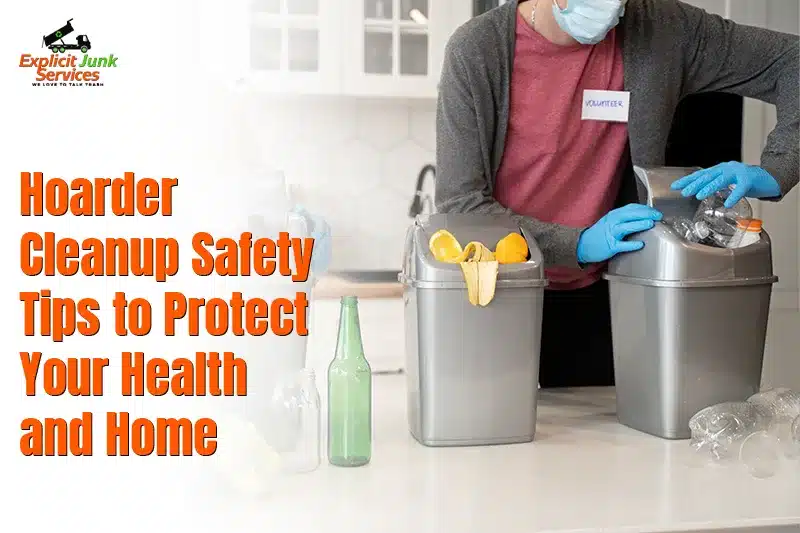
Entering a severely cluttered home can be risky when hidden hazards are not known. These hoarder cleanup safety tips can help you recognize dangers before moving anything. Mold, pests, sharp objects, unstable piles, blocked exits, waste, and unknown materials may all create health or safety concerns.
Safe cleanup starts with a careful property assessment. Protective equipment, controlled removal, proper waste handling, sanitation, and good air control all matter. Some conditions also require professional help. Knowing when to stop DIY work can protect both people and the property.
Why Hoarder Cleanup Requires More Than Cleaning

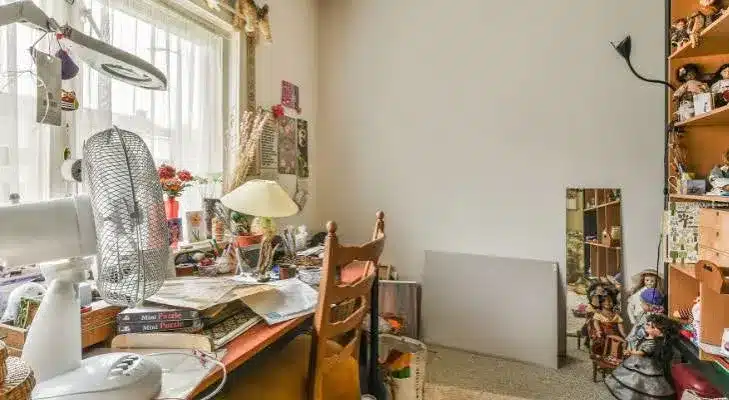
A hoarded property can contain more than ordinary household clutter. Heavy piles may hide sharp objects, pests, mold, damaged flooring, or contaminated materials. Blocked doors and narrow pathways can also create serious safety concerns. When dealing with a severely cluttered commercial property cleanout, a careful assessment should be completed before removing items or disturbing unstable areas.
This is why a hoarder house cleanup should begin with an assessment. Understanding the health hazards first helps determine which areas can be cleaned safely and which areas need professional attention.
How to Identify Health Hazards Before Cleanup Begins
Start with a careful walkthrough without disturbing unstable piles. Look for mold, unusual odors, pest activity, animal waste, sharp objects, chemical containers, water damage, and signs of structural problems. Pay close attention to blocked exits and damaged floors. If you find unknown chemicals, major contamination, or unsafe structures, stop and seek professional guidance before continuing. For properties where cleanup involves significant debris or discarded materials, commercial junk removal may be needed after hazardous items have been properly identified.
Pay close attention to blocked exits and damaged floors. Some hazards may remain hidden beneath clutter. If you find unknown chemicals, major contamination, or unsafe structures, stop and seek professional guidance before continuing.
Protective Gear That Makes Hoarder Cleanup Safer
Protective equipment can reduce contact with dust, debris, contaminated surfaces, and other hazards. However, the right protection depends on the conditions found inside the property. Basic gear does not make every cleanup safe. For a home with extensive accumulation, residential junk removal can help with the controlled removal of ordinary household debris after hazardous materials have been separated.
Respiratory and Eye Protection for Airborne Hazards
Dust and mold particles can become airborne when clutter is moved. Suitable respiratory and eye protection can reduce exposure. The correct protection depends on the type and level of contamination present.
Gloves, Clothing, and Foot Protection for Debris
Gloves can help protect hands from dirty surfaces and sharp debris. Protective clothing can reduce skin contact. Sturdy closed footwear can also help protect against objects on floors.
When Basic Protective Gear Is Not Enough
Basic protective equipment cannot solve every hazard. Extensive mold, biohazard contamination, unknown chemicals, sharps, or serious structural problems may require trained professionals with specialized equipment and procedures.
How to Handle Heavy Clutter Without Creating New Risks
Heavy clutter should never be pulled down quickly from unstable piles. Items can fall unexpectedly and cause injuries. Moving large objects can also create strain or expose hidden hazards.
Work areas should maintain clear paths and exits whenever possible. If furniture is unstable or piles appear likely to collapse, avoid disturbing them. Professional crews can assess difficult areas and use suitable equipment when needed.
How to Handle Different Hazards During Cleanup
Different hazards require different responses during cleanup. Treating every item as ordinary household waste can increase exposure and disposal risks. Careful identification should come before removal. When cleanup involves belongings from a deceased person’s property, estate cleanouts may require additional care when sorting personal possessions, documents, valuables, and potentially contaminated materials.
Handling Mold and Suspected Biological Contamination
Visible mold, feces, urine, or decaying materials can create contamination concerns. These conditions may require specialized cleaning and remediation. Avoid disturbing heavily contaminated areas until the appropriate professional assessment is completed.
Handling Sharps, Chemicals, and Unknown Materials
Needles, broken glass, chemical containers, and unidentified substances should not be handled casually. Do not place unknown or hazardous materials into ordinary household trash. Contact appropriate local or professional disposal services for guidance.
Handling Pest Infestations and Animal Waste
Rodents, insects, nests, droppings, and animal waste can create additional health concerns. Pest control may need to happen before extensive cleaning. Specialized cleanup may also be needed when contamination is widespread.
Handling Water Damage and Structural Concerns
Leaks, damaged ceilings, weakened floors, exposed wiring, and other structural problems can make cleanup unsafe. These issues should be assessed before extensive clutter removal continues. The right specialist can determine what repairs are needed.
How to Improve Air Quality During Hoarder Cleanup
Moving large amounts of clutter can release dust and other particles into the air. Controlled removal can reduce unnecessary disturbance. Work areas may also need separation from clean areas when contamination is suspected.
Ventilation can help in some situations, but opening windows is not always enough. Severe mold or contamination may require professional air control and remediation. Respiratory protection should match the hazards present.
A Safer Step-by-Step Hoarding Cleanup Process
A safe cleanup should move slowly and follow a clear order. Rushing can increase exposure and create new hazards. Each stage should include a safety check before the next one begins.
Assess the Property and Establish Safe Zones
Identify hazards before moving items. Establish clear pathways and accessible exits. Mark areas that should not be entered until they are assessed. Determine whether specialists are needed before cleanup starts.
Remove Clutter While Maintaining Safe Access
Remove items in a controlled way without pulling unstable piles down. Keep pathways open as work progresses. Avoid unnecessary lifting when objects are heavy, awkward, or contaminated.
Separate Ordinary Waste From Hazardous Materials
Ordinary debris should not be mixed with hazardous materials. Keep potentially dangerous items separate and follow appropriate disposal guidance. Some waste requires specialized handling rather than regular trash collection.
Clean and Decontaminate Appropriate Surfaces
Ordinary cleaning may be enough for some surfaces. Contaminated areas may require sanitation or professional decontamination. Always use cleaning products according to their labels and avoid mixing products.
Inspect the Property Before Final Restoration
A final inspection should check for remaining contamination, odors, moisture, pests, damaged surfaces, and other concerns. Restoration should begin only after the property is considered safe for the next stage.
How to Use Cleaning Products Safely During Cleanup

Cleaning chemicals can create their own risks when used incorrectly. Never mix different cleaning products unless the product directions specifically allow it. Some combinations can release dangerous fumes.
Follow the label directions for use, storage, and ventilation. Keep cleaning products away from children and pets. If an unknown chemical is found, do not assume it can be safely cleaned or discarded with regular waste.
How to Approach Sanitation After Clutter Removal
Removing clutter is only one part of restoring a hoarded property. Surfaces may still contain dirt, odors, mold, waste, or other contamination. The cleaning method should match the condition of each area.
Some surfaces may need normal cleaning. Others may require disinfecting or specialized treatment. Severe contamination may need professional sanitation services. Proper cleaning can also support better long-term property maintenance.
Safe Disposal Methods for Hoarding Cleanup Waste
- Ordinary household debris: Regular disposal may apply when materials are not hazardous.
- Recyclable materials: Separate suitable paper, cardboard, metal, and other recyclable items.
- Electronics: Use appropriate electronic recycling programs where available.
- Bulky furniture: Arrange suitable disposal or junk removal services.
- Sharps: Use approved disposal options rather than ordinary household trash.
- Chemical or hazardous materials: Follow local hazardous waste guidance.
- Biohazard-contaminated materials: Use specialized disposal services when required.
DIY Cleanup or Professional Hoarder Remediation
The right approach depends on the property’s condition. Light clutter without visible hazards may be manageable for some homeowners. Severe contamination, structural problems, or dangerous materials require a much more careful response. Professional hoarder cleanouts can be appropriate when accumulation, contamination, unstable piles, or other hazards make ordinary cleanup unsafe.
| Situation | DIY Approach | Professional Help |
| Light clutter with no visible hazards | May be manageable | Optional |
| Heavy unstable clutter | Higher physical risk | Recommended |
| Visible mold or major contamination | Limited suitability | Recommended |
| Biohazard waste or sharps | Not appropriate for casual handling | Strongly recommended |
| Structural or electrical concerns | Not appropriate | Required specialist evaluation |
| Severe pest infestation | Limited effectiveness | Pest and cleanup specialists |
Common Safety Mistakes That Make Cleanup Dangerous
- Starting without a hazard assessment: Hidden risks may be missed before cleanup begins.
- Using unsuitable protection: Basic equipment may not protect against serious contamination.
- Pulling unstable piles quickly: Falling objects can cause injuries.
- Mixing cleaning chemicals: Some combinations can create dangerous fumes.
- Treating unknown substances as normal waste: Unidentified materials may require special handling.
- Blocking exits with removed clutter: Poor organization can create new access and fire risks.
- Ignoring mold or pests: These problems can spread or worsen during cleanup.
- Continuing after serious hazards appear: Major contamination or structural risks require professional evaluation.
How Long a Hoarder Cleanup Usually Takes to Complete
There is no fixed timeline for every property. A small cluttered home may take far less time than a large property with heavy accumulation, contamination, pests, or damaged areas.
The hoarding cleanup process can also include sorting, disposal, sanitation, repairs, and restoration. These additional stages may extend the project. Safety should remain the priority rather than trying to finish as quickly as possible.
Final Thoughts on Safer Hoarder Cleanup Practices
Hoarder cleanup safety begins with identifying hazards before disturbing the property. Protective equipment, controlled removal, proper waste disposal, sanitation, and air-quality control all play important roles. Moving too quickly can increase both health and physical risks. Explicit Junk Services can help support a more organized cleanup process when professional removal is needed.
Severe contamination, dangerous materials, structural concerns, or major pest problems can make DIY cleanup unsuitable. If the property exceeds safe DIY conditions, contacting a professional hoarder cleanup or remediation service can provide a safer path toward restoring the home.
Frequently Asked Questions About Hoarder Cleanup Safety
Hoarder cleanup safety tips can involve serious health and property concerns. These questions cover protection, hazards, waste, and professional help. Use them to understand safe cleanup practices better.
Check for mold, pests, sharp objects, blocked exits, unstable piles, chemicals, damaged flooring, exposed wiring, and other health or safety hazards first.
Use suitable gloves, protective clothing, sturdy footwear, eye protection, and appropriate respiratory protection based on the specific hazards found inside.
Hoarded homes may contain mold, bacteria, pests, animal waste, sharp objects, poor air quality, chemicals, allergens, and contaminated surfaces that increase health risks.
Hazardous waste should be separated from regular trash and handled through approved disposal services that follow local safety and environmental requirements.
Yes. Professional cleanup can reduce dust, mold, odors, allergens, and contaminated materials while using suitable cleaning methods and equipment for safer indoor air.