
Why Floor Protection Matters
Floors face constant pressure from heavy use and daily movement. Over time, even strong floors like tile or hardwood lose their smooth shine. Scratches and dents appear faster when there is no guard between the shoes and the surface. These small marks may seem minor, but they can lead to deep damage if left alone. Learning how to care for your floors early helps you get a guide to avoid floor damage and reduce costly repairs.
This quick guide helps you stop floor harm before it starts. You will find simple steps that fit daily home needs. Clean often and place mats where dust collects each day. Add pads below heavy items to stop marks or dents fast. Each short tip from our light demolition project guide helps keep your floors neat, strong, and clean.
Identify Common Causes of Floor Damage
Understanding the Problem is Step One
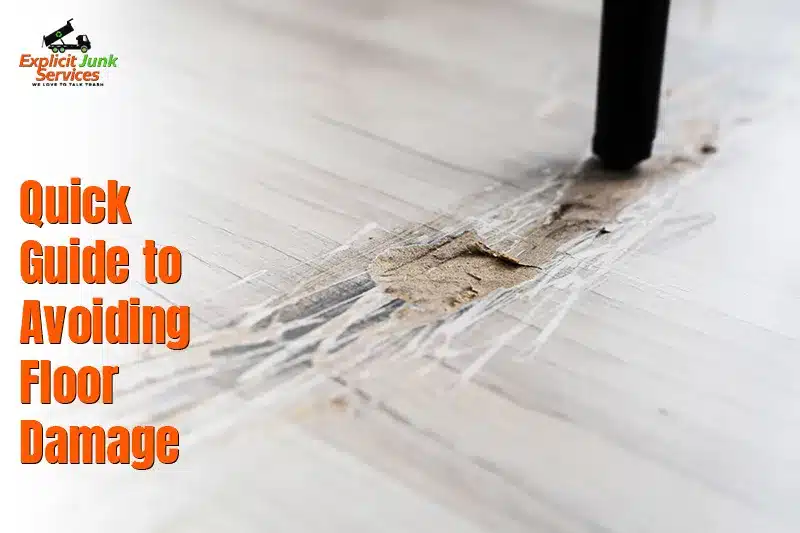
Dragging furniture or appliances without pads can quickly harm floors. Always lift items or use pads below each leg to stop marks. Sliders keep the surface smooth and help you move safely. These small habits give a long life and a clean look in your floor damage prevention plan.
High foot traffic in entryways or hallways wears down the shine. Dirt from shoes scrapes each step and dulls the coat. Use rugs to trap soil before it spreads on the floor. Clean daily and rotate mats often to hold bright, strong floors.
Water spills and moisture cause deep harm to wood and tile. Wipe every drop right away and dry the area fast. Add mats near sinks and pet bowls to block stains. Balanced air helps stop warping and keeps surfaces fresh each day.
Dropped items cause dents and chips that spread with time. Hold tools firmly and place them gently on pads when in use. A small cloth or rubber mat below work areas helps guard fragile tiles. Repair dents early to stop deeper cracks later.
Construction debris during renovation cuts floors and dulls finishes. Always cover the area with ram board or strong sheets before work starts. Sweep often to keep dust low and edges clean. These steps, combined with Professional construction debris removal, protect all surfaces and build strong floor damage prevention habits.
Use Proper Floor Protection During Moving
Move Heavy Items Without Leaving a Mark

Always lift furniture, not drag it, to avoid deep marks. Even one drag can scratch and harm your floor’s surface badly. Ask a friend or use lift tools when moving large objects. Lift slow to keep control and balance while working carefully.
Place furniture sliders, felt pads, or soft blankets under each item. These small tools share weight evenly and stop dents or marks fast. Pads help corners stay smooth and firm during long moves. This plan shows how to protect floors during moving heavy items, methods that feel simple and sure.
Move heavy appliances on rubber-wheeled dollies only, never on metal wheels. Hard wheels can scratch and tear your floor coat in seconds. Clean every wheel before rolling and check for trapped grit inside. Go slow and steady to stop quick slides that might hurt the floors.
Lay thick cardboard or floor sheets across walking paths before you move. This layer blocks dents and holds dust while you lift items. Tape edges softly so they stay flat and never cause trips. Clean paths once done to clear leftover grit or dust marks. These calm steps support how to protect floors during moving heavy items with ease and care.
Protect Floors During Renovation or Construction
Prevent Scratches and Debris Damage
Use ram board or drop cloths for full cover. These sheets stop scratches and trap sharp dirt before it spreads. They help you work safely and keep each area neat. Always place them flat so there are no folds or loose ends. Clean and reuse boards to keep waste low and floors clean.
Tape edges tightly without harsh glue that peels floor coats. Choose gentle tape that sticks firm but lifts off smooth. Press down the sides to block dust from sliding under. This keeps each board steady and your space clear from harm.

Sweep or vacuum daily to stop grit and small dust lines. A quick clean each day prevents deep marks and dull color. Always start from the corners and move slow in straight rows. Small daily care steps keep your plan clear and steady.
Lay foam underlayment under ladders or scaffolding to block dents. This soft base guards the spot from weight and drop hits. Keep ladders balanced and avoid sudden moves that shake dust loose. These habits show how to protect floors during renovation and keep your floor firm throughout the work.
Choose the Right Furniture Pads and Mats
Small Accessories, Big Protection

Place felt pads under all furniture legs to stop scratches. Pads reduce friction and help each table move smoothly. They hold steady weight and protect from daily wear marks. These soft guards add years to your flooring’s life and finish.
Use entryway mats to trap dirt before it spreads. Shoes carry dust that cuts surfaces fast when left unchecked. Thick mats near doors stop grit and lower cleaning work. They form the first line of defense in your floor care plan.
Add rubber-backed rugs in busy halls or high-use rooms. These rugs hold firm and block dents from steady footsteps. They also stop items from sliding or bumping into walls. Clean rugs often to keep grit from building below the surface.
Replace worn pads when they flatten or lose shape under load. Fresh pads grip better and guard against sharp leg edges. A simple pad change protects floors and saves from costly repair. These small actions help you protect floors from damage in every room.
Prevent Water and Moisture Damage
Keep Floors Dry and Stable

Wipe spills right away, especially on laminate floors. Even a small spill can leave marks that grow worse later. Use soft, dry cloths to soak up water and stop damage. These small steps help you learn how to protect wood floors from damage each day.
Use humidifiers to control air levels inside the home. Dry air can shrink floors, while too much moisture causes swelling. Keep your home balanced with simple air checks often. This keeps your floor firm and clean throughout every season.
Place waterproof mats near sinks or houseplants. These mats trap water and block spills from spreading. Wash and dry mats weekly to stop mold build-up.
Seal grout lines often to stop water from seeping below tiles. A thin coat once a year keeps tiles strong and bright. Use a soft brush and mild cleaner before sealing. This easy care keeps floors neat, dry, and safe from cracks.
Avoid Scratches and Dents from Foot Traffic
Little Habits That Make a Big Difference

Use indoor slippers to stop grit and sharp dirt. Tiny grains scrape floors and cause dull spots with time. Keep soft slippers near doors to protect delicate surfaces. These habits show how to avoid floor scratches and dents in simple ways.
Add rugs in halls and doorways to trap small bits of dust. Mats catch grit before it spreads across your rooms. Choose non-slip rugs to stay firm during daily foot use. This simple step supports your plan for how to avoid floor scratches and dents with care and ease.
Trim pet nails often to prevent light marks from playful runs. Pets move fast and sometimes leave tiny scratches on the floor. Use soft caps or careful clipping to guard delicate surfaces. Clean the area after trimming to keep your home fresh.
Avoid high-heeled shoes on floors made from wood. The narrow heel presses hard and makes small dents quickly. Keep indoor flats near doors for easy change when coming home. These short habits protect floors and stop dents before they grow.
Floor Protection Materials to Consider
Know Your Options for Every Surface Type
Different floor types need unique care to stay strong and bright. Picking the right protection material stops cracks, marks, and dull spots early. It also saves money by lowering the need for frequent repair work. Understanding what fits your home’s floors helps prevent damage before it begins.
| Floor Type | Best Protection Material | Notes |
| Hardwood | Felt pads, rugs, sliders | Avoid water exposure |
| Tile | Rubber mats, floor runners | Seal grout annually |
| Laminate | Foam underlayment, carpet film | Prevent water spills |
| Vinyl | Plastic sheeting, soft wheels | Keep sharp edges away |
| Stone | Ram board, rugs, rubber backing | Avoid acidic cleaners |
Each material offers a layer of safety suited for its floor type. Felt pads and rugs protect hardwood while keeping the finish smooth. Rubber mats and runners help tile stay strong and free from chips. Every small choice builds a better plan for floor protection ideas that fit your needs.
Keeping these materials ready ensures you act fast when risk appears. With steady care, these tools help preserve color, shine, and strength. They make cleaning simple, and your home looks well cared for year-round.
Daily Floor Care Habits
Consistency Keeps Floors Damage-Free
Sweep daily to keep dirt away from your floor. Small bits of dust can cut and dull the surface fast. Clean often with calm moves and use soft tools for care. These small habits build real floor damage prevention tips that help your space stay fresh.
Avoid harsh cleaners that harm color or coat over time. Mild pH cleaners clean well and protect the floor’s shine. Use soft mops to keep the top layer smooth and neat. A slow clean keeps beauty longer and holds value each day.
Inspect your floors often for cracks or small dents. Fix tiny flaws before they grow or cost more to fix. Use filler or polish to keep the coat strong and clear. This easy work helps floors stay steady through each season.
Rotate rugs and furniture to share use in each space. Heavy use in one spot can fade the top coat fast. Move items slowly to let air and light reach each part. This easy step keeps floors clean, bright, and balanced for years.
Protect Floors During Seasonal Changes
Temperature and Humidity Affect Floor Health
Maintain a steady indoor temperature through all seasons and times. Sudden heat or cold changes can make floors warp or crack fast. Use small fans or thermostats to check and control each room. These daily steps support your ways to prevent floor damage through balance and care.
Use humidifiers in winter and dehumidifiers during wet months. Cold air dries wood, while humid air makes it swell and bend. Keep each device clean and check water levels for better results. Stable air keeps every surface firm, smooth, and free from stress.
Avoid strong sunlight that fades and weakens floors over time. Use blinds or mats to block harsh rays during the day. Move rugs often so the color tone stays soft and even. These acts show smart ways to know how to prevent floor damage with daily effort and focus.
Eco-Friendly Floor Protection Tips
Sustainable Ways to Protect Surfaces
Use reusable floor protection materials that last through many projects. These items reduce waste and help your floors stay smooth and strong. Wash and store them well for future use each season. These daily choices show how eco-friendly floor protection keeps your home clean and safe.
Choose eco felt pads and natural fiber rugs for cleaner living. Felt pads guard from dents while staying soft on every surface. Natural rugs breathe well and trap dust without chemicals. They bring warmth and calm care to each room in your home.
Recycle old cardboard or mats once the job is done. This helps reduce clutter and gives new life to used items. Cut and reuse sheets for painting or home crafts later. Each mindful step helps build better eco-friendly floor protection that supports a healthier planet.
Quick Comparison — Best Floor Protection Methods
Protecting floors needs simple tools that match each task or space. This chart gives you quick choices for daily life and large projects. It helps you plan smarter and act faster when risk appears. Using these guides lets you work safe and save repair costs later.
| Scenario | Best Solution | Cost | Notes |
| Moving Heavy Furniture | Sliders, blankets | Low | Avoid dragging |
| Renovation | Ram board, plastic film | Medium | Secure edges |
| Daily Foot Traffic | Rugs, mats | Low | Clean weekly |
| Pets | Nail trims, rugs | Low | Protects wood & vinyl |
| Moisture Areas | Waterproof mats | Low | Prevent water damage |
These rows show how each step protects floors from harm and wear. Each item listed here has been proven to give real results fast. Keep these tools near and ready before you start any project. They save time, reduce stress, and provide good care with ease.
Understanding this chart helps you find a balance between cost and use. Picking the right option for each room builds cleaner, safer homes. These choices are lasting floor protection ideas that help floors stay firm and neat all year.
Conclusion
Protect Floors Today — Save Repair Costs Tomorrow
Taking small steps each day helps your floors stay strong and bright. Use pads and mats under furniture to block marks and dents. Soft tools help you clean well without harming the surface coat. These slow habits show a clear guide from Explicit Junk Services to avoid floor damage that works long term.
Regular cleaning helps stop dirt from scratching. Inspect each room often to spot wear before it spreads. Repair small flaws early to save time and avoid costly fixes. Every minute spent caring adds years to your floor’s life.
Ready to protect your floors? Start with simple pads, mats, and smart cleaning habits today. A few mindful choices can guard your home and bring calm care daily.
FAQs
Common Questions About Floor Damage Prevention
Use soft felt pads below furniture to guard against sharp marks. Clean floors often with mild tools and avoid dragging chairs.
Cover all floors with ram board or light plastic sheeting for protection. Work dust and small tools can scratch or dull polished surfaces fast. Sweep and check each corner often to stop hidden dirt build-up. Clean covers daily and hold firm edges to keep your space safe.
Yes, sealing creates a layer that blocks water and helps shine last. Wax adds a soft glow and keeps the surface easy to wipe clean. Always read the brand guide before applying any sealant. This slow step keeps your floors neat and bright through every season.
Change pads every six months or when they start to flatten. Worn pads lose grip and may let edges dig into surfaces. Check them during cleaning to keep protection strong and smooth. New pads cost little but save you from large repair costs later.
Lift heavy pieces instead of dragging them across the room. Use sliders, blankets, or mats below corners and sharp sides. Move at a calm pace to avoid slips and quick scratches. These simple acts show sure ways to prevent floor damage during moving days.