
Clearing an entire home after a major life event is one of the hardest jobs a family can face. Every room holds years of belongings, and each drawer, closet, and shelf can hide something that matters. Many people freeze at the size of the task, not sure where to start or what can safely be thrown away.
If you are asking what an estate cleanout is, it is the organized process of going through a property’s contents and deciding what to keep, distribute, donate, remove, or dispose of. It involves more than hauling away unwanted possessions, because belongings must be identified, sorted, and protected first. This guide explains what happens during a complete estate property cleanout, from the first assessment to the final walkthrough.
What Is an Estate Cleanout and Why Is It Needed?
An estate cleanout is the full clearing of a home and its contents, usually after the owner has passed away, moved to care, or transferred the property. It differs from ordinary decluttering because the volume is larger, the decisions carry more weight, and some items may have legal, financial, or sentimental importance. A weekend closet purge is a personal choice. A home estate cleanout often involves several people, deadlines, and property that is not entirely yours to decide on alone.
Common situations include inheritance, a move to assisted living, downsizing, a property sale, or preparing a house for rental or renovation. Each one brings emotional, logistical, and practical decisions at the same time. Families may be grieving while also managing keys, schedules, and out-of-town relatives. That is where estate cleanout services can help, since a trained crew can take on the physical work of a large-scale property clearance while the family focuses on the decisions only they can make.
How Does the Estate Cleanout Process Begin?
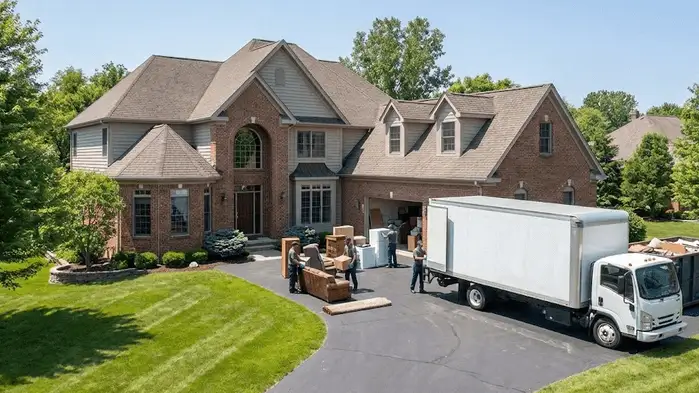
The estate cleanout process starts with planning, not with removal. Before anything leaves the house, you need to understand what the property contains, what has to be protected, and how much time you have. Planning first prevents important belongings or documents from being removed by accident.
Assess the Property and Its Contents First
Walk through the entire property, including the main living areas, garage, basement, attic, storage spaces, and outdoor areas. This gives you a realistic view of the scope and helps you judge how many people, how much time, and how much truck space the job will need.
Identify Important Documents and Valuables
Financial records, legal paperwork, identification, photographs, jewelry, collectibles, and other valuables should be located before general removal begins. These items are easy to overlook in desks, coat pockets, old books, and storage boxes.
Separate Personal Belongings for Family Members
Group belongings that relatives or other authorized individuals may want before any donation or disposal decisions are made. Labeling boxes by person keeps things organized and reduces disagreements later.
Create Clear Categories for Remaining Items
Sorting goes faster when every item has a clear destination. Useful categories include keep, distribute, donate, recycle, sell, and remove. A printable estate cleanout checklist can help you track each category room by room so nothing is missed.
Plan the Property Preparation Timeline
Deadlines for selling, renting, transferring, or preparing the property can shape the schedule. A closing date or lease start may mean the cleanout has to be done in days rather than weeks, so set a timeline that matches the property’s next purpose.
Which Belongings Should Be Handled With Care?
Not everything in an estate home is clutter. Some belongings need more attention than ordinary household items, and an estate cleanout should never begin with indiscriminate removal. Reviewing sensitive items first is the best way to reduce accidental loss and confusion.
Protect Family Heirlooms and Sentimental Items
Inherited furniture, photographs, artwork, keepsakes, and other meaningful belongings should be identified before general sorting starts. Once these items are set aside, the rest of the cleanout is less stressful.
Secure Important Documents Before Clearing Rooms
Wills, deeds, financial paperwork, insurance records, tax documents, certificates, and other records may need to be preserved. Check desks, filing cabinets, safes, and even kitchen drawers, where papers are often stored.
Separate Valuables Before General Removal Begins
Jewelry, collectibles, antiques, cash, electronics, and other potentially valuable items deserve individual attention. Set them in one secure location so they are not mixed with items headed for donation or removal.
Review Furniture Before Deciding Its Fate
Furniture should be evaluated for family use, resale, donation, reuse, or removal instead of being treated as junk by default. A dated dresser may be a well-made antique, and a plain table may be exactly what a relative needs.
Decide What Happens to Everyday Household Items
Dishes, clothing, kitchenware, bedding, decorations, tools, and other household items can be sorted by usefulness and condition. Items in good shape are often better suited for donation, while worn or damaged items can be recycled or removed.
How Are Estate Contents Sorted and Removed?
Estate contents removal is the central working stage of the project. A full cleanout moves from room-by-room sorting to removal and property clearance. The goal is organized removal, not emptying the house as fast as possible.
Work Through the Home Room by Room
Organizing the work by room or property area makes progress easier to track and lowers the chance of overlooked belongings. Finish one space before moving to the next, and keep each room’s decisions clearly labeled.
Move Approved Furniture and Household Items
Once decisions are made, selected furniture and household items can be prepared for donation, transfer, sale, recycling, or removal. Moving them out early clears space and makes the remaining rooms easier to work in.
Prepare Donations and Reusable Belongings
Usable items can be separated for donation or other reuse instead of being treated as waste. Boxing them by type, such as kitchenware, clothing, or books, makes drop-off or pickup more efficient.
Remove Unwanted Possessions From the Property
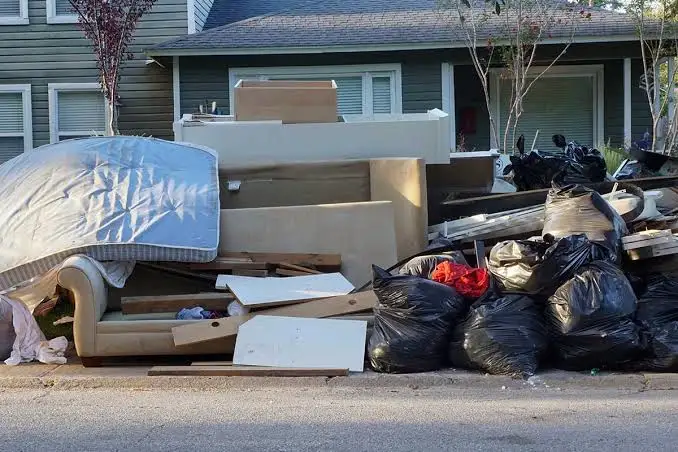
This is the physical removal stage, including bulky items and accumulated household contents that are no longer wanted. Heavy furniture, mattresses, and large quantities of boxes are usually the hardest part and often the point where families bring in a crew.
Complete the Final Property Clearance
Do a last pass through every room, closet, and outdoor area to find remaining clutter, overlooked spaces, debris, and items that still need to go. The property is only considered cleared once this final check is done.
Who Can Handle a Complete Estate Cleanout?
An estate cleanout can be organized in several ways, and no single option fits every family. Some people handle the whole project themselves, while others combine relatives, movers, estate professionals, and a cleanout company. The right mix depends on the size of the home, the timeline, and how many people are available.
Family Members Can Manage Personal Decisions
Relatives or authorized individuals are usually the ones who decide what happens to sentimental belongings, heirlooms, documents, and valuables. Those decisions are personal and should not be handed off to a stranger.
Estate Professionals May Help With Specialized Decisions
Depending on the situation, estate-related professionals may help with property contents, sales, valuations, or other specialized needs. Appraisers and estate sale specialists are common examples.
Movers Can Handle Relocation of Selected Items
When certain furniture or belongings need to be transported rather than discarded, movers can carry them to a relative’s home, a storage unit, or a new residence.
Cleanout Crews Can Handle Physical Removal
Professional cleanout crews can assist with lifting, carrying, loading, hauling, and clearing unwanted contents from the property. This is often the most physically demanding part of the job.
Responsibilities Should Be Clear Before Work Begins
Homeowners, family members, executors, property representatives, and service providers should all understand who is responsible for decisions and who handles removal. Clear roles prevent items from being removed without approval.
What Does a Full Estate Cleanout Usually Include?
A full estate cleanout covers the process from the initial assessment through final property clearance. It typically addresses furniture removal, household contents, donations, unwanted possessions, and property preparation. The exact services vary between providers, so confirm what is included before work begins.
Commonly included areas are:
- Bedrooms, closets, and dressers
- Living rooms and dining areas
- Kitchens, cabinets, and pantries
- Garages and workshops
- Basements and attics
- Storage rooms and sheds
- Outdoor spaces, where applicable
Does an Estate Cleanout Include Furniture Removal?
Furniture is one of the largest parts of an estate house cleanout. Sofas, beds, dressers, tables, chairs, cabinets, shelving, and other bulky pieces often make up most of the volume in a home. Some pieces will be preserved, donated, sold, transferred to relatives, or removed, depending on their condition and ownership decisions.
Practical details matter with furniture. Stairs, narrow doorways, elevators, and oversized pieces can make removal slow and risky without the right equipment. Wrap or protect items that are being moved to a relative’s home, and separate pieces that are headed for disposal. If a piece is not wanted, there are several options for old furniture disposal that do not have to end in a landfill, including donation and reuse.
Can Garages and Basements Be Included Too?
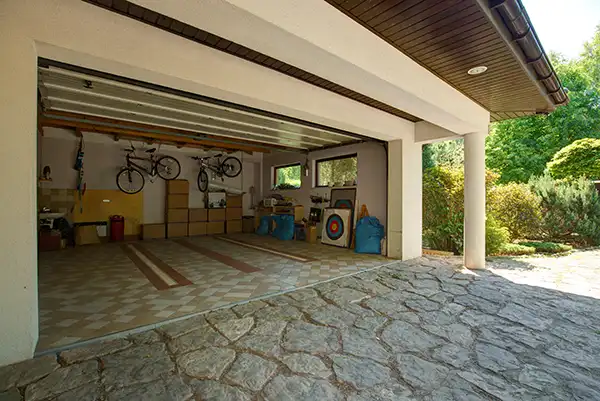
An estate property cleanout should not automatically stop at the main living areas. Garages, basements, attics, sheds, storage rooms, and other secondary spaces often hold the largest amount of accumulated belongings. Common contents include tools, boxes, seasonal decorations, old equipment, shelving, and miscellaneous household possessions.
These spaces should be inspected before the final property clearance because they can hide valuable or important items, such as tools worth keeping, family records in old boxes, or keepsakes in storage bins. They are also heavy and disorganized, which is why many families look at how a professional can help with a garage cleanout rather than doing it alone. Check each secondary space before anything is removed, and set aside anything that needs a second look.
How Does Estate Cleanout Differ From Junk Removal?
An estate cleanout is different from ordinary estate junk removal or a standard junk pickup. Standard junk removal focuses on hauling away items you have already chosen. An estate cleanout often includes decision-making, sorting, preservation, donation, distribution, and property preparation on top of the physical removal.
| Factor | Estate Cleanout | Standard Junk Removal |
| Main purpose | Clear and organize an estate property | Remove unwanted items |
| Sorting | Often involves detailed sorting | Usually focused on selected junk |
| Personal belongings | May require careful review | Generally already identified |
| Important documents | Need to be separated first | Usually not part of the service |
| Family heirlooms | May need preservation or distribution | Typically outside the main focus |
| Donations | May be part of the planning | Depends on provider |
| Property preparation | Often an important goal | Usually not the primary focus |
The table shows why the two services are not interchangeable. A standard pickup works well when the items are already sorted and ready to go. An estate cleanout is a better fit when the contents have not been reviewed, and the property has to be cleared as a whole. Some providers offer both, so it helps to describe your situation clearly.
What Should You Avoid During an Estate Cleanout?
A few common mistakes can create problems during an estate clearance service. Avoiding them protects belongings, relationships, and your own peace of mind.
- Throwing away documents or valuables before reviewing them. Check papers, wallets, purses, and containers before discarding anything.
- Rushing through sentimental belongings. Hurrying can lead to accidental loss of items that families later wish they had kept.
- Removing property without confirming ownership and authorization. Make sure the right people have agreed on what leaves the home.
- Skipping secondary spaces. Garages, sheds, and attics can hold items that need attention.
- Starting removal before sorting is done. Once items are loaded, it is much harder to retrieve them.
How Can You Prepare a Property Before Clearance?
Property preparation should happen before the removal crew or cleanout service begins. Start by securing documents and valuables in a safe place away from the work area. Then identify the items that are staying behind, mark or move them, and clear access areas such as hallways, stairways, driveways, and doors so the crew can work freely.
Rooms, garages, basements, and outdoor areas each need some attention. Empty fragile display cases, group boxes near exits, and make sure gates and parking areas are open. For a broader look at house cleanout preparation, it helps to plan the steps in order. Preparation should happen before general removal rather than during loading, because deciding on the spot leads to mistakes and delays.
What Happens After the Estate Contents Are Removed?
Once the major contents are cleared, the final stage begins. A final inspection checks every room for remaining unwanted items, small debris, and areas that were missed. Basic cleanup, such as sweeping and clearing leftover boxes, often follows so the property is ready to be handled by the next person.
From there, the property may be prepared for sale, rental, transfer, renovation, or occupancy, depending on the situation. It is worth noting that removal and deeper cleaning are not necessarily the same service. A cleanout crew removes contents, while carpet cleaning, repairs, or a full deep clean may need to be arranged separately. Ask your provider what is included so you can plan the next step without gaps.
Final Thoughts on What an Estate Cleanout Involves
An estate cleanout is a structured process that involves assessment, sorting, protecting important belongings, removing unwanted possessions, and preparing the property. Explicit Junk Services can help with the removal side of the process when unwanted items need to be cleared from the property. Personal belongings, furniture, household items, important documents, family heirlooms, valuables, donations, and property clearance each play a role, and each deserves a deliberate decision rather than a quick sweep.
Sensitive or valuable items should always be identified before general removal begins. Once those are secure, professional estate cleanout services can help with the physical side of a large property clearance when the workload is more than a family can manage. If you are planning one, talk with an estate cleanout provider such as Explicit Junk Services about the property’s size, contents, timeline, and the services you need.
FAQs About Estate Cleanouts
An estate cleanout can involve much more than removing unwanted possessions from a home. The following questions address additional concerns about timing, belongings, property areas, and the cleanout process.
It depends on the size of the home, how much it contains, how organized the belongings are, and how many people are helping. A small apartment may take a day or two, while a large house with a full garage and basement can take much longer. A provider can give a better estimate after seeing the property.
Generally yes, including bedrooms, kitchens, living areas, garages, basements, and attics. Confirm any restricted materials, such as hazardous items, and point out anything that must stay in place.
Agree on a method before sorting begins, such as taking turns choosing items or labeling boxes by person. Setting aside disputed items for later discussion helps avoid rushed decisions.
Usable items are often donated or otherwise reused when a receiving organization accepts them. Items that are worn out or damaged may be recycled or disposed of instead.
Often yes, if the provider handles those spaces. Sheds, outdoor storage, and yard items can hold tools and equipment, so mention them when you book.