
Taking over a loved one’s home often means facing rooms full of furniture, closets of clothing, and a garage nobody has sorted in years. Most families have no idea where to begin, and the first question is usually what is included in an estate cleanout. The answer covers much more than hauling things away.
A full estate cleanout can include sorting, furniture and household item removal, clearing storage areas, handling debris, and coordinating donation and disposal. This article walks through each service, how the process unfolds, which areas of the property are covered, and what to ask before you hire anyone.
Start With the Core Services in an Estate Cleanout
An estate cleanout is a structured project rather than a single pickup. The services below show how the work is usually divided. Exact offerings vary by provider, so use this as a guide when planning a complete estate cleanout.
Sorting the Property Before Anything Gets Removed
Sorting comes first because nothing should leave the property before someone decides where it belongs. Belongings are separated into items to keep, donate, sell, recycle, dispose of, or review later. Setting aside the “review” pile prevents rushed decisions about things family members are not ready to part with.
Removing Furniture From Throughout the Property
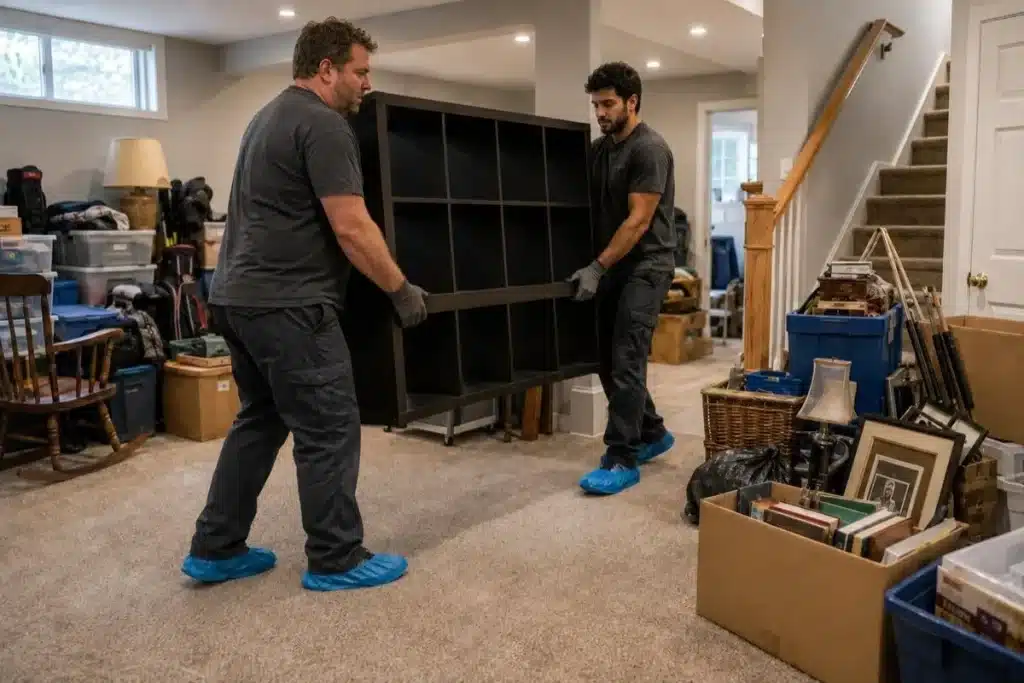
Furniture is usually the bulkiest part of estate contents removal. Sofas, beds, tables, chairs, cabinets, dressers, and shelving are carried out of every room, including pieces on upper floors or in tight hallways. Crews handle the lifting so family members do not have to move heavy items themselves.
Clearing Everyday Household Items and Clutter
Dishes, kitchenware, decorations, clothing, books, and small household goods add up quickly over decades. Household item removal clears these items room by room, along with the general clutter that has built up in drawers, closets, and corners. This is often the most time-consuming part of the job because of the sheer number of small items.
Handling Personal Belongings With Extra Care
Photographs, documents, jewelry, keepsakes, and heirlooms should be identified before removal begins. These items often cannot be replaced, and they may matter for legal or family reasons. Setting them aside early keeps them separate from the general cleanup.
Coordinating Donations, Recycling, and Disposal
Usable items such as furniture, clothing, and kitchen goods may go to donation or reuse. Materials that cannot be reused may need recycling or disposal. Coordinating this stage means each item ends up in the right place rather than in one general load.
Removing Debris Left Around the Property
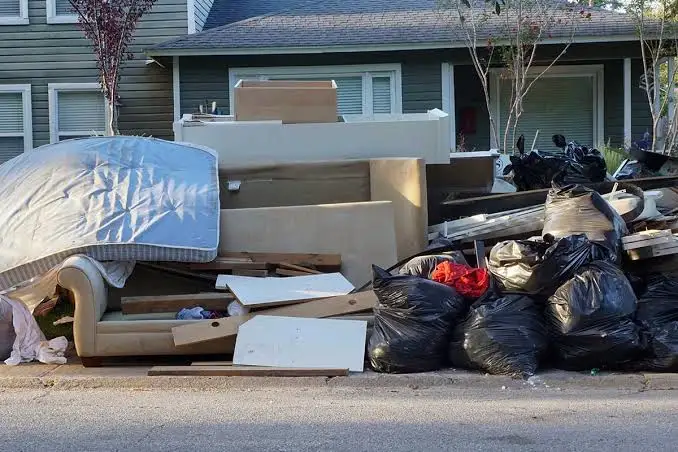
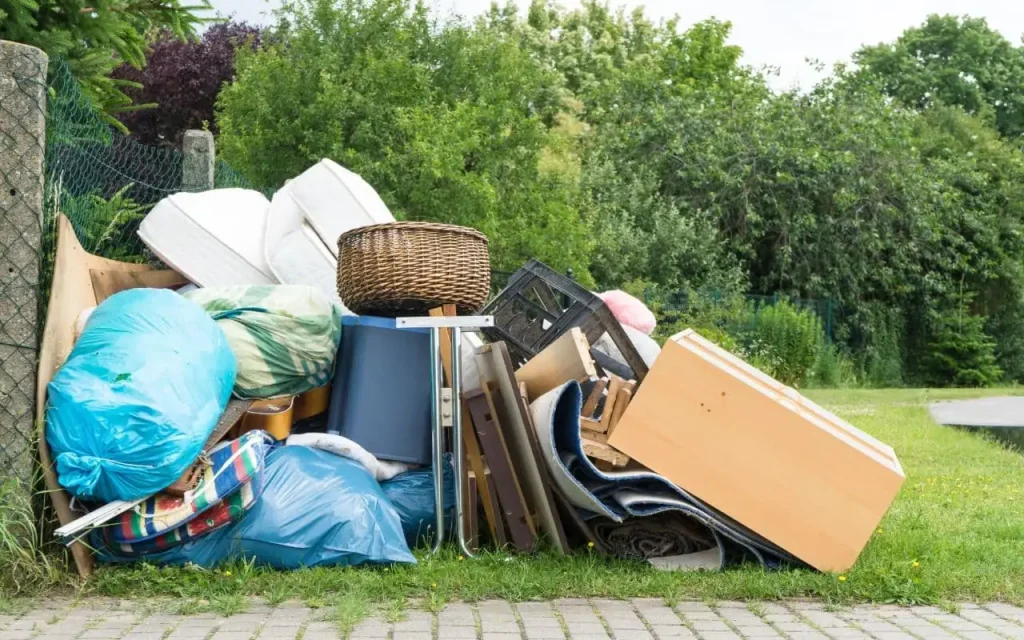
Once belongings and furniture are gone, ordinary property debris often remains. This can include broken items, packaging, loose scraps, and leftover materials from storage areas. Property debris removal clears these so the space is not left half finished.
Leaving the Property More Organized and Usable
The last stage is a final cleanup that makes rooms, storage spaces, and access areas easier to inspect. A cleared and organized property is easier to prepare for a sale, a rental, or a family transition. This stage helps turn removal into a finished estate organization project.
How an Estate Cleanout Moves From Plan to Completion
Knowing the sequence makes the job less stressful. Each stage builds on the one before it. Here is how the estate cleanout process usually unfolds, from the first assessment to the final walkthrough.
Assessing the Property and Defining the Cleanout Scope
The process starts with a review of the property. The provider looks at the number of rooms, the volume of contents, bulky items, special areas, and any access challenges. This assessment sets the scope and helps the crew plan for the work ahead.
Identifying Items That Should Stay or Be Removed
Before the crew starts, family members or the responsible party walk through the home and mark what should stay. This includes important possessions, valuables, and anything with sentimental or legal significance. Clear marking reduces the risk that something important is removed by mistake.
Organizing Items for Donation, Recycling, or Disposal
Items are grouped by where they are going. Donation pieces, recyclables, and disposal items are kept apart so loading is faster and each group is handled properly. This also gives families a clear picture of how much will be reused versus discarded.
Removing Furniture, Appliances, and Household Contents
Once the groups are set, the physical removal begins. Crews carry out large furniture, appliances, boxes, and miscellaneous household belongings and load them for transport. Large items are usually removed first so the remaining rooms are easier to work in.
Clearing Garages, Attics, Basements, and Storage Areas
Less visible spaces are often overlooked at the start. Including them in the original plan keeps the estate property cleanup from stalling later. Garages, attics, basements, and storage areas can hold as much as the main living spaces.
Managing Remaining Debris and Final Property Cleanup
After the major contents are gone, loose debris and leftover materials are collected and removed. The goal is to leave rooms clear and accessible. This step often reveals small items that were hidden behind or beneath larger pieces.
Reviewing the Property Before the Cleanout Is Complete
A final walkthrough helps catch forgotten belongings, missed rooms, remaining debris, or items that need another disposal decision. It is a useful quality check before the estate property cleanout is considered finished. Families should take part if possible, since they know best what should and should not remain.
Which Household Areas Are Included in the Cleanup
Estate cleanout services can reach every corner of a property, including spaces people forget about. Going through each area helps you build a more complete estate cleanout checklist. The sections below show what each space may involve.
Clearing Bedrooms and Living Areas Efficiently
Bedrooms and living areas hold furniture, clothing, decorations, books, electronics, and personal belongings. These rooms often need careful sorting because they contain the most personal items. Removal usually goes more smoothly when each room is handled one at a time.
Cleaning Out Kitchens and Dining Spaces
Kitchens and dining rooms contain cabinets, tables, chairs, dishes, cookware, small appliances, and pantry contents. Expired food and open containers are usually discarded, while usable cookware and dishes may be donated. Many kitchens have more stored items than the visible counters suggest.
Handling Garages Packed With Stored Belongings
Garages often need extra sorting because they hold tools, boxes, outdoor equipment, furniture, and years of accumulated clutter. A guide on how a professional approaches a garage clean up can help you plan what to expect from a garage cleanout. Setting aside tools or equipment worth keeping before the crew arrives saves time.
Emptying Attics and Difficult Storage Spaces
Attics commonly contain stored boxes, seasonal decorations, and old belongings that have not been touched in years. Access and safety matter here, since low clearance, narrow stairs, and uneven flooring can slow the work. An attic cleanout may take more planning than rooms that are easy to walk into.
Clearing Basements and Utility Storage Areas
Basements often hold household items, furniture, boxes, equipment, and general clutter. Ordinary contents are usually straightforward to remove. Materials such as chemicals, fuel, or damp and moldy items may need specialized handling, so a basement cleanout should include a check for these.
Addressing Outdoor Areas and Property Debris
Sheds, patios, yards, and other outdoor areas can be included when they hold removable household belongings or ordinary property debris. Old outdoor furniture, tools, and leftover materials are common examples. Mention these spaces early so they are part of the scope.
Bringing Overlooked Storage Spaces Into One Plan
Combining every relevant area into the initial scope creates a more organized estate property cleanout. It avoids return trips, surprise add-ons, and spaces left unfinished. A single plan also makes estimates and scheduling more accurate.
Furniture and Large Belongings in Estate Cleanouts
Furniture removal is one of the largest parts of most estate cleanouts. Beds, sofas, dining sets, dressers, bookcases, desks, cabinets, and similar large belongings are commonly handled. Some families consider DIY furniture removal for a few smaller pieces, but heavy or awkward items across an entire house are usually better left to a trained crew.
Before the crew arrives, identify any pieces that carry sentimental or financial value. Antiques, family heirlooms, and items promised to relatives should be tagged or moved aside. This is also where personal belongings removal and furniture removal overlap, since a dresser or cabinet may still hold clothing, papers, or keepsakes. Check drawers and compartments before anything is carried out.
How Appliances and Household Contents Are Handled
Appliances and everyday household contents remain in most homes after an estate transition. Refrigerators, washers, dryers, ovens, dishwashers, and televisions are commonly removed during a cleanout, along with small appliances, dishes, books, and clothing. Household item removal and estate contents removal often happen together, which keeps the work consistent across rooms.
Appliances need extra care because of their weight and connections. A refrigerator should be emptied and unplugged ahead of time, and the guide on removing your refrigerator covers the steps in more detail. Specialized or regulated items, such as units containing refrigerants, certain electronics, or hazardous materials, may require separate arrangements. Confirm these with your provider before the crew arrives.
What Happens to Items After the Property Is Cleared
Many families want to know where belongings go once they leave the house. A reliable provider sorts items so that useful things are reused and only what is left is disposed of. Donation and disposal services typically handle this final routing, and responsible unwanted item disposal means matching each item to the right destination.
Sorting at the property makes this easier, and a guide on how to sort recyclable household waste can help families understand which materials belong in recycling. Destinations depend on the item and on local rules. In general, items go to one of these routes:
- Donation: usable furniture, clothing, kitchenware, and household goods in good condition.
- Reuse: items that can be resold, repurposed, or passed to family members.
- Recycling: metals, cardboard, certain electronics, and other recyclable materials.
- Disposal: broken, worn, or unusable items that cannot be reused or recycled.
- Specialty handling: hazardous materials, certain electronics, and regulated items that need separate facilities.
Preparing the Property Before an Estate Cleanout Begins
Preparation protects important possessions and makes the service faster. Start by locating documents, valuables, and sentimental belongings before the crew arrives. Settle any legal or family decisions about who gets what, since removed items usually cannot be retrieved. Arrange access to the home, including keys, lockbox codes, and parking for the truck.
A written estate cleanout checklist helps keep the project organized and supports estate organization from the start. Use a list like this one to stay on track:
- Locate and secure important documents, financial papers, and identification.
- Remove jewelry, cash, and valuables from drawers and hidden spots.
- Tag items that family members want to keep.
- Confirm who has the legal authority to approve removal.
- Arrange property access, keys, and parking.
- Set aside hazardous or specially regulated items for separate handling.
- Take photos of difficult areas to share with the provider.
How Long a Complete Estate Cleanout Usually Takes
No two properties take the same amount of time, so any fixed promise should be treated with caution. A small apartment with few belongings is very different from a large house with a packed garage, attic, and basement. A complete estate cleanout also depends on how quickly decisions are made about what stays. For a closer look at the process and duration of a property cleanup, this guide breaks down the factors involved.
The main things that shorten or extend a residential estate cleanout are property size, the number of belongings, and how easy the home is to access. Sorting requirements matter too, since careful review takes longer than quick removal. Contents of the garage, attic, and basement can add time, as can large volumes of debris. Special disposal needs, such as hazardous or regulated materials, may also extend the schedule.
Choosing an Estate Cleanout Company for the Job
The right provider matches the needs of the property. Look at the service scope, accepted materials, donation and recycling practices, property access, cleanup expectations, and scheduling. Two good habits help when comparing an estate cleanout company with other options.
Questions to Ask Before Scheduling the Cleanout
Ask which areas are included, what types of items will be removed, and how items are disposed of. Confirm how special items are handled and whether a final cleanup is part of the service. A clear answer to each question helps you compare estate cleanout services fairly.
Details to Confirm Before the Crew Arrives
Share photos, access information, approximate item quantities, difficult spaces, and any special handling needs ahead of time. This allows the provider to send the right crew and equipment. It also reduces surprises on the day of the cleanout.
Common Estate Cleanout Mistakes That Cause Delays
Most delays come from problems that could have been avoided. Reviewing them early makes estate property cleanup smoother, whether you are using estate junk removal for a single room or the whole house.
- Removing important documents by accident. Check drawers, files, and boxes before anything leaves the property.
- Missing valuables. Jewelry, cash, and collectibles are often tucked away in unexpected places.
- Overlooking storage areas. Attics, sheds, and crawl spaces are easy to forget and can add significant volume.
- Underestimating debris. Leftover materials and broken items can fill more space than expected.
- Skipping the service limits conversation. Ask what the provider will and will not take so nothing is left unaddressed.
- Rushing personal belongings removal. Take time to sort sentimental items before the crew begins.
Comparing Common Estate Cleanout Service Needs
Different properties call for different levels of service. This table shows how common needs compare, though the exact scope depends on the provider and the property.
| Cleanout Need | Typical Contents | Main Work Involved | Important Consideration |
| Basic contents removal | Furniture, clothing, household goods | Sorting and hauling away items | May not include storage areas or debris |
| Full property cleanout | All rooms, garage, attic, basement | Sorting, removal, donation, and final cleanup | Takes longer and needs a clear scope |
| Storage-area clearing | Boxes, tools, seasonal items, stored furniture | Accessing, sorting, and removing stored belongings | Access and safety may affect the work |
| Debris-focused work | Loose scraps, broken items, leftover materials | Collecting and disposing of debris | Hazardous items may need separate handling |
Final Thoughts on What an Estate Cleanout Includes
So, what is included in an estate cleanout? In most cases, the service covers furniture removal, household contents, personal belongings, garages, attics, basements, and leftover debris. Explicit Junk Services can help with organizing and removing unwanted items for donation or proper disposal. Each property is different, so the scope depends on the size of the home, the condition of its contents, and the provider you choose.
Estate cleanout services work best when the plan is clear from the start. If you are preparing for an estate property cleanout, talk with a qualified provider like Explicit Junk Services about your property, its contents, and the areas that need to be cleared. A short conversation can help you set the right scope and avoid delays.
FAQs About Estate Property Cleanout Services
Estate cleanouts can involve much more than removing unwanted furniture and household clutter. These questions address common concerns about scope, preparation, timing, and the handling of estate contents. Use the answers to plan a residential estate cleanout with confidence.
Remove important documents, jewelry, cash, and valuables. Also set aside sentimental belongings and any items family members plan to keep. Anything left in the home may be treated as part of the cleanout.
Yes, appliances and electronics are commonly included. Items such as refrigerators, washers, dryers, and televisions can be removed, though some units may need special handling. Confirm with your provider first.
They often can be, but it is best to confirm. Mention these areas when you request an estimate so they are included in the scope rather than added later.
They should be identified and set aside before removal starts. Families usually collect photographs, documents, jewelry, and heirlooms ahead of time so the crew knows what to leave alone.
Yes. Furniture, clothing, kitchenware, and other items in good condition may be donated or reused. Ask your provider about their donation practices when you schedule.