
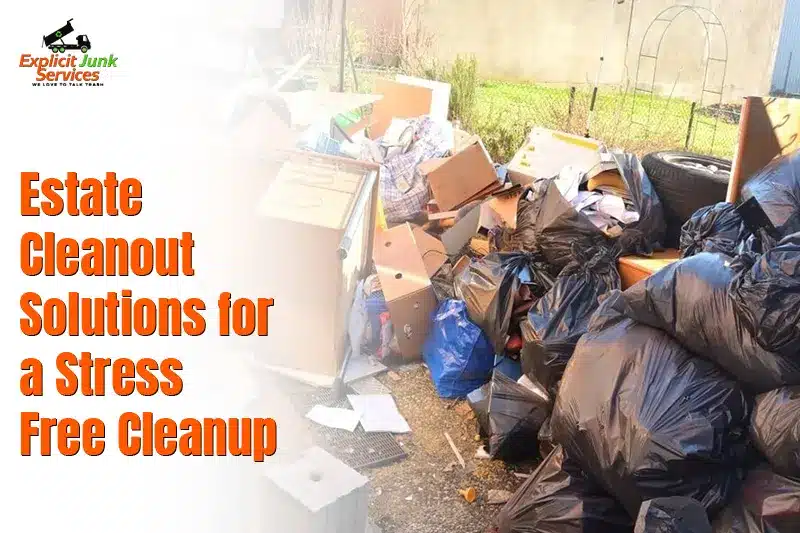
Clearing a full home can feel like a huge task. Years of belongings may fill each room. You may find furniture and papers mixed with daily items. Estate cleanout solutions can help you sort each item with care. A clear plan also helps protect items that still have value or meaning.
An estate property cleanout involves more than removing junk. You may need to sort personal possessions and household belongings first. Some items may need to be sold or donated. Others may need safe disposal. The right plan depends on the home size and your time.
Estate Cleanout Solutions That Make Cleanup Easier
No single method will fit every estate. The right choice depends on the items and the home. Your timeline and family needs also matter. A small home may need little outside help. A large home may need a full cleanout plan. Estate cleanout planning can help organize the different steps and keep the process moving in a clear order.
Sort and Organize Belongings
Start by sorting items before anything leaves the home. This helps prevent useful items from being lost. It also gives family members time to review personal items. Use clear groups for each type of item. Keep the groups simple and easy for everyone to follow.
Sell Valuable Items Before Clearing
Some estate items may still have market value. Furniture and antiques may attract local buyers. Collectibles and artwork may also need review. An estate sale can help with many items at once.
Donate Usable Items to Appropriate Organizations
Donation services can give useful items a second life. Start by checking the item’s condition. Then check what each group accepts. Some groups may offer pickup for large items. Others may ask you to bring items to them. Keep any needed donation records for the estate.
Recycle Materials That Have Another Useful Life
Some estate items may have parts that can be recycled. Wood and metal may follow different routes. Electronics may also need special drop-off sites. Do not assume every site accepts all materials. Check local rules before transport. This can prevent extra trips and wasted effort.
Arrange Professional Furniture and Item Removal
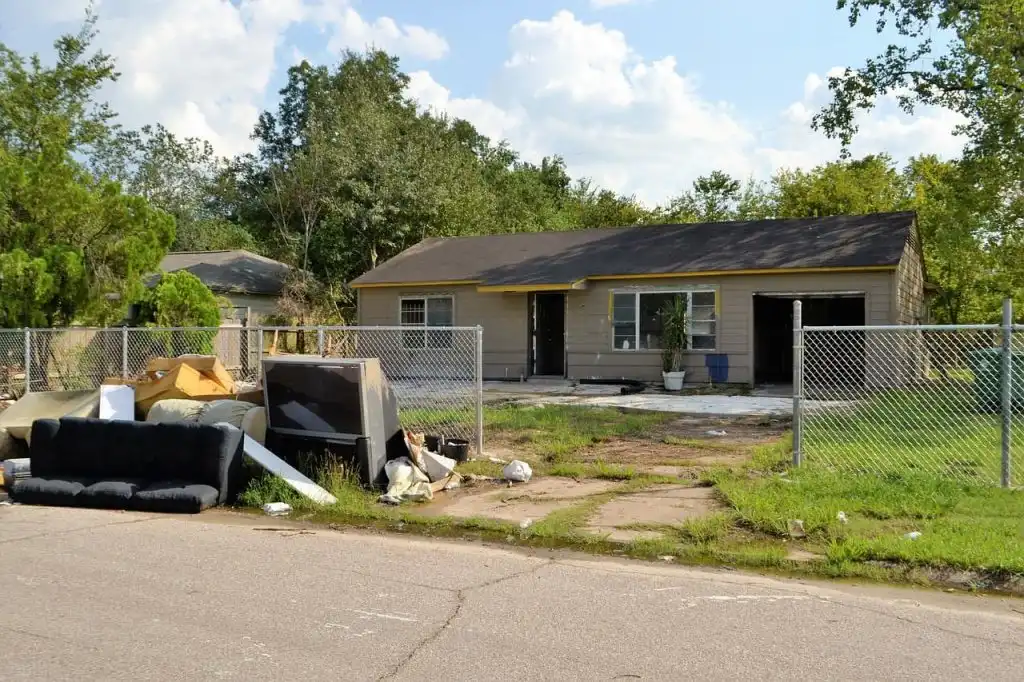
Large furniture can make an estate cleanout hard to manage. Sofas and beds can take up much of the space. Cabinets and appliances may also need extra work. Professional removal can reduce lifting and loading tasks. It can also help when you lack a suitable vehicle.
Use Junk Removal for Items That Cannot Be Reused
Some items may have no safe reuse path. Broken furniture and damaged goods may fall into this group. Estate junk removal can help clear these items. Before booking a service, check what it accepts. Also ask how it handles items after pickup.
Prepare the Property for Its Next Purpose
A cleared home is easier to inspect and clean. It may also need small repairs after removal. Some owners may plan a sale or rental. Others may need the home ready for a new family. Estate cleanout services can support this wider property goal.
Combine Several Services Into One Cleanout Plan
Large estates often need more than one cleanup method. You may need sorting and donation at the same time. Recycling and junk removal may also be needed. A complete estate cleanout can bring these tasks into one plan. This may help when time or travel makes the work harder.
Secure the Property Before You Begin the Cleanout
Property security should come before sorting begins. Check locks and access points if the home is vacant. Confirm that key utilities are safe to use. Review insurance needs when the property will sit empty. Also confirm who has authority to make decisions about estate items.
Take care when entering attics and basements. Garages may also have hidden risks. Look for poor floors and loose items. Watch for signs of leaks or other damage. Executors should also review any legal or probate needs. Rules can vary by case, so that legal advice may help.
Sort Personal Belongings With a Simple System
Sorting should happen before most items are removed. This gives family members time to review important belongings. It also lowers the risk of throwing away useful items. Work through one room at a time. Use labels and photos when several people share the work.
A simple system can keep each choice clear:
- Keep: Items that family members want to keep.
- Sell: Items that may have market value.
- Donate: Useful items that others may use.
- Recycle: Materials that local sites accept.
- Dispose: Items with no useful reuse path.
- Store temporarily: Items needing more time or review.
This sorting and organizing step can take time. That is normal for a family home. Avoid rushing choices about personal possessions. Give family members a clear time to review items. This can help reduce disputes and missed belongings.
Protect Important Items From Accidental Disposal
Important papers should stay separate from general household items. Look for wills and insurance records first. Property papers and financial records also need care. Old files may contain details that still matter. Keep these items in a safe place during the cleanout.
Digital items need attention too. Phones and computers may hold private records. External drives may contain saved files or photos. Do not send devices away before checking their contents. Jewelry and artwork may also need a closer review. Estate contents removal should begin only after these checks.
Decide What to Keep, Sell, Donate, or Remove First
Not every item needs the same decision. Start with value and condition. Then consider its use and family meaning. Some items may have little sale value but strong family value. Other items may be useful but not worth keeping. Clear rules can help families make fair choices.
Set a decision date for items that need more thought. This keeps the property from staying full for months. It also helps move the cleanout forward. For low-value items, ask if someone can use them. If not, consider donation, recycling, or safe removal.

Prepare Furniture and Large Items for Removal
Furniture often takes up much of the space in an estate. Sofas, beds, tables, and cabinets may need special care. Appliances can also be heavy and hard to move. First, check the item’s condition. Then decide if it should be sold, donated, recycled, or removed.
Measure large pieces before booking help. Check doors, stairs, and other access points too. Tight spaces can change the removal plan. Good planning can prevent delays on removal day. Estate cleanout checklist can help you keep track of important tasks before large items are removed.
Choose Recycling and Donation Routes Carefully
Donation and recycling should be planned before the final removal. Check the condition of each item first. Then confirm the rules for each group or site. Some facilities accept only certain materials. Others may refuse damaged or mixed items.
Ask about pickup when items are large. Also keep donation records when the estate needs them. Do not mix items without checking their next route. Good planning can reduce home estate cleanout work and keep useful goods in use longer.
Know When Professional Estate Cleanout Help Fits
DIY cleanup may work for a small home. It can be harder with many rooms or large items. Distance can also make repeated trips costly in time. Tight deadlines may add more pressure. A professional team may fit better when the work is large or complex.
A Professional Team Can Handle Heavy Removal
Large furniture can require more than one person to move. Appliances may also need careful loading. A trained crew can handle much of this physical work. This can reduce lifting and loading demands. It may also help when the owner lacks a truck or trailer.
Full-Service Help Can Simplify Multiple Tasks
Some providers offer more than basic hauling. Their services may include removal and sorting support. They may also help with donation or disposal routes. Ask what each service includes before booking. This helps you compare a simple pickup with wider estate cleanout services.
Remote Owners Can Reduce Trips to the Property
Managing an estate from another city can be hard. Each visit takes time and travel effort. A local team may reduce the number of trips. Clear access plans can help the work move forward. Share photos and item details when useful. Confirm each task before work begins.
Compare DIY and Professional Cleanout Options
Each cleanout method has different demands. DIY work gives you direct control. Partial help can reduce some physical work. Full service can handle more tasks at once. The right choice depends on your time and the home’s needs.
| Factor | DIY Cleanout | Partial Help | Full-Service Cleanout |
| Physical effort | High | Medium | Low |
| Time required | High | Medium | Lower |
| Control | Highest | High | Shared |
| Heavy item handling | Owner handles it | Some help | Crew handles it |
| Sorting support | Family-led | Limited | Often available |
| Donation coordination | Owner-led | May be included | May be included |
| Disposal planning | Owner-led | Shared | Provider may handle it |
| Best for | Smaller cleanouts | Mixed needs | Large or complex estates |
Prepare the Property for Final Cleaning or Sale

Removing belongings is only one part of property preparation. The home may still need deep cleaning after the clearout. Floors may need care or repair. Walls may need paint. Lingering odors may also need attention. The right work depends on the home’s condition and next use.
A cleared home is easier to inspect. It is also easier to clean and present. Avoid paying for work that the property does not need. Focus first on needed repairs and basic cleaning. This keeps estate property cleanup focused on the next goal.
Avoid Common Problems During an Estate Cleanout
Rushing the process can lead to missed items and extra work. A few simple checks can help prevent common problems:
- Starting removal before important items are identified
- Throwing away documents without checking their importance
- Assuming every donation center accepts every item
- Mixing recyclable and non-recyclable materials
- Underestimating furniture removal needs
- Ignoring difficult access points
- Failing to set a realistic completion date
- Booking removal without checking what the service includes
These mistakes can slow down an estate property cleanout. They may also create added work or stress. A clear plan helps each task happen in the right order.
Set a Realistic Timeline for the Entire Cleanup
Estate cleanouts can take days or weeks. The timeline depends on the home’s size and contents. Family decisions can also affect the pace. Selling items may take more time than expected. Donation pickup and removal dates can add more steps.
Set the Cleanout Start and Completion Dates
Choose a clear start date for the work. Then set a target date for completion. Leave room for items that need more review. This gives everyone a shared goal. It can also prevent the cleanout from staying open without a clear end.
Schedule Removal After Sorting Is Underway
Begin sorting before the main removal date. This helps keep important items out of the removal pile. It also shows how much junk remains. Once the main groups are clear, you can book removal. This makes old furniture removal easier to plan.
Leave Time for Final Cleaning and Property Work
The home may need cleaning after everything leaves. Repairs may also be needed before a sale or rental. Allow time for these tasks in your plan. Unexpected work can also appear after rooms are cleared. Extra time helps keep the final stage on track.
Final Thoughts on Stress-Free Estate Cleanout Solutions
A good cleanout starts with sorting rather than hauling. First, protect important papers and personal possessions. Then decide what should stay or leave. Donation and recycling may suit useful items. Other goods may need safe removal or disposal.
The right estate cleanout solutions depend on the home and your needs. A large property may need more hands and more time. A remote owner may need local support. A clear plan can make each step easier to manage. When the work feels too large, an estate cleanout company may help. Start by reviewing the property and setting clear goals. Then choose the services that match your timeline and workload. This can help create a cleaner home with less wasted effort. It can also support safe and proper estate property cleanup with help from Explicit Junk Services when needed.
Frequently Asked Questions About Estate Cleanouts
Estate cleanouts vary based on property size and contents. The right service also depends on your timeline and needs. These questions cover common cleanout planning and service concerns.
A complete estate cleanout may include sorting household items, removing furniture, handling unwanted goods, arranging donations, recycling materials, clearing junk, and preparing the property for cleaning or sale.
Professional estate cleanout services usually begin with a property review. The team then plans removal, sorts items, handles approved donations, removes junk, and clears the home based on agreed service details.
The executor or authorized estate representative usually manages the cleanout. Family members may help with decisions. Legal rules can vary, so professional advice may help when needed.
An estate cleanout may take several days or longer. The timeline depends on property size, item volume, sorting needs, family decisions, access, removal plans, and final cleaning work.
Removed belongings may be sold, donated, recycled, reused, or disposed of. The outcome depends on condition, value, local rules, facility requirements, and the estate’s cleanout plan.