Most homeowners reach a point where a garage, basement, or spare room fills up with things nobody wants. An old couch, a broken washer, and a few bags of renovation scraps can sit for months because no one is sure how to get rid of them. If you have ever asked what items do junk removal services take, you are not alone, and the answer is usually broader than people expect.
In general, residential crews can haul away most bulky and unwanted household belongings. What they accept still depends on the company, the condition of the item, local disposal rules, and how the material has to be handled afterward. This article covers the major categories, including furniture, appliances, mattresses, electronics, yard waste, construction debris, and large items. It also explains what is commonly refused and how to confirm an item before you book.
The Main Types of Household Junk They Usually Take
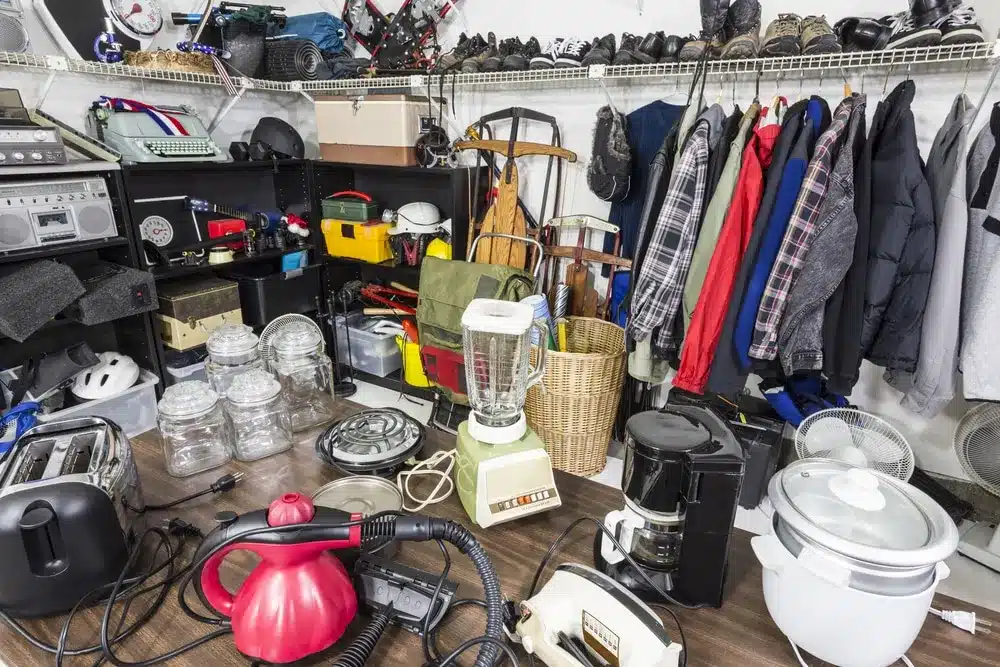
Most residential junk removal covers the everyday items that pile up in a home over the years. This includes general household clutter, miscellaneous unwanted belongings, boxes of broken or unused goods, and the contents of storage areas like attics and garages. If an item is not hazardous and a crew can safely lift it into a truck, there is a good chance it can go.
This is why household junk removal is popular for cleanouts after a move, a downsizing project, or a long stretch of procrastination. Unwanted item removal also works well for things that are too awkward for regular trash service, such as bulky bags of old belongings or worn-out items that no longer have any resale value. Because policies differ between providers, the examples here describe what is commonly accepted rather than a guarantee. Typical items include old toys, broken shelving, worn rugs, cardboard boxes, and bags of miscellaneous household goods.
How the Junk Removal Process Works From Pickup to Disposal
Knowing the workflow makes it easier to prepare. After you contact a company, a team member usually asks what you need removed and gives an estimate based on volume and item type. On the day of service, the crew looks over the items, confirms the scope, and carries everything out so you do not have to lift anything.
What happens after loading matters too. Many junk hauling services sort the load so that usable items can be donated, recyclable materials go to the proper facilities, and only what is left goes to a landfill. This sorting is part of why professional junk removal services can be more responsible than dumping everything in one place. The typical sequence looks like this:
- You contact the company and describe the items, or send photos.
- A time window is scheduled and an estimate is provided.
- The crew arrives and reviews the items on site.
- The items are carried out and loaded onto the truck.
- The load is sorted for donation, recycling, or disposal.
- You confirm the area is clear and the job is complete.
Old Furniture Is a Common Choice for Junk Pickup
Furniture is one of the most frequent reasons people call for pickup. Sofas, couches, tables, chairs, dressers, bookcases, desks, cabinets, and even damaged or broken pieces are commonly accepted. Old furniture removal is especially useful because these items are heavy, awkward, and hard to fit into a regular vehicle.
Furniture removal services usually take care of the carrying, the loading, and the disposal, which saves you from having to arrange separate drop-offs. Some people try DIY furniture removal first for smaller pieces, but larger sectionals or solid wood dressers are often better left to a crew with the right equipment. Pieces that are usable may be donated, while worn or broken ones are recycled or discarded. One exception is furniture that is heavily contaminated, such as items affected by mold, pests, or biohazards. These may require separate handling, so mention the condition when you book.
Appliances Often Require More Care During Removal
Appliance removal is a little different from ordinary junk pickup because of the weight, the connections, and sometimes the materials inside. Refrigerators, freezers, washers, dryers, ovens, dishwashers, and other large appliances are commonly accepted, but crews may handle them with extra care. Refrigerators and freezers contain refrigerants that have to be recovered properly, which is why unwanted appliance disposal is not as simple as leaving a unit on the curb.
Preparation helps. Empty the appliance, unplug it, and disconnect water or gas lines if you can do so safely, or ask the company whether they handle disconnection. For a step-by-step look at removing your refrigerator, including emptying, defrosting, and clearing a path, see our dedicated guide. Appliance junk removal is best confirmed ahead of time, especially for older units or anything that still holds food, water, or fluids.
Mattresses and Other Bulky Bedroom Items Can Go
Mattress removal is a common request, and most residential crews can take mattresses, box springs, bed frames, headboards, and similar bedroom pieces. These items are bulky and difficult to dispose of through regular trash service. In many areas, mattresses require special recycling or disposal channels, which is why some municipalities will not pick them up with standard collection.
Policies can also vary because of local rules and the condition of the mattress. Items that are stained, wet, or infested may be handled differently than ones in clean condition, so it is worth being upfront about the situation. Dressers, nightstands, and frames made of wood or metal usually fall into the same category as other furniture and are removed in the same visit.
Electronics Need the Right Disposal Approach
Electronics should not automatically be treated like ordinary trash. Televisions, computers, monitors, printers, and similar devices contain materials that are better recycled than buried, and some regions restrict how they can be thrown out. Electronics disposal through a junk removal company often means the devices are taken to a recycler, though policies vary, and some companies decline certain items such as older CRT televisions.
Data security matters as well. Before handing over a computer, phone, or tablet, make sure your personal information is protected. A short preparation checklist is simple to follow. Back up anything you want to keep, sign out of your accounts, and perform a factory reset or wipe the storage. Remove batteries or cables if the company asks, and keep any original packaging out of the pile so it does not get mixed up with the devices.
Yard Waste and Outdoor Clutter May Also Qualify
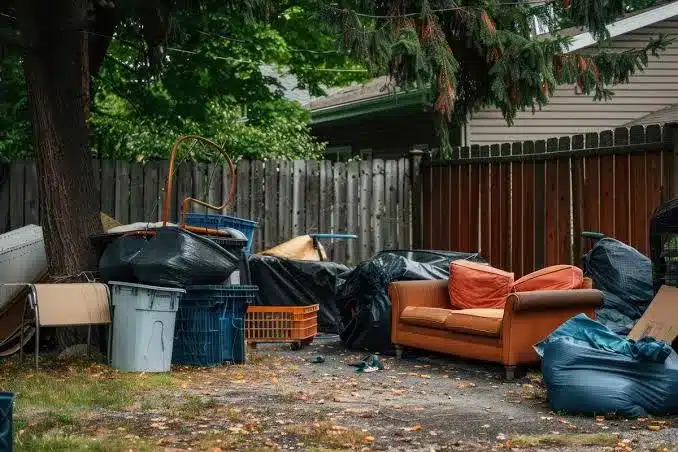
Cleaning up outdoors often adds to the pile. Many companies can take branches, leaves, small landscaping debris, old outdoor furniture, grills, and play equipment as part of a household pickup. Yard waste removal can be handy after a storm or a seasonal cleanup, when the volume is too much for the bin your city provides.
Local restrictions do apply. Some areas have rules about where green waste can be dumped, and a company may have to take it to a specific facility. If you are unsure who handles branches in your area, this guide to yard waste pickup explains how to schedule it without hassle. Propane tanks, fuel-powered equipment with fuel inside, and pressure-treated materials may need separate handling, so ask about them before the crew arrives.
Construction Debris Depends on Material and Volume
Renovation and repair projects create a different kind of waste than everyday clutter. Drywall, lumber, flooring, cabinets, tile, fixtures, and other remodeling scraps are often accepted, but construction debris removal depends heavily on the material and the volume. A small bathroom update is usually easy to handle, while a full gut renovation may call for a dumpster or a larger crew.
Weight is a factor because debris like concrete, brick, and tile adds up quickly, and some providers price or limit these materials differently. Hazardous materials are another dividing line. Items that may contain asbestos or lead paint generally cannot go with standard debris and need specialized handling. If you are not sure what is in an older home, ask a company before you assume it is safe to haul.
Large Household Items Are Not Always Too Big to Remove
Oversized items worry people the most, but large item pickup is a normal part of the job. Big sectionals, exercise equipment, play structures, oversized appliances, pianos, and in some cases hot tubs can be removed, although larger items may require extra crew members or equipment. Treadmills, workout benches, and swing sets are some of the most commonly removed large possessions.
Acceptance usually comes down to access, weight, size, and crew requirements. Narrow staircases, tight turns, and items that need to be taken apart can all affect the job and the price. Tell the company about the size and location of the item, and mention any obstacles like stairs or tight doorways, so they can plan the right team.
What Junk Removal Companies May Refuse to Take
Even though most items can go, junk removal companies draw a line at certain materials. These items are usually restricted because of safety, legal, or environmental concerns, and junk removal items in these categories are better sent to specialized facilities. Common examples, grouped by reason, include:
- Hazardous or toxic materials: pesticides, solvents, pool chemicals, certain paints, and household cleaners in large quantities.
- Flammable or explosive items: gasoline, propane tanks, fireworks, ammunition, and other explosives.
- Biological or medical waste: biohazards, needles, medical waste, and materials contaminated with bodily fluids.
- Regulated building materials: asbestos-containing materials and some lead-painted debris.
Rules vary by provider and by location, so treat this list as a general guide and confirm any questionable item before booking.
One Comparison That Helps You Sort Your Junk
This table gives a quick way to see how common categories are handled. Because policies vary by provider and locality, the answers are qualified and should be confirmed with the company you hire.
| Item Category | Common Examples | Often Collected? | Important Consideration |
| Ordinary household junk | Boxes, toys, broken shelving, small goods | Usually | Must be safe to lift and non-hazardous |
| Bulky furniture | Sofas, dressers, tables, desks | Usually | Contaminated pieces may need separate handling |
| Appliances | Refrigerators, washers, dryers, ovens | Often | Refrigerants and connections need careful handling |
| Electronics | TVs, computers, monitors, printers | Often | Recycling rules and data security apply |
| Yard debris | Branches, leaves, grills, play sets | Often | Local green waste rules may apply |
| Construction debris | Drywall, lumber, flooring, tile | Sometimes | Weight, volume, and hazardous content matter |
| Restricted materials | Chemicals, fuels, asbestos, medical waste | Rarely | Usually require specialized disposal |
How to Prepare Items Before the Crew Arrives
A little preparation makes the visit faster and keeps the price predictable. Start by grouping the items you want removed so the crew can see exactly what is included. This is especially useful for household clutter removal, where it is easy to mix keepers with items headed out. A packed garage is the classic example, and it helps to know how a professional handles a garage clean up before your garage junk removal appointment begins.
Clear the paths the crew will use, and make sure parking access is easy for the truck. Then run through this checklist:
- Separate unwanted items from things you plan to keep.
- Clear hallways, stairs, and doorways.
- Disconnect appliances that you can safely unplug.
- Secure small loose items in bags or boxes.
- Set aside any chemicals or restricted materials.
Smart Ways to Handle Items They Cannot Accept

When something cannot go with regular junk removal, you still have options. Many cities run bulk pickup or hazardous waste drop-off programs, and recycling centers take a wide range of materials. For electronics disposal, certified e-waste recyclers and retailer take-back programs are common choices. For unwanted appliance disposal, utility rebate programs and manufacturer take-back services sometimes pick up old units when you buy a new one.
Regulated waste such as paint, batteries, solvents, and fuels generally belongs at a household hazardous waste facility. Sorting ahead of time also makes recycling easier, and a guide on how to sort recyclable household waste can help you separate what belongs where. Usable furniture, clothing, and household goods can go to donation organizations. Matching each item to the right route keeps it out of a landfill and avoids a failed pickup.
Common Mistakes to Avoid Before Junk Pickup
A few avoidable errors cause most pickup problems. Knowing them ahead of time helps junk removal services finish the job smoothly, whether it is a handful of items or a full load of bulk trash removal.
- Mixing restricted materials, like paint or chemicals, in with ordinary junk.
- Hiding hazardous items inside bags or boxes instead of telling the crew.
- Leaving items in places the crew cannot reach, such as locked rooms or blocked attics.
- Forgetting to mention unusually large or heavy objects.
- Assuming every company follows the same acceptance policy.
How to Confirm an Item Is Accepted Before Booking
The simplest way to avoid surprises is to ask. When you contact a company, give a clear picture of what you have, since the items junk removal companies take can differ from one provider to the next. Mention the type of item, how many there are, and the approximate size or dimensions. Describe the material and condition, and say where the items are located in the home, including any stairs. A photo is often the fastest way to get an accurate answer, and it helps the company decide on crew size and equipment before arriving.
Final Thoughts on Choosing the Right Junk Removal Route
So, what items do junk removal services take? In most cases, furniture, appliances, mattresses, electronics, yard debris, construction waste, and large household possessions can be handled, while hazardous and regulated materials usually cannot. Acceptance still depends on the provider and on local disposal rules, which is why a quick conversation before booking is worth the time.
Whether you are clearing one room or an entire property, the right junk removal services can save you time, effort, and the stress of figuring out disposal on your own. If you are ready to clear space, confirm which items are accepted and arrange a pickup with Explicit Junk Services today.
FAQs About Items Junk Removal Services Accept
Junk removal policies can vary by company, material, size, and local disposal requirements. These questions address common uncertainties homeowners have before scheduling a pickup.
Yes, in most cases. Usable furniture is commonly accepted, and many companies donate items that are in good condition. Ask whether the provider offers donation or recycling if that matters to you.
Usually, yes. Refrigerators, washers, dryers, and similar appliances are often accepted, though units with refrigerants need proper handling. It helps to empty and unplug the appliance beforehand.
Often they are. Mattresses and box springs may require special recycling or disposal in some areas, so policies and pricing can differ. Mention the condition when you book.
Take them to a certified e-waste recycler, a retailer take-back program, or a municipal drop-off event. Wipe your data before you hand over any device.
Often, yes, for common materials like drywall, lumber, and flooring. Volume, weight, and hazardous content can change what is accepted, so confirm the details first.