
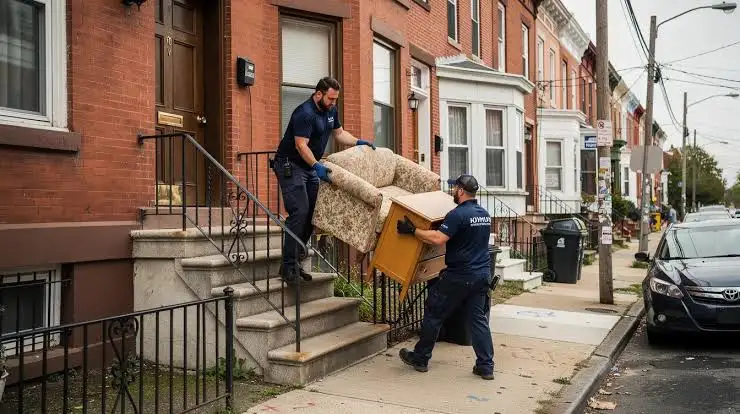
Most homes end up with things that regular trash pickup will not touch: a sagging couch, a dead washing machine, a garage full of boxes, or a pile of branches after a storm. Curbside service usually has size limits and category rules, so bulky and mixed items tend to sit around for months. That leaves many people asking what items can junk removal take, and whether one visit can clear everything.
The short answer is that most junk removal services handle a wide range of household and property items, but acceptance varies by company, item condition, local disposal rules, and special handling needs. This guide explains what can usually be removed, what may need special arrangements, and what is commonly excluded, so you know what to expect before you book.
What Can Junk Removal Companies Usually Take?
Residential and property-cleanout services typically handle the everyday items that pile up in homes, garages, yards, and storage spaces. The items junk removal companies take generally fall into a handful of broad categories. Crews load the material, then sort it for reuse, recycling, donation, or disposal where those options exist in the area.
- Furniture such as couches, chairs, tables, dressers, and bed frames
- Mattresses and box springs
- Large appliances such as refrigerators, washers, dryers, and ovens
- Electronics such as televisions, computers, monitors, and printers
- Yard debris such as branches, brush, and old patio items
- Garage and storage items such as boxes, shelving, and old equipment
- Household clutter from bedrooms, basements, attics, and offices
- Selected renovation waste such as small amounts of flooring, cabinets, or lumber
How Companies Assess Items Before Pickup
Before accepting an item, a provider looks at its size, material, condition, weight, and quantity, along with what it takes to dispose of it legally. A solid wood dresser and a water-damaged sofa may both be accepted, but the disposal path for each can be different. Very heavy items, unusually large loads, or materials with disposal rules attached may be priced differently or declined.
Why Acceptance Rules Can Differ by Company
Two providers in the same city can have different policies. One may take appliances with refrigerants because it has an arrangement with a certified recycler, while another may not. Construction materials, electronics, and specialty waste depend heavily on the facilities a company works with, local landfill rules, and the equipment on its trucks. That is why confirming with your specific provider matters more than assuming a general answer applies.
How Junk Removal Handles Furniture and Bulky Items
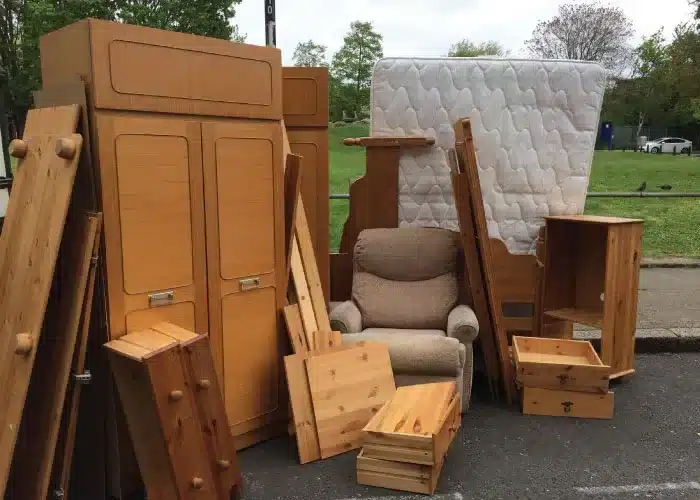
Furniture is one of the most common reasons people call for junk removal. Old couches, tables, chairs, dressers, cabinets, and bed frames are awkward to move and rarely fit in a standard trash pickup. Crews are equipped to carry heavy pieces down stairs, through tight doorways, and out of finished rooms without the risk of injury or damage that comes with doing it alone. Bulky item removal also covers oversized belongings that do not fit neatly into any single category.
Couches, Chairs, Tables, and Large Furniture
Most standard household furniture is suitable for removal, and size and weight mainly affect how many people the job takes and how much truck space it uses. Sectional sofas, large dining tables, and solid wood dressers may require disassembly or extra crew members. Broken or damaged pieces are often still accepted, though condition can influence whether an item is donated or sent for disposal.
Mattresses and Bed Frames Need Separate Attention
Mattresses and bed frames are requested constantly, but they do not always follow the same path as other furniture. Some states and cities have mattress recycling programs or disposal restrictions, and a mattress that is stained, wet, or infested may be handled differently. Ask whether your provider takes box springs and frames as well, and mention the mattress size when booking.
How Appliance Removal Works for Large Household Units
Appliance junk removal covers refrigerators, freezers, washing machines, dryers, dishwashers, ovens, and similar equipment. These units are heavy, and many contain refrigerants, electrical components, or water connections that call for responsible handling. Ask your provider about preparation requirements before pickup, since they can differ from one company to the next.
Confirm Whether the Appliance Is Accepted
Verify acceptance before you schedule, especially for refrigerators, freezers, and specialty appliances. Some providers take every major appliance, while others limit certain units because of the extra recycling steps involved. A quick call or message with the appliance type and approximate size avoids surprises on pickup day.
Prepare Appliances for Safe Removal
Unplug the appliance, empty its contents, and clean out any food or standing water. If a washer or dishwasher has accessible hoses, disconnect them and let remaining water drain. Some crews will handle disconnection for you, so ask what is expected of you and what they will do on site.
Check for Special Refrigerant Requirements
Refrigerators and freezers contain refrigerants that need to be recovered by a certified technician before the unit is scrapped, which is why they are treated differently from ordinary household items. If you want a closer look at the process, this walkthrough on removing your refrigerator covers the basics. Ask your provider how they handle this step so the unit is not simply dumped.
Protect Floors, Doors, and Nearby Property
Heavy appliances can scrape floors, chip door frames, and scuff walls when moved through narrow halls or down stairs. Clear a path in advance, remove obstacles, and point out any fragile flooring or tight corners to the crew. Crews commonly use dollies, straps, and protective coverings for this reason.
Group Appliances With Other Household Junk
Appliance removal can often be combined with furniture, clutter, and other accepted materials in one pickup. Bundling saves a return trip and can make better use of truck space. Tell the provider about everything you want removed so the estimate and truck size fit the full job.
Ask About Recycling and Responsible Disposal
Many appliances contain metals and parts that can be recycled instead of landfilled. It is reasonable to ask whether your provider recycles or diverts usable materials, since practices vary. The answer can also help you decide between companies if responsible disposal matters to you.
Know When Professional Handling Is Needed
Some appliances need more than a standard pickup. Units that are unusually heavy, still hard-connected to gas or water lines, damaged, or located in a basement or tight space may need specialized handling or an extra crew. If your appliance falls into one of these groups, describe the situation before booking so the right team arrives.
What Electronics Can Junk Removal Services Handle Safely?
Electronics junk removal commonly covers televisions, computers, monitors, printers, phones, cables, and other unwanted devices. These items should not automatically be treated like ordinary trash, because they can contain materials that need proper recycling and, in many states, cannot legally go to a landfill. Acceptance and recycling options depend on the provider and the item type, so ask before pickup.
Data privacy also matters. Back up anything you want to keep, sign out of accounts, and wipe or reset devices before handing them over. Hard drives and phones can hold personal information, so removing it yourself is the safest approach. For a fuller look at what happens to old electronic devices after they leave your home, it helps to understand the recycling options before you decide how to dispose of them.
Can Yard Waste and Outdoor Debris Be Removed?
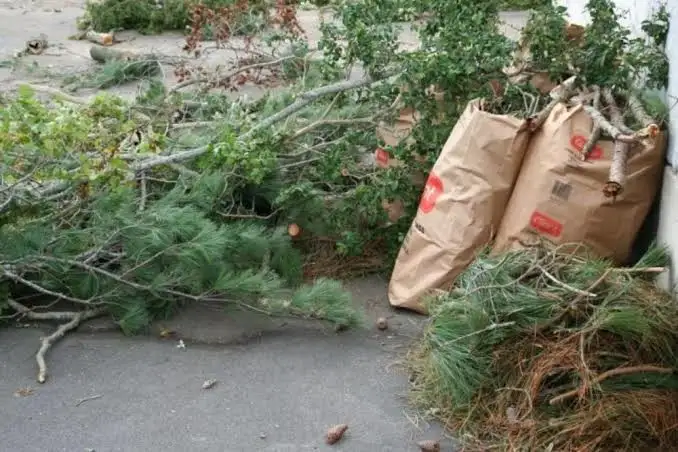
Yard waste removal is often included in junk removal services, though it depends on the provider and the material. Branches, fallen limbs, leaves, brush, and outdoor clutter are common examples, as are old patio furniture, broken planters, and similar items left outside. Ordinary yard debris is usually easy to accept, while materials such as treated lumber, large amounts of soil, or rocks may need different handling.
Volume and weight change the picture as well. A few bags of leaves and some brush are simple, but a large storm cleanup or a truckload of heavy debris may be priced differently or scheduled as a separate job. For bigger jobs, a service that focuses on yard waste removal can explain what can be taken together and what should be separated.
What Renovation Waste Can Junk Removal Services Take?
Junk removal services may accept small amounts of remodeling debris, including drywall scraps, flooring, cabinets, fixtures, lumber, and similar materials. The key word is small. Construction and demolition materials often face stricter limits than ordinary household junk because of their weight, volume, and disposal rules. A kitchen cabinet swap is very different from a whole-house gut.
Some materials should never be assumed to be accepted. Asbestos-containing materials, hazardous substances, and certain specialty products need licensed handling and separate disposal channels. If your project is large, or you are unsure what your materials contain, a dedicated construction-waste service is usually the better fit. A guide to construction debris removal can help you decide which route makes sense for your project.
Which Household Clutter Can Be Removed in One Visit?
Household items junk removal is not limited to one category. Many pickups involve mixed piles of unwanted belongings pulled from bedrooms, basements, attics, storage areas, offices, and general living spaces. Old boxes, broken decor, unused exercise gear, worn rugs, and other leftovers can go out together, as long as everything falls within what the provider accepts.
Combining multiple accepted categories can simplify a cleanout, because one crew and one truck can handle the whole job. Garage junk removal is a good example of a mixed-item cleanup, often involving tools, boxes, shelving, old equipment, and miscellaneous clutter. If the garage is your main problem, reading how a professional can help with a garage cleanup can help you plan the job.
What Items Are Commonly Excluded From Junk Removal?
Knowing what cannot be collected is just as important as knowing what can. Hazardous materials, certain chemicals, explosives, some medical waste, and other regulated items are commonly excluded, though not every company follows identical rules. These items may need specialized disposal channels because of the risk they pose to crews, vehicles, and the environment.
| Item Category | Typical Handling | What to Confirm |
| Furniture | Often accepted | Size and condition |
| Appliances | Often accepted | Special handling requirements |
| Electronics | Often accepted | Recycling/data concerns |
| Yard debris | Often accepted | Volume and material type |
| Renovation waste | May vary | Material and quantity |
| Hazardous materials | Commonly excluded | Specialized disposal option |
The table is a general guide, not a promise from any single provider. If an item is on the excluded list, contact your local waste authority or a licensed hazardous-waste facility to find an appropriate drop-off or collection option. Keeping restricted items separate from ordinary junk also prevents delays on pickup day.
How to Prepare Different Items for Junk Removal
A little preparation makes pickup safer and faster. Start by separating personal belongings you want to keep, then empty dressers, cabinets, and other furniture. Remove food and liquids from appliances, and identify any restricted materials so they can be set aside instead of mixed into the load.
For specific items, a few habits help. Strip couches and mattresses of bedding and covers. Unplug refrigerators, washing machines, and dryers ahead of time, and clean out drums and shelves. Wipe personal data from electronics, and gather outdoor debris into one area that is easy to reach. Avoid dismantling items unless you are sure it is safe, since taking apart a heavy piece can create injury risks or make it harder for the crew to move.
When Multiple Junk Types Can Be Removed Together
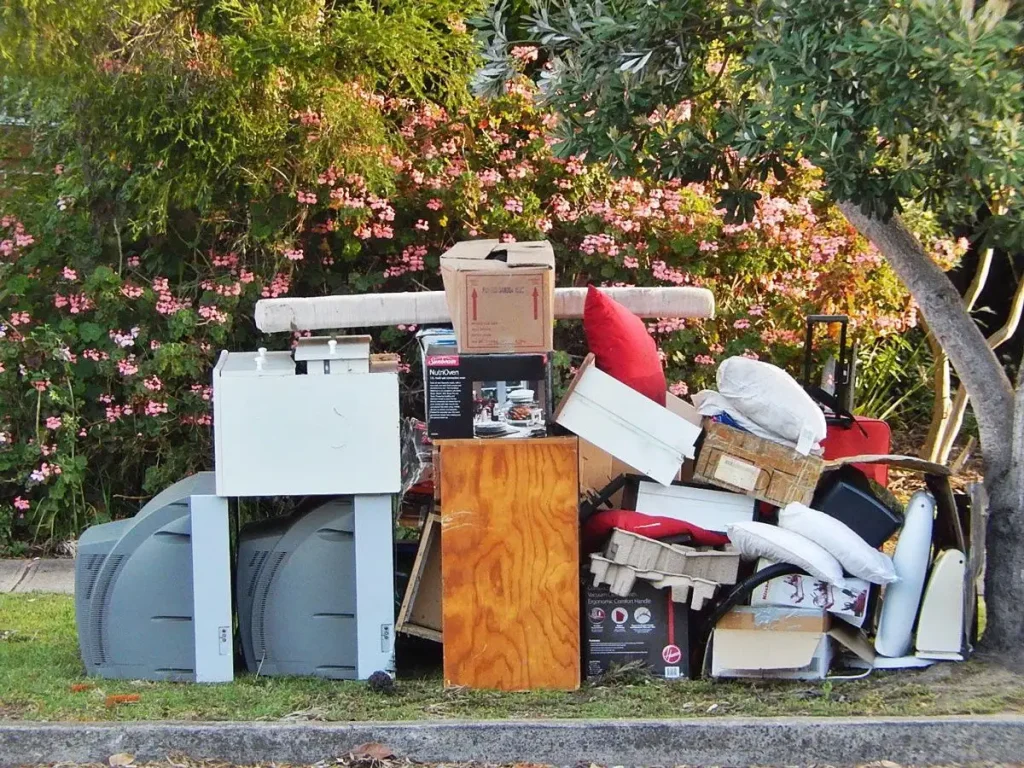
Many people want to clear several kinds of junk in one trip, and a single visit can often include furniture, appliances, electronics, garage clutter, and yard debris when the provider accepts those categories. The main limits are quantity, truck capacity, item size, access to the pickup area, and any restricted materials in the pile.
A realistic mixed load might include an old couch, a mattress, a broken washer, several boxes of garage clutter, and a stack of branches from the yard. If the company accepts each category and the items fit in the truck, the crew can load everything in one visit. If the load is larger than expected, the provider may recommend a bigger truck or a second trip, which is another reason to describe everything up front.
What to Ask Before Scheduling a Junk Removal Service
A short list of questions before booking can save you from surprises on pickup day. Describe unusual or oversized items in advance, and send photos or an itemized list if you can, since that helps the provider give an accurate estimate.
- Which materials do you accept, and which are restricted?
- Do you take large appliances such as refrigerators and freezers?
- How do you handle mattresses and box springs?
- Are electronics accepted, and how are they recycled?
- Do you remove renovation debris, and is there a quantity limit?
- Is yard waste included, and are there weight or volume limits?
- Are there access issues such as stairs, tight doors, or long carries?
- What preparation do you expect from me before the crew arrives?
How to Make Your Junk Removal Pickup More Efficient
Sort items into keep, donate, recycle, and remove piles before the crew arrives, so no one has to guess what should go. Clear pathways to the pickup area, and mark the items you want taken. Grouping items by location, such as everything from the garage in one spot and everything from the basement in another, makes the work faster and easier to price.
Two mistakes come up often. The first is mixing restricted materials with ordinary junk, which can slow down or stop a pickup. The second is assuming every company accepts every item, when policies really do vary. A quick confirmation call handles both.
Final Thoughts on What Junk Removal Services Can Take
Junk removal services can typically handle furniture, mattresses, appliances, electronics, yard debris, household clutter, garage items, and selected renovation waste. Specific junk services may also cover specific types of unwanted items, depending on the provider’s offerings. Explicit Junk Services may offer options for different types of unwanted items, depending on the service area and accepted materials. Because acceptance policies vary by provider, unusual, hazardous, oversized, or regulated items should always be confirmed before booking.
Before you schedule, prepare a clear list of what you want removed and ask about any restrictions. Photos and accurate descriptions help the provider plan the right crew and truck. When you are ready, contact a local junk removal provider such as Explicit Junk Services to confirm what can be taken and arrange your pickup.
FAQs About Items Junk Removal Companies Can Take
Junk removal policies can vary depending on the provider, item type, local disposal requirements, and special handling needs. These questions address additional concerns readers may have before arranging a pickup.
In most cases, yes. Broken chairs, cracked tables, and worn couches are common pickups. Condition mainly affects whether an item can be donated or must go to disposal. Wet, moldy, or infested pieces may be handled differently, so mention any damage when booking.
Small appliances such as microwaves, toasters, and vacuums are often accepted, particularly as part of a larger pickup. Some providers set minimums for very small loads, so ask whether small items can be added to a bigger job.
Yes, garages and basements are among the most common cleanout locations. Crews can remove boxes, shelving, old equipment, and general clutter, provided the items are not restricted. Clear access to stairs or doorways helps the job go smoothly.
Usually they can, as long as the items are accepted and fit in the truck. Truck capacity, item size, and access affect the load, so listing everything in advance helps the provider bring the right vehicle and crew.
Contact your local waste authority or a licensed facility that handles the material, such as hazardous waste or specialty recycling. Keep restricted items separate from other junk, and ask your junk removal provider whether they can point you to the right option.