

Unwanted furniture, old appliances, boxes, and years of clutter can take over useful space in your home. If you are unsure how residential junk removal works, the process is often easier than you may think. A professional crew can sort, lift, load, haul, recycle, donate, and clean the area after removal.
Knowing the process can also help you prepare your home. It can help you understand pricing, avoid delays, and choose the right service. You can also learn what items a company accepts before pickup day. Now let us look at each step of the residential junk removal process.
Key Insights That Make Home Junk Removal Easier
- Professional crews often handle lifting, loading, hauling, and basic cleanup.
- Pricing may depend on volume, item type, access, labor, and disposal needs.
- Accepted items vary by provider and may include limits on appliances and electronics.
- Usable items may go to donation or reuse programs.
- Recyclable materials may be separated before final disposal.
Home junk removal is different from regular household trash pickup. A city service may collect set types of waste on a fixed schedule. A junk removal crew can often handle bulky items and larger loads from inside your home.
Household junk removal may also cover single-item pickups or full home cleanouts. The service can include lifting items from rooms, garages, attics, or basements. A full cleanup service may also include basic cleanup after the items are removed.
What Residential Junk Removal Actually Includes
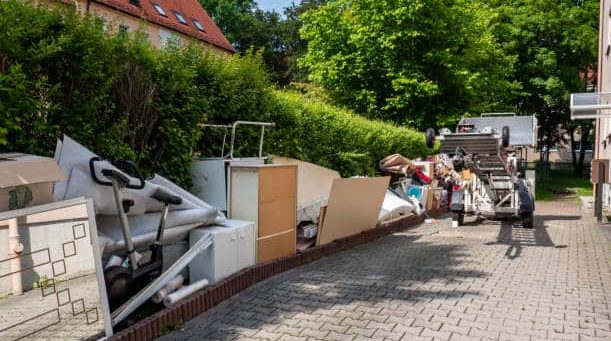
Residential hauling services can cover many types of unwanted household items. The crew may arrive at your home, review the items, confirm the work, and begin loading. They can handle many items that are too large or heavy for regular trash pickup. For homeowners managing a major cleanup, residential junk removal can provide a convenient way to clear unwanted belongings.
Residential waste removal can be useful for home moves, cleanouts, remodels, estate clearouts, or general decluttering. Some companies remove items from inside the home. Others may ask you to place items outside or at the curb.
The level of service depends on the provider. Ask whether the quote includes labor, loading, hauling, disposal, and cleanup. This helps you understand what you are paying for before work begins.
Which Household Items Can Crews Usually Remove
Many junk removal companies accept common furniture and household items. These may include sofas, chairs, tables, desks, beds, mattresses, shelves, and cabinets. Furniture removal can be helpful when large pieces no longer fit your needs.
Some providers also accept refrigerators, washers, dryers, ovens, and other appliances. Appliance disposal may require special handling due to size or material. Certain appliances may also have rules for safe recycling.
Other common items may include boxes, household clutter, yard debris, electronics, and storage items. Always check the accepted item list before booking. Tell the company about large or unusual items when you request service.
How Restricted Items Should Be Handled Safely
Not every material belongs in a standard junk removal load. Some waste needs special handling due to safety or local disposal rules. Never hide restricted materials inside boxes, bags, furniture, or other items.
- Hazardous chemicals
- Certain paints and solvents
- Oils and fuels
- Asbestos-containing materials
- Medical or biohazardous waste
- Other locally restricted materials
If you are unsure about an item, ask before pickup day. The company can tell you whether it accepts the material or suggest the right disposal option. This can help prevent delays and unsafe handling.
The Step-by-Step Path From Booking to Cleanup
Start With a Clear Inventory and Removal Request
Begin by listing the items you want removed. Check each room, storage area, garage, attic, and basement if they are part of the job. Tell the company about large items and access concerns. Some providers may also accept photos or an item list. These details can help them understand the size of the job.

Confirm the Appointment and Service Details
Before the appointment, confirm the pickup time and location. Ask which items are accepted and how the price will be calculated. You should also share details about stairs, gates, narrow halls, elevators, or other access limits. Clear details help the crew arrive ready for the work.
Review the Items With the Crew on Arrival
The crew may review the items before loading starts. This gives you a chance to confirm what is leaving your home. The provider may also confirm the final scope or price at this stage. If anything has changed, discuss it before loading begins.
Let the Crew Handle Heavy Lifting and Loading
Once the work is confirmed, the crew can begin lifting and loading. They may move heavy furniture, appliances, boxes, and other bulky items. Professional lifting can save homeowners time and effort. It can also reduce the need to move large items through tight spaces alone.
Separate Items for Reuse, Recycling, or Disposal
After collection, items may be sorted by their next destination. Reusable goods may go to donation services or reuse programs. Other materials may be taken to recycling centers. Items that cannot be reused or recycled may go to an approved disposal site. Practices vary by provider and local rules.
Complete the hauling and final area cleanup
After loading is complete, the crew removes the collected items from the property. They may also pick up loose debris left in the work area. A basic cleanup helps leave the space ready for its next use. Ask what cleanup is included before booking if this is important to you.
How to Prepare Your Home Before Junk Removal
Decide Which Belongings Are Leaving the Home
Start by making clear decisions about what needs to go. Keep unwanted household items separate from belongings that must remain.
Create Keep, Remove, Donate, and Recycle groups
Sort items into simple groups before the crew arrives. This makes junk sorting easier and helps prevent useful items from being removed by mistake.
Check Closets, Cabinets, Garages, and Storage Areas
Look through less-used areas of your home. Garages, attics, basements, closets, and cabinets can hold items you may have forgotten.
Identify Furniture and Appliances for Removal
Mark large furniture and appliances that need to go. This gives the crew a clear view of what belongs in the load.
Protect Items and Areas That Must Stay
Move valuables and fragile belongings away from the removal area. Keep items that should stay clearly separated from the removal pile.
Confirm Access to the Pickup Location
Check the driveway, gates, hallways, stairs, and other access points. Remove obstacles that could make lifting or loading harder.
Share Special Instructions Before Pickup Day
Tell the company about oversized items, several pickup areas, difficult access, or unusual materials. Early notice can make the hauling process smoother.
How Furniture and Appliances Are Handled During Removal
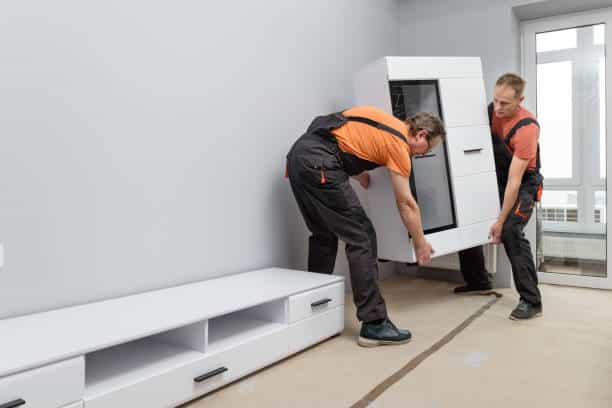
Furniture and appliances often need more care than small household items. Crews may need to assess their size, weight, shape, and path out of the home. For larger projects involving multiple properties or business-related items, commercial junk removal may be a suitable service option.
Furniture removal can involve moving sofas, beds, cabinets, tables, and other large pieces through tight spaces. Some items may need basic disassembly before they can be moved safely.
Appliance disposal may require added care because of weight and material type. Some appliances may also need special recycling or disposal. Tell the provider about these items when booking.
What Happens to Items After They Leave Your Home
The next step depends on the type and condition of each item. Reusable goods may be sent to donation services, reuse groups, or other organizations.
Materials such as metal, cardboard, and some plastics may go to recycling centers. This can reduce the amount of material sent to a landfill.
Some items cannot be reused or recycled. These may be sent to suitable disposal facilities. Ask the provider how it handles furniture disposal and other collected materials before booking.
Where Garage, Attic, and Basement Cleanouts Fit
A garage cleanout can involve years of stored boxes, tools, furniture, yard items, and other clutter. These spaces may also have narrow paths or heavy objects that make removal harder. When a property contains extensive belongings left after a family transition, estate cleanouts can help organize and remove unwanted items.
An attic cleanout can require extra care around stairs, low spaces, and fragile areas. Crews may need to carry items through tight access points.
Basement junk removal can bring similar challenges. Heavy items, stairs, moisture, and limited access can affect the work. A room-by-room plan can make larger cleanouts easier to manage.
What Determines the Cost of Residential Junk Removal
Residential junk removal pricing can vary from one job to another. One main factor is volume or the amount of truck space your items use.
The number and type of items also matter. Heavy furniture and oversized materials may require more labor. Difficult access can also increase the time needed to complete the job.
Special disposal or recycling needs may affect the final price. Distance and local service conditions can also play a role. Some providers may charge extra fees for certain items or services.
When requesting a quote, describe the job as clearly as possible. Share photos, item lists, access details, and the number of rooms involved. Ask if labor, hauling, disposal, and cleanup are included.
How to Choose a Residential Junk Removal Company
Start by checking the company’s reputation and service history. Reviews can help you understand how past customers felt about communication, timing, and service quality. For properties requiring extensive clearing before sale, renovation, or a change in use, commercial property cleanout services may offer a more suitable approach.
Ask whether the company is insured and which materials it accepts. You should also ask how pricing works before agreeing to service.
A low quote is not always the best value. A reliable provider may offer clear pricing, proper handling, good communication, and responsible disposal. Look for a company that explains the full service before pickup.
Common Mistakes That Can Delay Junk Removal
- Booking before confirming which materials are accepted
- Forgetting items stored in secondary areas
- Mixing removal items with belongings that should stay
- Failing to mention oversized or unusually heavy itemsHow to Choose a Residential Junk Removal Company
- Blocking the crew’s access route
- Assuming every appliance or electronic item is accepted
- Waiting until pickup day to discuss special requirements
- Choosing a provider without checking disposal practices
- Not asking how pricing is calculated
- Leaving important valuables mixed into removal piles
For homes with severe clutter, hoarder cleanouts may require additional planning, careful sorting, and appropriate handling before regular removal can be completed.
When Same-Day Removal Makes Sense for Homeowners
Same-day home junk removal can help when time is limited. It may be useful before a move, during a sudden cleanout, or when a property needs to be cleared quickly.
Homeowners may also need urgent service after receiving a tight move-out deadline. A large amount of unwanted furniture or household waste can also create a sudden need for help.
Availability depends on the provider and service area. Ask about same-day openings when you contact a company. If the job is not urgent, scheduling ahead can give you more options.
How Regular Removal Supports Long-Term Home Decluttering
Home decluttering becomes easier when unwanted items do not have time to build up. A simple habit of sorting items can help keep storage areas under control.
You can review closets, garages, and storage spaces at set times during the year. Items that no longer serve a purpose can be separated for donation, recycling, or removal.
Regular household junk removal can also help keep useful areas open. Small cleanouts may be easier than waiting until years of clutter have built up. A planned home cleanup service can support a more useful living space.
Final Takeaways for a Smoother Home Cleanup
Understanding how residential junk removal works makes the process easier to plan. You can sort your items, check access, confirm accepted materials, and ask about pricing before pickup. Explicit Junk Services can help make the process more organized and efficient, allowing the crew to complete the work with fewer delays.
You do not always need to lift heavy items or manage the hauling yourself. A reliable provider can handle the removal process from loading through disposal. Before booking, confirm the service details and ask how collected items are handled.
When a cleanup becomes too large, heavy, or time-consuming to manage alone, professional home junk removal can provide practical help. Choose a provider that offers clear pricing, safe handling, and responsible disposal.
Frequently Asked Questions About Home Junk Removal
A residential junk removal appointment can vary depending on the size and type of the job.
These questions address common concerns about preparation, pricing, timing, and accepted items. Use them to help homeowners feel more confident before scheduling a pickup.
Separate unwanted items from belongings you want to keep. Mark furniture, appliances, boxes, and other items clearly before the crew arrives.
Pricing often depends on load size, item type, labor, access, distance, and disposal needs. Ask for a clear quote before scheduling service.
Yes. Many providers remove furniture and appliances together. Always confirm accepted items first, especially large appliances requiring special handling or recycling.
Removal timing depends on provider availability, job size, and location. Some companies offer same-day service, while others require advance scheduling.